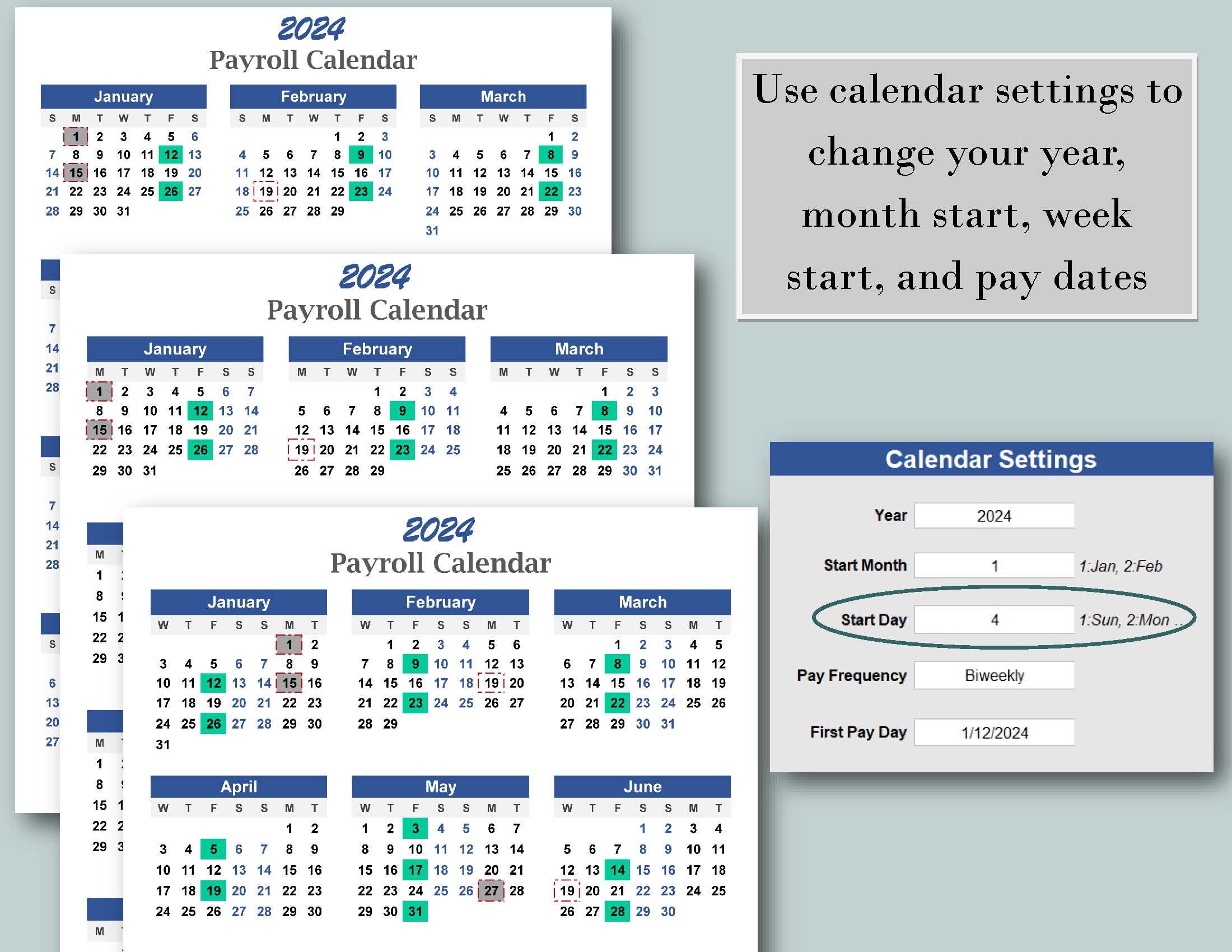
Navigating the New York City Department of Education (NYC DOE) payroll schedule requires understanding distinct payment structures for teachers, administrative staff, and per session workers. Unlike standard corporate bi-weekly models, the NYC DOE operates on semimonthly cycles for pedagogical staff, paying on the 1st and 16th of each month. Grasping how these pay periods, lags, and check dates align helps you track earnings accurately without guessing when funds hit your account.
The standard pedagogical schedule divides annual compensation into 24 payments. Ten service periods run from September through June, alongside four vacation periods covering July and August. When the 1st or 16th falls on a weekend or a legal holiday, processing adjustments ensure payments disburse on the closest preceding business day. Reviewing official guidelines via the NYC Office of Payroll Administration keeps your financial planning aligned with city processing cycles.
Core Payroll Structures by Employee Group
Different roles within the NYC public school system follow distinct disbursement rules. Knowing your specific category prevents confusion regarding pay dates and lag periods.
- Pedagogical Employees (Teachers and Supervisors): Paid semimonthly on the 1st and 16th of the month. There is no payroll lag for regular annual salary. For example, the check issued on June 16 covers work performed from June 1 through June 15. Annual salary divides directly by 24.
- Hourly Supportive Employees: Paid on a 14-day cycle running Wednesday through Tuesday. Payment generates on a Thursday, exactly 16 days after the payroll period end date.
- Per Diem and Substitute Staff: Paid on a positive basis for actual days worked, which introduces a one-period payroll lag.
- Per Session Workers: Covers services rendered outside regular school hours or during summer months. Hourly contractual rates process monthly, with checks mailed directly to your home address on a semimonthly schedule.
Understanding Payroll Lags and Date Adjustments
A frequent point of confusion for new hires is the payroll lag. While regular pedagogical salaries disburse semimonthly without a lag, certain hourly assignments and extra-curricular duties require a processing buffer.
When you work overtime, shift differentials, or holiday hours, those exceptions run on a two-week lag. This means compensation for extra hours worked during your final week of a cycle appears on the subsequent paycheck.
Weekend and holiday shifts in the calendar also require attention. If a scheduled 1st or 16th payday lands on a Saturday or Sunday, the NYC payroll system triggers direct deposits on the preceding Friday. Monitoring the UFT Salary and Pay Information page provides clarity on union-negotiated adjustments.
Managing Deductions, Taxes, and Direct Deposit
Your pay stub reflects several mandatory and voluntary deductions that impact your net take-home pay. Reviewing these items through the employee portal ensures accuracy.
- Tax Withholdings: Federal, New York State, and New York City personal income taxes are automatically withheld based on the W-4 and IT-2104 forms you submit upon hiring.
- Pension Contributions: Most pedagogical employees contribute to the Teachers' Retirement System (TRS) of the City of New York. Contribution percentages vary depending on your tier and election choices.
- Health Benefits: Deductions for medical, dental, and vision coverage depend on the Municipal Labor Committee health plan selections you make.
- Direct Deposit Setup: Setting up direct deposit through the NYCPS Employee Self-Service Portal prevents mailing delays and ensures funds arrive on the exact disbursement date.
Common Payroll Discrepancies and How to Fix Them
Errors can occasionally happen during school system transitions, title changes, or salary step movements. Catching them early saves time.
- Missing Differentials: If you completed graduate credits or a master's degree, your salary won't reflect the bump until your salary step application clears. Applications must be submitted within six months of earning credits or starting employment.
- Incorrect Per Session Hours: Always keep personal logs of extra-curricular hours worked. If a per session check falls short, cross-reference your timesheet with your school's administrative secretary before filing a formal inquiry.
- Retroactive Pay Delays: Contract settlements negotiated by unions often involve retroactive pay calculations. These process through separate, dedicated payroll runs rather than regular checks, meaning they can take several weeks to compute across thousands of active and retired staff.
Frequently Asked Questions
How do I check my pay stub details online?
You can view detailed earnings, tax withholdings, and year-to-date totals by logging into the New York City Automated Personnel System (NYCAPS) Employee Self-Service (ESS) portal using your city credentials.
Why did my semimonthly check amount fluctuate slightly?
While regular annual salaries divide evenly into 24 payments, net pay can change due to adjustments in pre-tax deductions, union dues, health insurance rate changes, or taxable fringe benefits.
What should I do if my direct deposit does not arrive on payday?
First, verify that your bank isn't holding the funds due to a banking holiday. If the deposit is missing past standard processing hours, contact your school's payroll secretary immediately to check if an administrative return or exception occurred.
How are summer months paid for regular teachers?
For teachers working on a per annum basis, your annual salary spreads across 24 equal semimonthly payments, meaning you continue to receive regular checks on the 1st and 16th throughout July and August without interruption.



