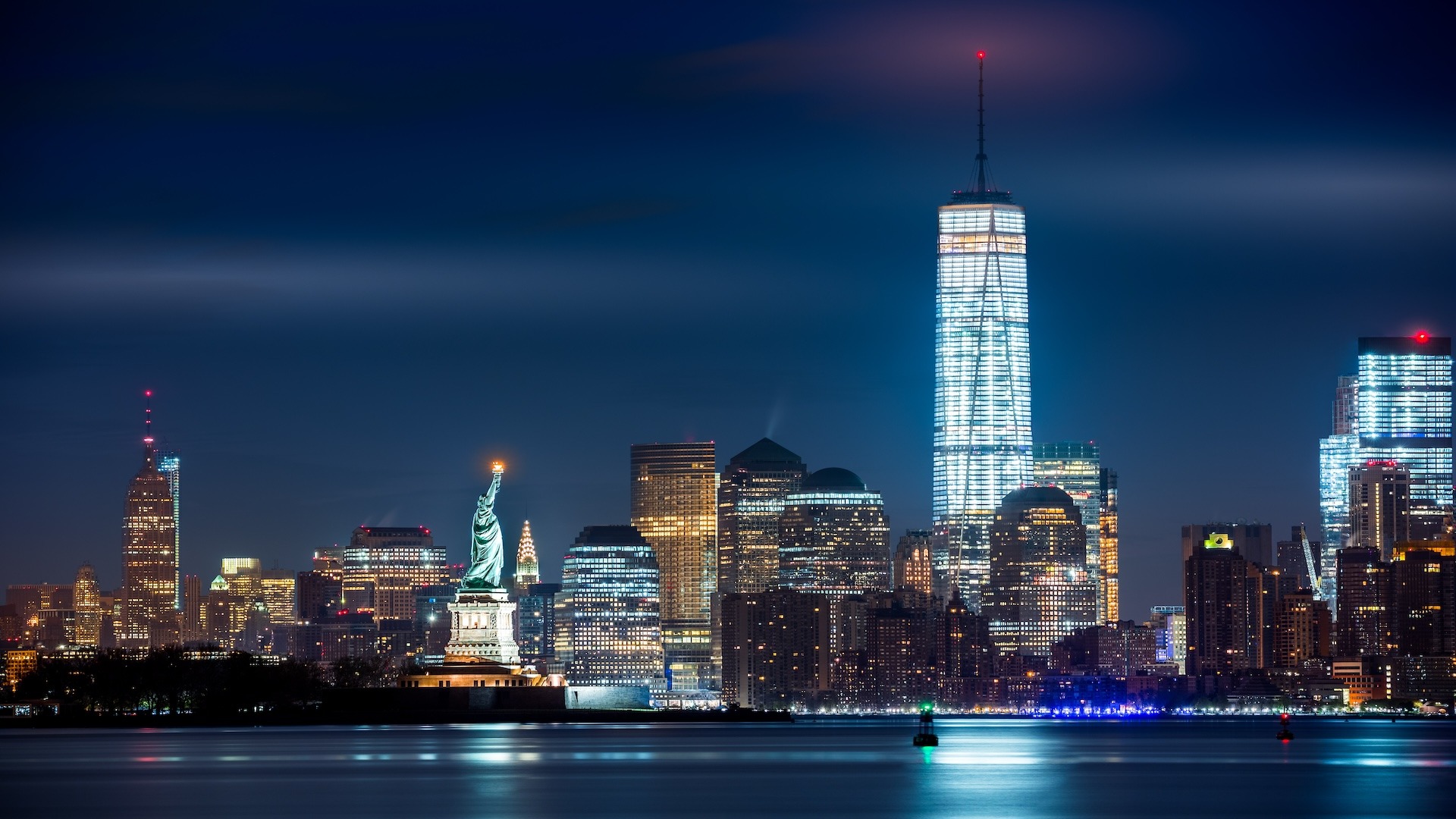
Zip code 10018 covers the beating heart of Midtown Manhattan, stretching across the Garment District and parts of Hell's Kitchen. This dense urban corridor isn't just a commercial transit hub; it's a rapidly evolving residential micro-market where luxury high-rises sit side-by-side with historic loft conversions. If you're tracking how prime Manhattan zip codes shift under the weight of post-pandemic hybrid work and commercial-to-residential conversions, 10018 offers a fascinating case study in high-density urban adaptation.
Understanding this market requires looking past the towering office facades. Real estate here trades at a premium because residents are buying raw proximity: steps from Bryant Park, major subway arteries, and global corporate headquarters. Yet, navigating the 10018 housing inventory demands an understanding of unique zoning laws, shifting commercial conversions, and the distinct lifestyle tradeoffs of living right in the center of Manhattan.
The Anatomy of 10018 Real Estate
The real estate landscape within 10018 is heavily defined by commercial legacy blending into modern residential luxury. Historically dominated by manufacturing, wholesale fashion showrooms, and corporate offices, the district has seen a steady wave of residential conversions and ground-up luxury developments over the last decade.
Median home values in the area hover around $1.4 million, with price points frequently exceeding $1,700 per square foot depending on the building class and proximity to open green spaces like Bryant Park. Inventory largely consists of cooperative and condominium apartments housed in pre-war loft buildings or sleek, glass-clad contemporary towers. Buyers here generally fall into two camps: finance, tech, and legal professionals seeking a hyper-convenient primary residence, and domestic or international investors looking for strong rental yields driven by constant corporate foot traffic.
Rental demand in 10018 remains intensely competitive. Average rents easily surpass citywide benchmarks, routinely staying above $5,000 per month for standard one- and two-bedroom layouts. Because the local population leans heavily toward single adults and young professionals rather than large families, studio and one-bedroom apartments move with incredible speed. Landlords benefit from a steady influx of transient corporate talent who prioritize walkability to offices over square footage.
Urban Life and Neighborhood Dynamics
Living in 10018 means embracing a fast-paced environment where the line between work and leisure blurs completely. Unlike quieter residential neighborhoods on the Upper West Side or Brooklyn brownstone belts, Midtown operates at a relentless cadence.
Walkability and Transit Supremacy
The primary lifestyle perk of 10018 is unmatched connectivity. Residents can access major transit hubs like Penn Station and Times Square-42nd Street within minutes, alongside a dense web of subway lines including the A, C, E, 1, 2, 3, N, Q, R, and W trains. For most locals, daily commuting is measured in steps rather than subway transfers. Over 60% of residents walk to work or rely entirely on public transit, cutting out personal vehicle ownership almost entirely.
Dining, Culture, and Green Space
While Midtown is often stereotyped as a concrete jungle catering exclusively to tourists, 10018 hides a diverse culinary scene. From authentic Korean barbecue along the western edges bordering Hell's Kitchen to high-end dining rooms tucked inside boutique hotels, the food culture caters to discerning urbanites. Residents also enjoy immediate proximity to Bryant Park, which acts as the de facto backyard for the neighborhood, hosting outdoor film screenings, ice skating, and open-air reading rooms year-round.
The Shift Toward Conversions and Modernization
One of the most significant trends impacting 10018 real estate is the adaptive reuse of aging office and commercial stock. As hybrid work models permanently alter corporate office space requirements across New York City, developers have turned their attention toward converting underutilized commercial towers into residential units.
City and state leaders have introduced zoning incentives to accelerate these conversions, and 10018 sits squarely in the crosshairs of this movement. Transforming old garment-industry manufacturing lofts and mid-century office buildings into modern luxury apartments injects fresh housing inventory into a constrained market. These new developments often feature high-end amenities like rooftop terraces, private fitness centers, and co-working spaces designed specifically for remote and hybrid professionals who live where they work.
These conversions do more than just add inventory; they fundamentally alter the neighborhood's demographic makeup. What was once a ghost town after 7:00 PM is gradually transforming into a 24/7 residential community complete with neighborhood grocery stores, dog parks, and localized community services.
Common Real Estate Mistakes in 10018
Buyers and renters entering the 10018 market often stumble into traps unique to Midtown Manhattan. Avoiding these pitfalls can save thousands of dollars and significant frustration.
- Underestimating Commercial Noise: Properties directly facing major avenues like Broadway, Eighth Avenue, or major cross-town streets experience intense traffic noise and sirens 24 hours a day. Always check window soundproofing and inspect the apartment during peak traffic hours.
- Ignoring Building Rules: Many co-op boards in the area have strict subletting restrictions or outright bans on pied-à-terre ownership. If you intend to use the property part-time or rent it out, ensure the building bylaws explicitly permit it before making an offer.
- Overlooking Assessment Fees: Older converted loft buildings often require major capital improvements to facades, elevators, or local law compliance. Always review the building’s recent financial statements and upcoming capital assessments.
- Failing to Account for Tourist Foot Traffic: Living right next to major attractions means dealing with heavy weekend and holiday crowds. Properties situated on quieter side streets (closer to Tenth Avenue or away from Times Square perimeters) offer a much more peaceful residential experience.
For deeper insights into city zoning laws and property regulations, you can review guidelines provided by the NYC Department of City Planning. To track broader market valuations and historical data shifts across Manhattan, consult resources like The Real Deal.
Frequently Asked Questions
What neighborhoods are included in zip code 10018?
Zip code 10018 primarily encompasses the Garment District and portions of Hell's Kitchen and Midtown West in Manhattan. It runs roughly from West 30th Street up to West 41st Street, spanning between Fifth Avenue and the Hudson River waterfront areas on its western fringe.
Is 10018 a good area for real estate investment?
Yes, due to its central location and perpetual demand from corporate tenants, medical professionals, and students. Rental yields remain relatively stable, though high entry prices mean investors must carefully calculate property taxes, common charges, or co-op maintenance fees.
What types of homes are most common in this zip code?
The housing stock is heavily weighted toward high-rise condominium apartments, cooperative units in pre-war buildings, and newly converted residential lofts. Single-family townhouses are virtually nonexistent in this specific micro-market.
How does the local demographic skew regarding families versus singles?
Demographic data indicates that 10018 is heavily populated by single professionals, young adults, and couples without children. Because the housing stock consists largely of smaller apartments and the neighborhood atmosphere is intensely commercial, the percentage of households with school-aged children is significantly lower than the national average.


