A nutmeg in soccer is the act of kicking, passing, or rolling the ball through an opponent's legs and collecting it on the other side. It is football's ultimate psychological weapon, combining technical precision with an open display of disrespect that delights fans and enrages defenders. While the term sounds whimsical, its execution requires split-second timing, impeccable spatial awareness, and absolute confidence under pressure.
Originating on the cobblestone streets of 19th-century Britain, the move evolved from a playground prank into a celebrated art form mastered by the world's most creative playmakers. Whether executed in a tight Premier League penalty box or during a high-stakes World Cup match, a clean nutmeg shifts the balance of a game in a single instant, humiliating the marker and breaking defensive structures wide open.
The Etymology and Origins of the Nutmeg
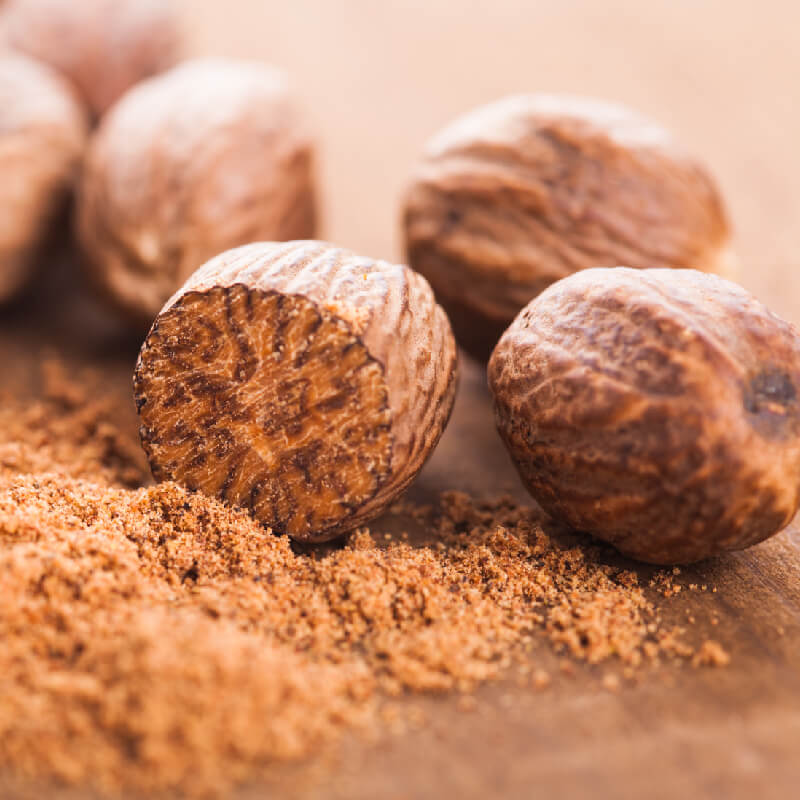
The word nutmeg has a surprisingly colorful linguistic history that dates back to the spice trade between Britain and the Dutch East Indies during the nineteenth century. Cargo ships transporting nutmeg seeds from tropical ports to European markets were expensive and vulnerable. Because actual nutmeg was a rare and valuable commodity, dishonest merchants occasionally mixed wooden replica seeds into the bags to pad their profits and deceive buyers.
Victorian slang quickly adopted the term "nutmeged" to describe someone who had been tricked, conned, or fooled. British schoolchildren and street footballers applied this phrase to the humiliation of having an opponent pass the ball through their legs, a trick that left the defender looking foolish and tricked by their own defensive stance. By the early twentieth century, the term cemented its place in football lexicon, outlasting its mercantile origins to become a permanent part of the sport's global vocabulary.
The earliest recorded references to the skill in organized matches date back to the late 1800s, though street football and traditional British playground games like "kerby" or "panna" refined the mechanic long before professional leagues codified tactical play. In South America, the equivalent term is caño (pipe), while in Brazil it is known as a lençol or caneta (pen), reflecting how deeply embedded the technique is across diverse footballing cultures.
Anatomy of the Move: How to Execute a Nutmeg
Executing a successful nutmeg demands a mastery of deception, body shape, and timing. Defenders rarely stand completely still with their legs wide apart; instead, they maintain a side-on stance designed to close down passing lanes and block direct pathways to the goal. Beating this defensive posture requires creating a momentary opening through misdirection.
The most common setup is the drag-and-push technique. A player approaches the defender at a controlled pace, shifting their weight to one side to convince the marker to commit their center of gravity and plant their front foot. The attacker then uses the instep or sole of the opposite foot to push the ball sharply between the defender's trailing and leading legs.
Another effective variation is the standing-still or stationary nutmeg, frequently deployed by wingers near the corner flag. By shielding the ball with their body and inviting the defender to lunge for a tackle, the attacker waits for the defender's legs to separate before poking the ball through the gap. Timing is narrow; if the ball is released a fraction too early, the defender intercepts it. If released too late, the defender's legs close and the ball rebounds off their shins.
The Psychological Impact on Defenders
Few moments in sport inflict the psychological damage of a clean nutmeg. For a defender, closing down space and stopping forward momentum is a matter of professional pride. Allowing the ball to travel between one's legs represents a complete systemic failure of body positioning and concentration.
Crowds respond with an instantaneous roar that amplifies the humiliation. This visceral reaction alters the dynamic of the match. Strikers and wingers who successfully nutmeg their markers often find that those defenders become overly cautious for the rest of the game, standing off and giving them extra yards of space out of fear of being embarrassed a second time.
Conversely, defenders who fall victim to the trick must develop thick skin. Professional training grounds are notoriously unforgiving, and getting "megged" during a five-a-side drill guarantees immediate teasing from teammates. Many elite defenders use these moments as fuel, tightening their defensive discipline to ensure it never happens in a competitive fixture.
Historical Milestones and Panna Culture
While traditional eleven-a-side football treats the nutmeg as an opportunistic flash of brilliance, modern street football and small-sided formats have elevated it into the central objective of the game. Panna, a Surinamese-Dutch street football discipline popularized in the urban cages of Amsterdam and Rotterdam, awards an immediate victory to any player who nutmegs an opponent and retains possession of the ball.
This underground culture heavily influenced the modern technical landscape. Icons of the game like Ronaldinho, Zinedine Zidane, and Juan Román Riquelme refined their close-control skills in unstructured environments before translating them to the world's biggest stages. The growth of freestyle football and viral video platforms in the early 2000s further accelerated the global appreciation for the skill, turning highlight reels of nutmegs into global internet phenomena.
In elite competitions like the UEFA Champions League, referees and statisticians now occasionally track nutmegs as official metrics of creativity and flair, acknowledging their tactical value in breaking defensive blocks.
Masters of the Art: Players Who Defined the Skill
Certain players transcended mere occasional usage of the trick, turning the nutmeg into their signature trademark.
Luis Suárez
The Uruguayan striker possessed a ruthless, opportunistic streak that made him one of the most prolific nutmeggers of the modern era. Suárez didn't look for flashy moments; he utilized the trick in congested penalty boxes where defenders expected a shot. By catching goalkeepers and center-backs mid-stride, he created fractional shooting angles from seemingly dead positions.
Juan Román Riquelme
The legendary Argentine playmaker played at his own unhurried pace, using exquisite spatial awareness to invite pressure. As opponents rushed in to close him down, Riquelme waited until the absolute last millisecond before sliding the ball between their legs with nonchalant elegance, dictating the tempo of entire matches through sheer technical supremacy.
Neymar Jr.
As a global ambassador of Brazilian flair, Neymar treats the nutmeg as both a functional tool and a form of performance art. His quick stepovers and rapid acceleration force defenders to lunge, creating the exact gap he needs to slip the ball past bewildered opponents down the left wing.
Lionel Messi
While rarely flashy for its own sake, Messi's low center of gravity and relentless close control result in countless accidental and intentional nutmegs. As defenders frantically try to block his path, Messi threads the ball through microscopic gaps while maintaining full sprinting speed, punishing anyone who dares commit to a standing tackle.
Common Mistakes and How to Avoid Them
Players attempting to incorporate the nutmeg into their tactical repertoire often fall into predictable traps that undermine their effectiveness.
- Telegraphing the intention: Staring directly at the defender's legs alerts them to the incoming trick, allowing them to close their stance before the ball is kicked. Keep your eyes up scanning the broader pitch to maintain the illusion of a standard pass or shot.
- Overcomplicating the setup: Attempting excessive stepovers or elaborate skill moves before executing the trick wastes valuable seconds and gives the defense time to organize backup cover. Simplicity and speed are far more effective than theatrical flourishes.
- Failing to follow up: Poking the ball through an opponent's legs is only half the battle. If you don't accelerate past the defender immediately, they can simply pivot and recover possession. Always commit your body weight forward into the space behind the defender.
- Forcing the situation in dangerous areas: Trying audacious tricks in your own defensive third carries catastrophic risks. If a nutmeg fails near your own penalty box, it leaves the goal completely exposed to a counter-attack. Save the move for the final third where the reward outweighs the risk.
Frequently Asked Questions
Is a nutmeg considered unsportsmanlike in professional soccer?
No, it is a legal and celebrated skill within the laws of the game. While opponents may feel embarrassed, referees view it as a standard dribbling technique rather than taunting or unsporting behavior.
Does an intentional nutmeg count for anything special in official statistics?
Official match statistics do not award extra goals or points for a nutmeg, though advanced analytics providers and media outlets frequently track successful nutmegs to highlight individual creativity and player dominance.
How do defenders prevent themselves from getting nutmegged?
Defenders avoid getting nutmegged by adopting a side-on stance, bending their knees to lower their center of gravity, and keeping their legs relatively close together while jockeying attackers rather than diving in for standing tackles.
Can goalkeepers be nutmegged?
Yes, goalkeepers are frequently nutmegged when attackers find themselves in one-on-one situations inside the penalty box. Strikers often wait for the goalkeeper to drop low or spread their legs to cover the corners, then slide the ball directly between their feet.



