Verifying a nursing credential doesn't have to slow down your hiring process or create compliance bottlenecks. Whether you're a healthcare facility manager onboarding new clinical staff or a nurse moving to a new jurisdiction, understanding primary source verification protects patient safety and keeps operations running smoothly.
Primary source verification means obtaining credential data directly from the issuing regulatory body or an authorized national database rather than relying on copies provided by the candidate. Mistakes during this process can lead to compliance violations, delayed start dates, and legal exposure for healthcare facilities.
The Core Mechanisms of Nursing License Verification
Healthcare employers must rely on verified, up-to-date credential data to confirm that a candidate's license is active and unencumbered. Two primary systems handle this data across the United States: national aggregate databases and state-specific regulatory boards.
The National Council of State Boards of Nursing (NCSBN) operates Nursys, the central repository for nurse licensure data. Most state boards feed real-time licensure, renewal, and disciplinary data into this system.
- Nursys QuickConfirm: A free online tool for employers and recruiters to verify multi-state and single-state licenses instantly.
- Nursys e-Notify: A subscription service that alerts employers automatically whenever a nurse's license status changes, renews, or incurs disciplinary action.
- State Board Portals: Individual state websites that provide primary source verification directly from local regulatory databases.
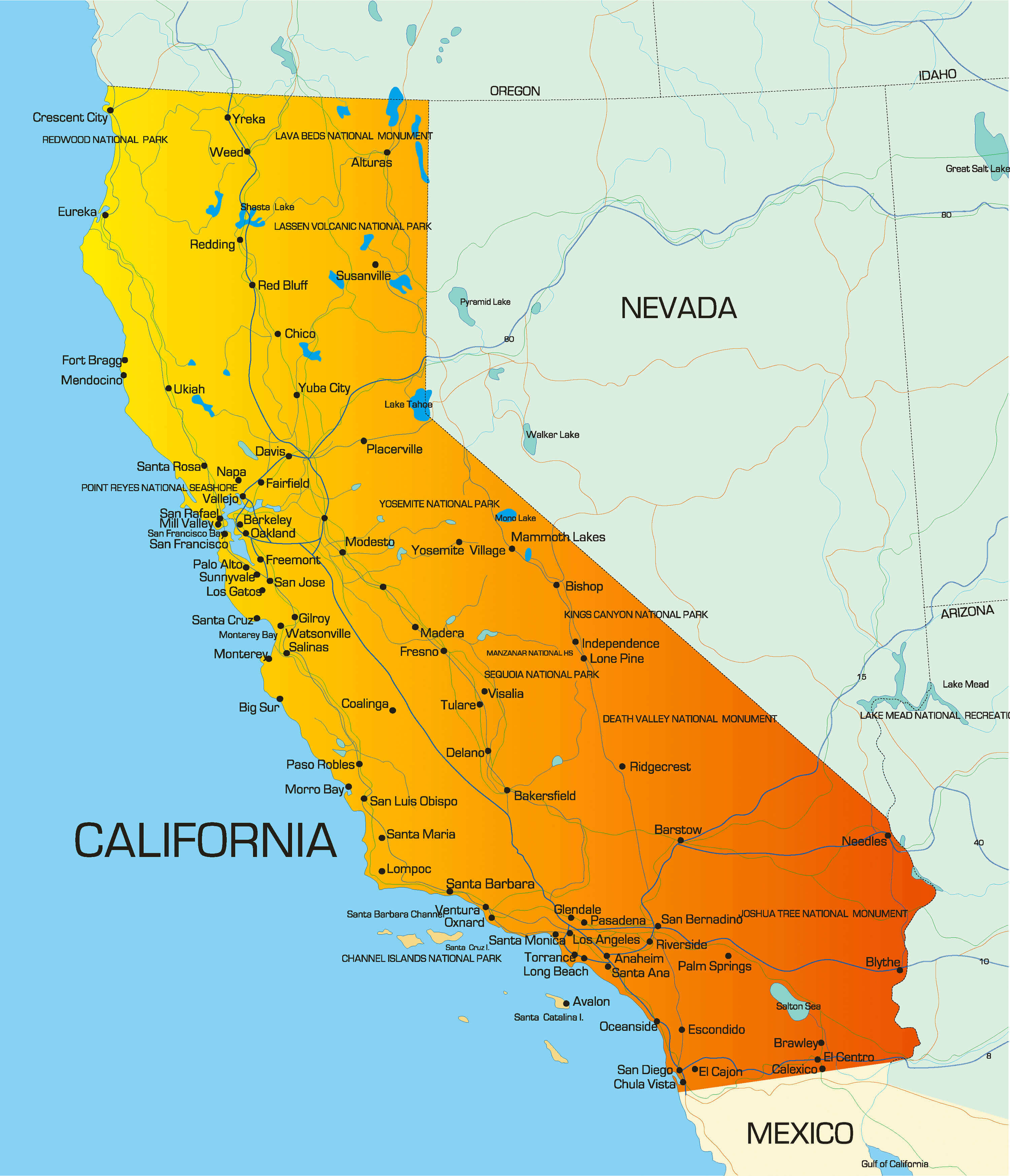
For example, checking a nurse licensed in California requires navigating specific state consumer affairs portals, as California registers its nurses through the Department of Consumer Affairs database. Knowing which portal to check saves hours of administrative friction.
Step-by-Step Guide for Employers
Onboarding clinical staff requires a strict, repeatable verification workflow. Skipping steps leaves your facility vulnerable to regulatory penalties and malpractice liability.
- Collect Core Candidate Data: Gather the nurse's full legal name, exact license number, license type (RN, LPN/LVN, APRN), and the issuing state before starting the check.
- Execute Primary Source Lookup: Visit Nursys or the specific state board of nursing portal to search the candidate's credentials.
- Review Disciplinary History: Check for public notifications, past suspensions, probation terms, or expired credentials. Do not rely on paper cards or PDF printouts supplied by applicants.
- Save Verification Artifacts: Export and archive the official digital verification record with a timestamp for your permanent compliance files.
- Establish Continuous Monitoring: Set up automated tracking through e-Notify so your human resources department receives instant alerts if a credential lapses.
Step-by-Step Guide for Nurses
Nurses moving across state lines or applying for multistate privileges through the Nurse Licensure Compact (NLC) must verify and transfer their credentials properly.
- Identify Licensure Pathway: Determine whether you need license endorsement in a non-compact state or if your primary state of residence qualifies for compact multistate privileges.
- Initiate Verification Request: Log into Nursys to request formal verification of your license for endorsement purposes.
- Pay Verification Fees: Cover the standard processing fee (typically $30 per license type per receiving board) to transmit your verification record electronically.
- Submit State Application: Complete the application requirements for the new state board of nursing, including background checks and fingerprinting if mandated.
- Monitor Status Updates: Use Nursys e-Notify to track your license status and ensure your renewal dates stay synchronized.
Common Compliance Mistakes to Avoid
Even experienced administrative teams run into avoidable pitfalls during license verification. Watch out for these operational traps:
- Accepting Secondary Documents: Never accept a photocopy, scanned PDF, or expired physical wallet card as proof of active licensure. Always pull data straight from the primary source.
- Ignoring Multistate Limitations: Misunderstanding compact state rules can result in illegal practice. Make sure a nurse's primary state of residence matches their declared compact privilege.
- Failing to Track Expiration Dates: Relying on annual manual checks creates dangerous windows where lapsed licenses go unnoticed. Automated tracking eliminates this risk.
- Overlooking Disciplinary Flags: A license might look active on the surface while carrying hidden probationary restrictions or pending board investigations. Read the full status report.
Frequently Asked Questions
What is the difference between Nursys and state board verification?
Nursys is a national database aggregating data from participating boards of nursing for quick multi-state lookups. Some states maintain independent verification portals that must be checked directly if they don't fully participate in real-time national feeds.
How much does nurse license verification cost?
Checking a license via Nursys QuickConfirm is free for employers. However, nurses requesting official verification to endorse their license into a new state typically pay a $30 fee per board.
Can an employer get automated alerts if a nurse's license changes?
Yes. Employers can enroll in Nursys e-Notify to receive automated, real-time updates regarding any status changes, renewals, or disciplinary actions on their employed nurses.
What should I do if a license lookup shows a discrepancy?
If a license number doesn't match or shows an unexpected status, contact the issuing state board of nursing immediately to resolve data entry errors or clarify pending administrative actions.


