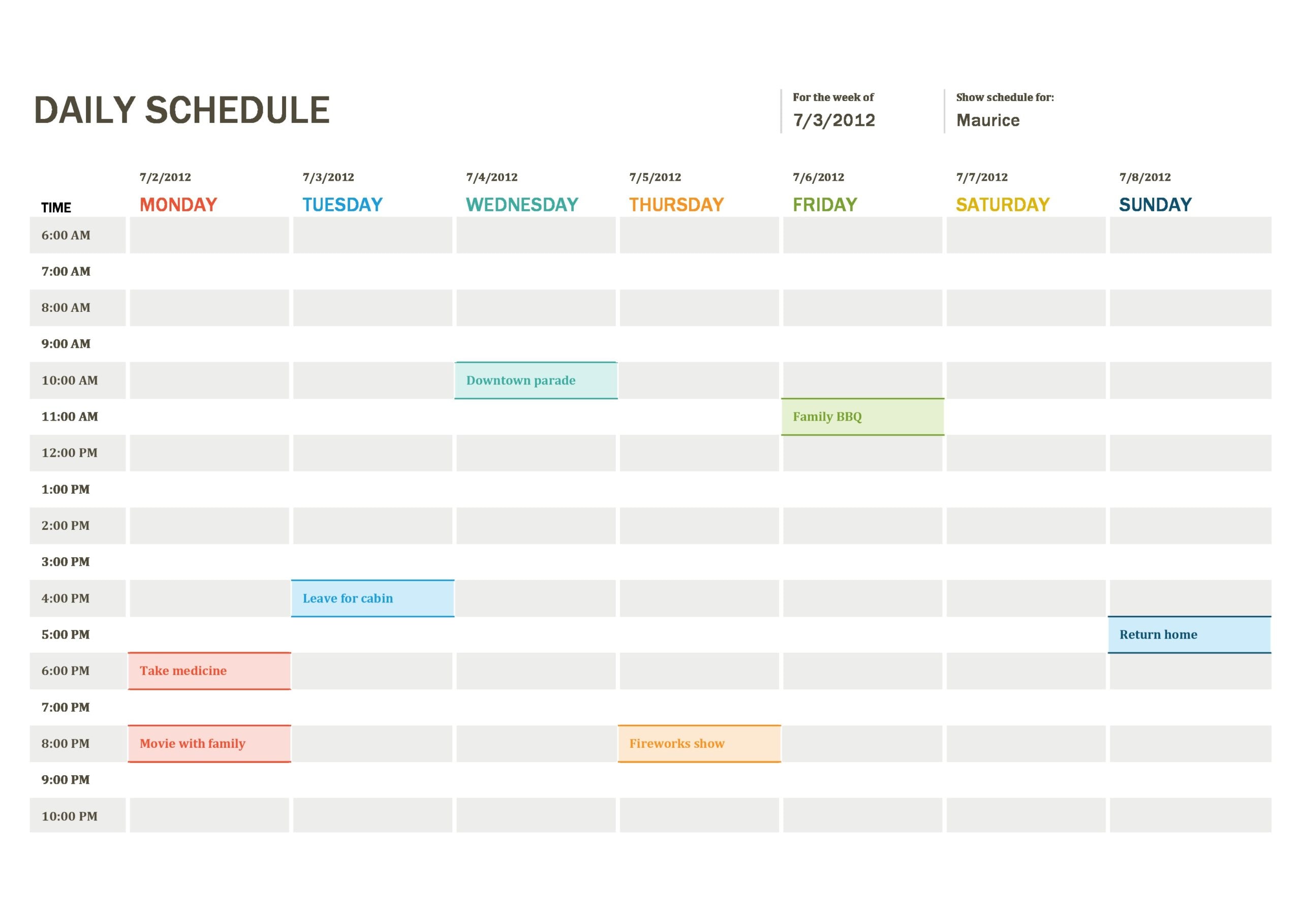
Effective nurse staffing and shift scheduling balances patient safety, labor costs, and employee well-being. When healthcare operations fail to align these variables, facilities face chronic burnout, costly overtime, and compromised care quality. Mastering this operational discipline requires moving away from reactive spreadsheets toward structured, data-driven frameworks.
Balancing clinical demand with staff availability dictates modern operational success. Healthcare organizations operate 24 hours a day, 365 days a year, creating constant friction between variable patient volumes and fixed staffing rosters. Solving this puzzle demands clear methodologies that account for labor laws, skill mix requirements, and individual preferences without sacrificing organizational readiness.
Understanding Core Staffing Models
Operational stability starts with choosing the right structural framework for your department. Different units require distinct approaches to cover shifts reliably.
- Fixed Shift Scheduling: Employees work the same hours every week. This model provides high predictability for staff personal lives, but it struggles to adapt when patient census fluctuates unpredictably.
- Cyclical Scheduling: Teams rotate through a pre-determined pattern of shifts over a set number of weeks. Once the cycle ends, it repeats. This guarantees fairness in distributing weekends and night shifts.
- Self-Scheduling: Staff members select their shifts within specific guidelines and credentialing rules. This approach heavily boosts morale and retention, though it requires vigilant oversight to ensure every shift meets minimum skill requirements.
Calculating True Staffing Demand
You can't build an effective schedule without knowing your baseline labor requirements. Guesswork leads directly to understaffed floors or bloated budgets.
Calculate your target staffing levels using hours per patient day (HPPD) metrics. Divide total nursing care hours provided in a 24-hour period by the total patient census. This metric exposes exact labor needs across different acuity levels.
Account for non-productive time when building your master grid. Vacations, sick leave, mandatory training, and meal breaks consume roughly fifteen to twenty percent of paid employee hours. If you staff strictly for the bedside count without factoring in relief factor percentages, you'll instantly trigger mandatory overtime expenses.
Managing Complex Constraints and Rules
Schedules must satisfy a web of overlapping requirements. Ignoring any single constraint breaks compliance or damages team trust.
- Labor Agreements: Union contracts and internal policies dictate maximum consecutive workdays, mandatory rest periods between shifts, and overtime thresholds.
- Skill Mix Ratios: Every shift needs a proper blend of experienced charge nurses, specialized certifications, and support staff.
- Fatigue Mitigations: Avoid scheduling staff for quick turns—such as closing a night shift and opening the next morning shift—to prevent critical clinical errors caused by exhaustion.
Integrating Contingency and Float Pools
Even the best master schedule breaks down when unexpected absences occur. Responding effectively to sudden sick calls prevents emergency chaos.
Maintain an active float pool of cross-trained nurses who expect variable assignments. These clinicians absorb gaps seamlessly across multiple units. Supplement float resources with vetted PRN (pro re nata) or contingent staff who can pick up open shifts on short notice. Establish a transparent tiered call-out protocol so staff members see that open shifts are distributed fairly.
Frequently Asked Questions
What causes the most scheduling friction in clinical environments?
Unpredictable patient surges combined with rigid shift availability create the highest friction. When volume spikes unexpectedly, managers scramble for coverage, often relying on expensive mandatory overtime that drives long-term burnout.
How can organizations reduce nurse burnout through scheduling?
Provide predictable rotation patterns, limit consecutive 12-hour shifts, and implement self-scheduling software that gives clinicians a voice in their calendar. Giving workers autonomy over personal time directly improves job satisfaction.
What role does technology play in modern staffing?
Modern workforce platforms replace error-prone manual spreadsheets with automated shift matching, real-time compliance tracking, and mobile shift-swapping apps. These tools save administrative hours and eliminate scheduling conflicts before they reach the floor.
How often should master schedules be evaluated?
Review master staffing templates quarterly or semi-annually. Patient demographics, service line volumes, and seasonal illnesses shift continuously, meaning static schedules quickly lose alignment with actual operational needs.


