Nucle nucleotides serve as the fundamental molecular units that construct nucleic acids like DNA and RNA. Without these organic molecules, cells couldn't store genetic data, transfer cellular instructions, or execute protein synthesis. Understanding how these monomers function reveals the core mechanics of heredity and cellular metabolism.
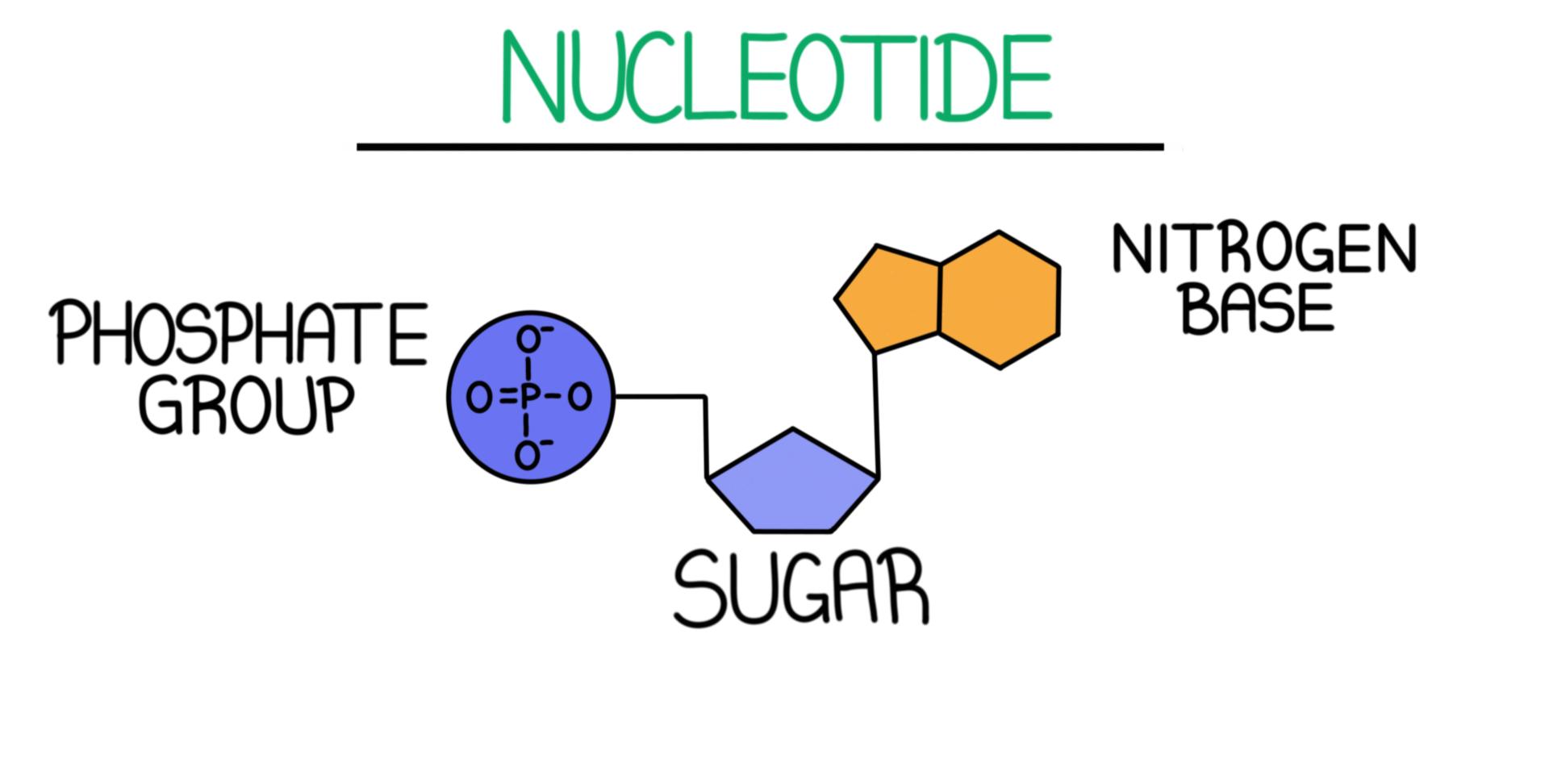
Each nucleotide consists of three distinct chemical components linked together in a precise chain. These parts include a pentose sugar, a phosphate group, and a nitrogenous base. Altering any single component changes how the molecule interacts within a living cell, affecting everything from structural stability to genetic coding capacity.
The Three Components of Every Nucleotide
The architecture of a standard nucleotide relies on a rigid framework of carbon, hydrogen, oxygen, nitrogen, and phosphorus atoms.
The Pentose Sugar
The sugar molecule forms the central backbone connection point. In DNA, this sugar is deoxyribose, which lacks one oxygen atom compared to the ribose sugar found in RNA. This missing oxygen atom gives DNA molecules higher chemical stability, making it better suited for long-term data storage in the nucleus. RNA uses ribose, which makes the molecule more reactive and versatile for short-lived tasks like protein translation.
The Phosphate Group
Attached to the fifth carbon of the sugar ring, one or more phosphate groups provide a negative charge to the nucleotide. This negative charge makes nucleic acids water-soluble inside the cellular environment. During DNA strand formation, phosphodiester bonds form between the phosphate group of one nucleotide and the third carbon of the next sugar, creating a strong sugar-phosphate backbone.
The Nitrogenous Base
Attached to the first carbon of the sugar ring is a nitrogen-containing ring structure known as a nitrogenous base. These bases store the actual genetic data. They fall into two chemical categories: purines, which feature a double-ring structure (adenine and guanine), and pyrimidines, which feature a single-ring structure (cytosine, thymine, and uracil).
DNA Versus RNA Monomers
While both DNA and RNA use nucleotide monomers, their specific chemical makeup and structural assemblies differ to support separate biological roles.
DNA relies on four canonical bases: adenine pairs exclusively with thymine via two hydrogen bonds, while cytosine pairs with guanine via three hydrogen bonds. This complementary base pairing creates the classic double helix shape, ensuring that genetic information remains protected and easily copied during cell division.
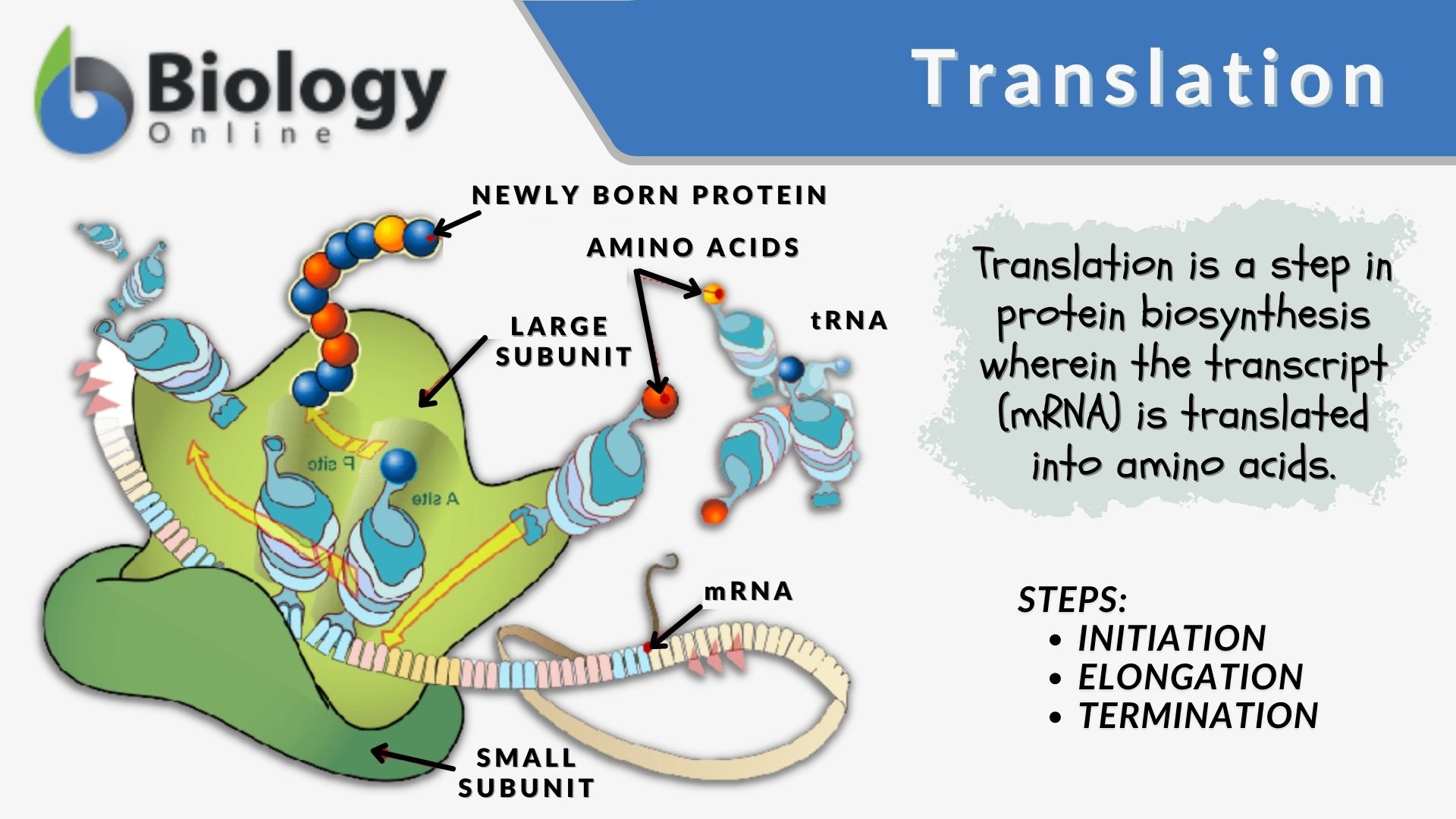
RNA replaces thymine with uracil, which pairs with adenine during transcription. RNA usually exists as a single-stranded molecule rather than a double helix. This single-stranded nature allows RNA to fold into complex three-dimensional shapes, enabling transfer RNA to carry amino acids and messenger RNA to transport genetic blueprints out of the nucleus.
How Nucleotides Drive Cellular Energy Transfer
Nucleotides aren't just static structural units for genetics. Modified nucleotides play active roles in cellular metabolism and energy currency.
Adenosine triphosphate, commonly known as ATP, is a nucleotide containing an adenine base, a ribose sugar, and three phosphate groups. Breaking the high-energy bonds between these phosphate groups releases energy that powers cellular processes such as muscle contraction, active transport, and enzyme activation. Other nucleotide derivatives, such as nicotinamide adenine dinucleotide (NAD) and guanosine triphosphate (GTP), act as vital electron carriers and enzyme cofactors in cellular respiration.
Biosynthesis and Salvage Pathways
Cells maintain a steady supply of nucleotides through two main metabolic pathways: de novo synthesis and salvage pathways.
De novo synthesis builds nucleotides from basic nutrient precursors, including amino acids like glutamine and aspartate, carbon dioxide, and ribose-5-phosphate. This energy-intensive process occurs primarily in the liver to ensure rapid cell division has adequate raw materials.
Alternatively, salvage pathways recycle preformed bases and nucleosides recovered from degraded RNA and DNA. This recycling mechanism saves significant cellular energy, particularly in tissues with high turnover rates like bone marrow and the intestinal lining.
Common Misunderstandings About Nucleotides
A frequent point of confusion involves mixing up nucleosides and nucleotides. A nucleoside consists only of a nitrogenous base attached to a sugar molecule without any phosphate groups attached. Adding one or more phosphate groups transforms a nucleoside into a functional nucleotide.
Another common misconception treats DNA and RNA as interchangeable storage mediums. Because deoxyribose lacks a reactive hydroxyl group on the second carbon, DNA resists enzymatic degradation far better than RNA, explaining why evolution selected DNA for permanent genetic archives and RNA for transient operational tasks.
Frequently Asked Questions
What happens if a nucleotide mutation occurs during replication?
A replication error changes the sequence of nitrogenous bases. Some mutations have no observable effect because multiple codons code for the same amino acid, while others alter protein structure, potentially causing genetic disorders or driving evolutionary adaptation.
Can nucleotides exist outside of living cells?
Yes. Free nucleotides and synthetic analogues exist in laboratory environments and can be synthesized abiotic conditions, though complex self-replicating polymers require specialized cellular machinery.
Why do RNA molecules degrade faster than DNA?
The extra hydroxyl group on the ribose sugar of RNA makes the molecule chemically vulnerable to self-cleavage in alkaline environments, suiting it for temporary roles where genetic instructions must change rapidly.
How do antiviral drugs interact with viral nucleotides?
Many antiviral medications use nucleoside analogues. These fake monomers mimic natural building blocks but lack the proper chemical sites for chain elongation, effectively halting viral replication when enzymes incorporate them into viral genomes.