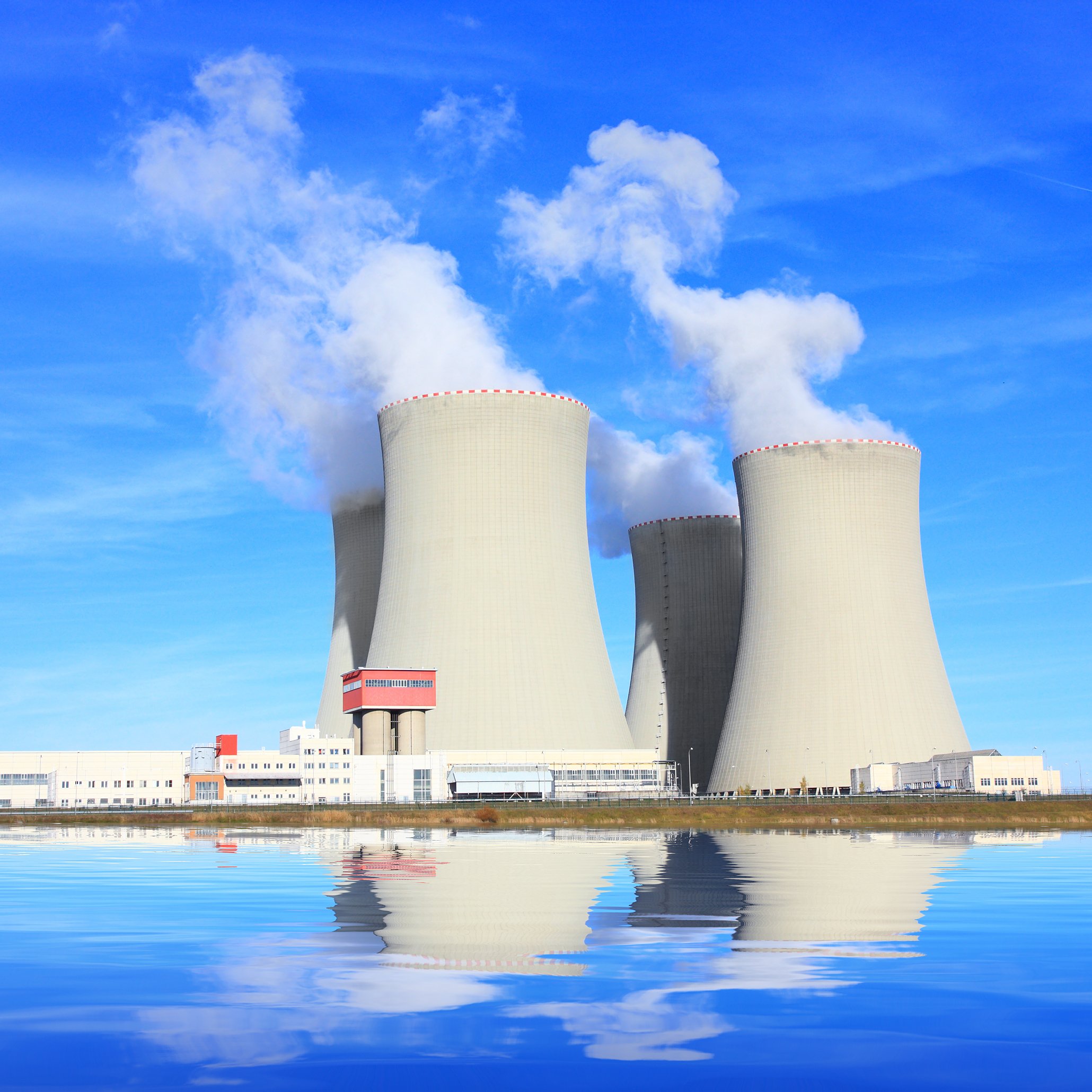
Nuclear fission and fusion represent two fundamentally opposite paths to unlocking the immense binding energy held within atomic nuclei. While fission splits heavy atoms like uranium into smaller fragments, fusion forces light isotopes like hydrogen together to form helium. Both processes release staggering amounts of energy compared to chemical combustion, making them central pillars of long-term global power strategy. Yet they differ vastly in maturity, operational mechanics, and engineering hurdles.
Fission is the workhorse of current atomic power, supplying reliable baseload electricity to grids worldwide through decades of commercial operation. Fusion remains the ultimate horizon of clean energy research, mimicking the internal mechanics of stars to promise limitless fuel with minimal radioactive byproduct. Grasping how these two reactions function requires looking past high-level summaries and examining the distinct physics, material science challenges, and industrial realities governing each approach.
The Mechanics of Nuclear Fission
Nuclear fission occurs when a heavy, unstable atomic nucleus—typically uranium-235 or plutonium-239—absorbs a neutron and splits into two smaller daughter nuclei. This split releases a tremendous amount of thermal energy alongside two or three free-moving neutrons. These newly released neutrons strike neighboring nuclei, triggering a self-sustaining chain reaction.
Controlling this chain reaction safely is the core function of any commercial reactor. Engineers use specific core components to manage the rate of splitting and harness the resulting heat:
- Fuel Assemblies: Ceramic pellets of enriched uranium dioxide encased in corrosion-resistant metal tubes, holding the fissile material.
- Moderators: Materials like ordinary water, heavy water, or graphite that slow down fast neutrons, increasing the probability that they will cause subsequent fissions rather than escape.
- Control Rods: Movable rods made of neutron-absorbing elements like boron, hafnium, or cadmium that are inserted into the core to regulate neutron flux or shut down the reaction entirely.
- Coolant Systems: High-pressure liquids or gases that circulate through the core, absorbing thermal energy to drive electricity-producing turbines.
While fission plants provide dense, carbon-free electricity independent of weather conditions, they face persistent challenges. Spent nuclear fuel remains radioactive for thousands of years, requiring secure long-term geological repositories. Furthermore, historical accidents remind regulators that cooling system failures can lead to core meltdowns, driving intense safety innovations in modern plant designs.
The Promise and Physics of Nuclear Fusion
Nuclear fusion operates on the opposite end of the atomic scale. Instead of breaking heavy atoms apart, fusion forces light atomic nuclei together under extreme temperatures and pressures. When isotopes of hydrogen—specifically deuterium extracted from seawater and tritium bred from lithium—fuse into helium, a fraction of their mass converts directly into pure energy according to Einstein's mass-energy equivalence.
Replicating stellar conditions on Earth requires heating fuel to over 100 million degrees Celsius, creating a state of matter called plasma. At this temperature, atomic nuclei move fast enough to overcome their natural electrostatic repulsion and fuse. Containing this ultra-hot plasma without melting containment vessels is the primary engineering bottleneck of fusion research.
Scientists pursue two main confinement methods to solve this problem:
- Magnetic Confinement: Utilizes large, donut-shaped magnetic chambers known as tokamaks or stellarators to trap and squeeze plasma using powerful magnetic fields.
- Inertial Confinement: Uses high-energy laser arrays to compress tiny fuel pellets uniformly from all sides, igniting micro-fusion bursts for brief fractions of a second.
Fusion advocates point to several unique advantages over fission. The fuel supply is practically inexhaustible, the reaction cannot trigger a runaway meltdown because any loss of confinement instantly halts the process, and it produces no long-lived high-level radioactive waste. However, achieving sustained net energy gain—where the reactor produces more power than it consumes to maintain the reaction—remains an ongoing scientific milestone. Major international initiatives like the ITER Organization continue to test these plasma physics theories at scale.
Direct Comparison of Fission and Fusion
Comparing these two atomic technologies highlights why both occupy distinct places in energy planning. Fission is mature, deployable today, and capable of running continuously, but it generates legacy waste streams and carries severe public safety baggage. Fusion offers a cleaner, safer profile, but remains years away from commercial viability due to extreme material fatigue and plasma instability issues.
| Feature | Nuclear Fission | Nuclear Fusion |
|---|---|---|
| Primary Process | Splitting heavy atoms (Uranium, Plutonium) | Combining light atoms (Deuterium, Tritium) |
| Operational Status | Commercialized globally for decades | Experimental stage, advancing toward net energy gain |
| Fuel Availability | Limited by mined uranium reserves | Abundant via seawater and lithium |
| Waste Profile | Long-lived radioactive actinides and fission products | Minimal short-lived activation products in reactor walls |
| Safety Profile | Requires active cooling to prevent meltdown risks | Inherently passive; reactions extinguish if destabilized |
The Evolution of Fission: SMRs and Generation IV
While fusion captures headlines, fission technology isn't standing still. The next generation of nuclear power focuses heavily on small modular reactors (SMRs) and Generation IV reactor designs. Traditional nuclear plants require massive upfront capital and years of custom construction. SMRs, by contrast, are factory-built units that can be transported by truck or rail and installed incrementally as grid demand grows.
Generation IV systems improve efficiency by utilizing non-water coolants such as liquid sodium, molten salt, or high-temperature gas. These coolants allow reactors to operate at much higher temperatures, which not only generates electricity more efficiently but also provides industrial heat for hydrogen production and chemical manufacturing. Organizations like the World Nuclear Association track these advanced reactor deployments as critical tools for meeting global decarbonization targets.
Frequently Asked Questions
Why is nuclear fusion so difficult to achieve commercially?
Sustaining fusion requires recreating conditions similar to the core of a star. Maintaining a plasma temperature exceeding 100 million degrees Celsius while managing intense neutron bombardment that degrades reactor walls creates severe materials science and engineering challenges.
Does nuclear fission produce greenhouse gas emissions?
No. The fission reaction itself produces zero carbon dioxide or methane. While carbon emissions occur during initial uranium mining, enrichment, and heavy concrete construction, the operational lifecycle emissions of nuclear fission are comparable to wind and solar power.
Can a nuclear fission reactor explode like an atomic bomb?
No. Commercial nuclear reactors use low-enriched uranium that cannot sustain the rapid, uncontrolled chain reaction required for a weapon detonation. Even severe historical accidents involved steam explosions or chemical fires, not nuclear blasts.
How much fuel does a fusion reactor actually need?
Very little. A tiny pellet containing a mixture of deuterium and tritium can yield energy equivalent to barrels of oil. Because deuterium is abundant in ordinary water, fuel scarcity is virtually nonexistent for fusion.



