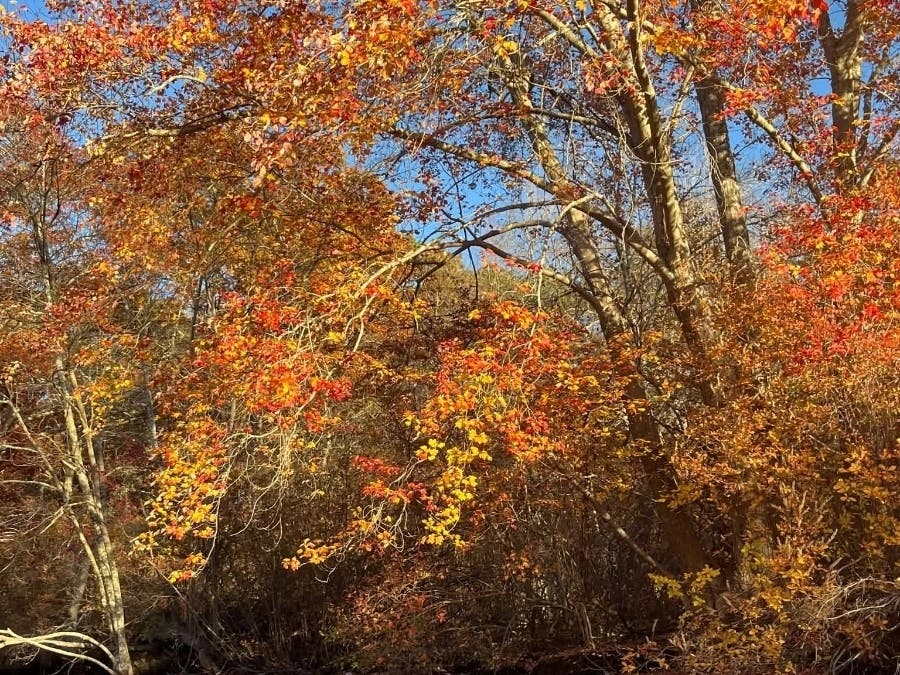
November brings a welcome shift to Orlando, replacing sticky summer heat with pleasant temperatures and lower humidity. As the Atlantic hurricane season officially winds down on November 30, travelers experience some of the best outdoor conditions of the entire year. Daytime highs average around 77°F to 80°F, while evening lows drop down to a crisp 58°F to 60°F. Rain chances drop significantly, making this month a prime window for theme parks, outdoor dining, and regional exploration.
Understanding the month's specific climate patterns helps travelers pack properly and plan itineraries without unpleasant surprises. While days are generally warm and sunny, mornings and nights demand light layers. Rainfall is minimal compared to the summer monsoonal pattern, but understanding micro-climates, wind behavior, and historical averages ensures a smooth trip.
Temperature Breakdown: What to Expect Day and Night
The transition from October to November marks a distinct drop in heat stress. Early November still holds onto late-fall warmth, but by Thanksgiving, cooler air masses routinely sweep down the peninsula.
Average daily high temperatures start the month near 80°F and gradually cool to about 75°F by the final days. Meanwhile, average low temperatures slide from 64°F down to 58°F.
- Afternoons: Peak heating occurs between 2:00 PM and 4:00 PM, delivering comfortable warmth that rarely feels oppressive. Sunscreen remains mandatory because the Florida sun stays strong even in late autumn.
- Mornings: Early risers heading to theme parks before rope drop will find brisk conditions. Temperatures between 7:00 AM and 9:00 AM often hover in the low 60s, requiring a light hoodie or jacket.
- Evenings: Once the sun sets, radiant cooling drops temperatures quickly. Outdoor dining or nighttime strolls around Disney Springs or Universal CityWalk require long sleeves or light outerwear.
Rainfall Patterns and Humidity Levels
Summer storms in Central Florida dump inches of rain daily, but November flips the script. It stands out as one of the driest months of the year, averaging under two inches of total precipitation across the entire month.
The chance of a wet day stays low at around 17%. Showers that do occur are usually brief, fast-moving cold fronts rather than torrential tropical downpours. Humidity plummets compared to July and August, ridding the air of that heavy, suffocating moisture and keeping hair frizz-free during long outdoor excursions.
Hurricane Season Finale: Is Risk Gone?
The official Atlantic hurricane season runs from June 1 through November 30. Statistically, the vast majority of tropical systems form between mid-August and mid-October.
By November, ocean temperatures in the Gulf of Mexico and the Atlantic begin to cool, and vertical wind shear increases across the region. These atmospheric shifts make tropical development rare.
- Historical Risk: While a late-season storm can occasionally form in the Caribbean or tropical Atlantic, direct landfalls in Central Florida during November are historically uncommon.
- Travel Insurance: Even though the statistical risk is low, keeping an eye on the National Hurricane Center provides peace of mind if you're traveling during the first week of the month.
Packing Strategy for November Trips
Packing for Orlando in November requires versatility because you'll encounter a 20-degree swing between afternoon highs and night lows.
- Layering Essentials: Pack t-shirts and breathable fabrics for the afternoon, paired with cardigans, fleece pullovers, or denim jackets for the evening.
- Footwear: Bring broken-in sneakers. Walking 10 to 15 miles across theme parks requires sturdy support, and cooler air makes foot fatigue feel different than summer heat does.
- Sun Protection: Sunglasses, hats, and SPF 30+ sunscreen are non-negotiable. The angle of the sun is lower, but UV rays still cause skin damage.
- Light Rain Gear: Toss a compact umbrella or disposable poncho into your backpack just in case a stray shower crosses the county.
Common Mistakes to Avoid
Travelers often miscalculate Florida's late-autumn weather dynamics, leading to discomfort or missed opportunities.
- Assuming pool water is warm: Hotel pools that lack heating will feel bracingly cold in November, especially after a cool night or windy day. Check if your resort features heated pools.
- Underpacking for kids: Children feel temperature drops faster than adults do during evening fireworks shows or parades. Bring extra layers for younger family members.
- Ignoring the wind chill: When breezy cold fronts push down from the north, standing still on outdoor ride queues can feel much colder than the actual thermometer reading suggests.
Frequently Asked Questions
Can you swim in Orlando hotel pools in November?
Yes, but with caveats. Heated pools are comfortable year-round, but unheated resort pools will feel brisk because daytime highs hover in the mid-70s and overnight lows drop into the high 50s. Mid-afternoon is always the best time for swimming.
Do I need heavy winter coats in Orlando in November?
No. Heavy winter coats, heavy wool scarves, and winter boots are unnecessary. A light jacket, fleece, or denim layer is more than enough to handle the coldest November nights.
How crowded are the theme parks in November?
Crowds fluctuate significantly. The weeks containing Veterans Day and Thanksgiving experience heavy surges in attendance. However, the early-to-mid weekdays between major holidays often feature lower crowds and shorter wait times.
Does it rain much during Thanksgiving week?
Historically, November maintains low rainfall averages. Thanksgiving week is typically dry, though minor cold fronts can occasionally bring a brief cloud cover or a quick passing shower.


