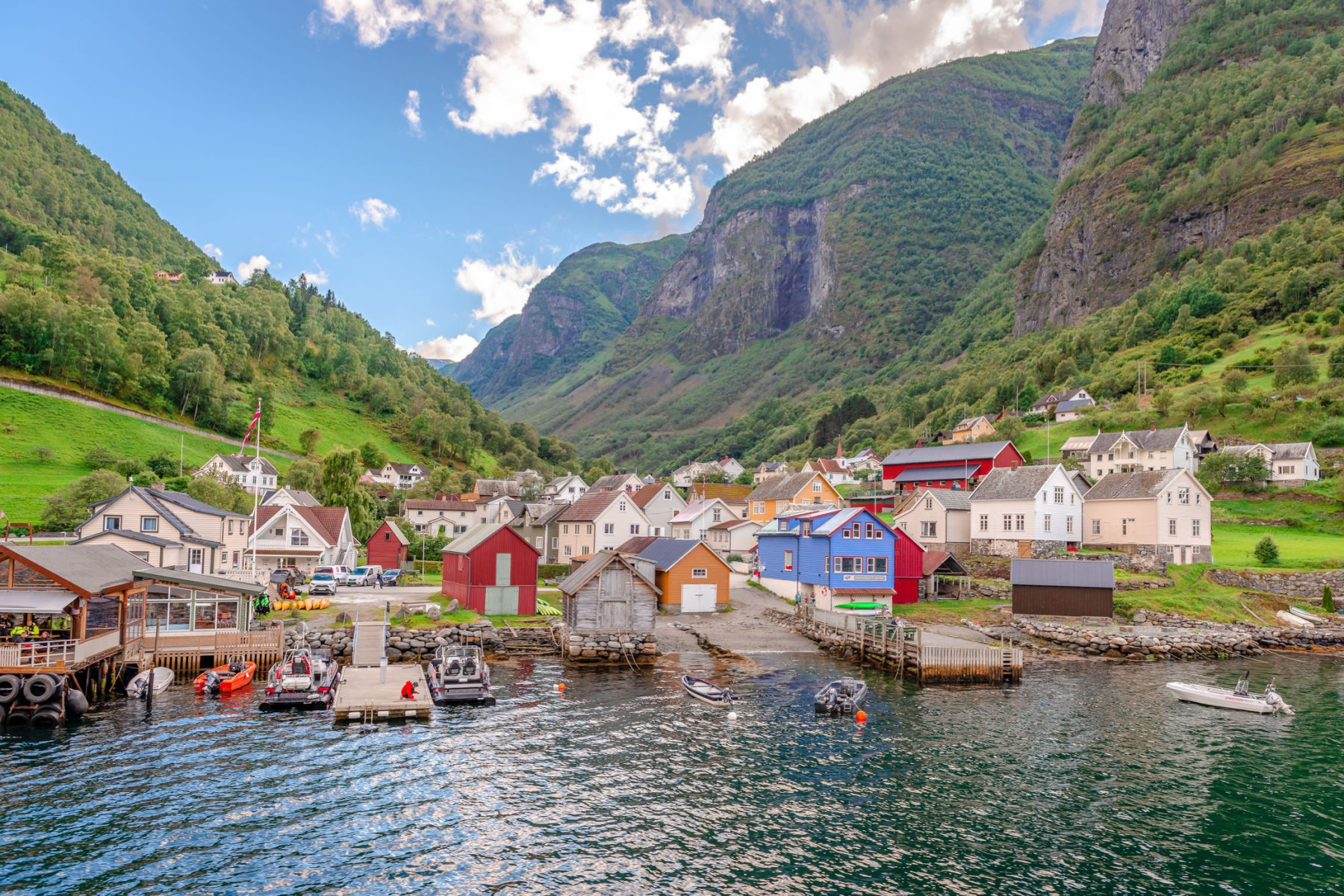
When we talk about national progress, we usually measure speed. Gross domestic product growth, quarterly output, and delivery velocity dominate economic discourse. Yet, Norway operates on a radically different premise. The concept of Norway time isn't about moving fast; it's about setting a deliberate tempo that prioritizes ecological preservation, public safety, and human well-being over frantic productivity.
This measured societal rhythm reshapes how citizens work, commute, and protect their environment. By anchoring public policy and corporate culture to sustainable pacing, Norway achieves high economic output while maintaining world-class standards in safety and life satisfaction.
The Rhythm of Work and Health
The foundation of Norway time begins in the workplace. Rather than celebrating overwork, the Norwegian labor model treats rest as a prerequisite for productivity. The standard workweek sits at roughly 37 hours, backed by strong labor protections and widespread schedule flexibility.
Major Norwegian enterprises, including energy leader Equinor, routinely implement flexible hours without experiencing drops in output. Employees routinely utilize over twenty annual public holidays and generous vacation entitlements to recharge. This deliberate pacing directly impacts public health. Stress-related chronic illnesses remain lower than the OECD average, and healthcare systems face fewer burnout-driven expenditures.
- Predictable Scheduling: Core working hours typically span from 8:00 AM to 4:00 PM, after which offices empty out to prioritize family and community life.
- Low Turnover: Sustainable pacing builds institutional loyalty, reducing hiring costs and preserving specialized knowledge within organizations.
- Health Integration: Physical activity is woven into daily routines through subsidized workplace sports clubs and outdoor recreation initiatives.
Time as an Environmental Catalyst
Environmental stewardship requires long-term planning that transcends short political cycles. Norway integrates temporal discipline into its climate strategies, using strict deadlines to drive ecological transformation.
For instance, the nation's climate targets—such as mandates requiring zero-emission urban transport zones and carbon-neutral public ferries—rely on phased, predictable timelines. Rather than imposing sudden market shocks, the government provides multi-year runways for businesses and citizens to adapt. This structured approach allows infrastructure, such as electric vehicle charging networks, to scale alongside consumer demand.
Agencies like the Miljødirektoratet (Norwegian Environment Agency) employ time-sensitive monitoring to track ecosystem shifts in real time, adjusting conservation policies within hours of receiving fresh data. This synchronization between ecological feedback loops and policy action prevents environmental degradation before it becomes irreversible.
Institutional Transparency and Public Trust
A sustainable societal pace cannot exist without trust. When citizens trust that institutions operate with long-term integrity, the anxiety of perpetual urgency fades.
Norway builds this trust through radical institutional transparency. Legislative agendas, public infrastructure timelines, and environmental impact reports are published on accessible public platforms. Citizens can track how municipal budgets align with long-term decarbonization milestones.
- Public Roadmaps: National infrastructure projects are mapped across decades, minimizing disruptive revisions and cost overruns.
- Digital Governance: Real-time data sharing across government departments ensures resources deploy efficiently without reactionary panic.
- Civic Accountability: Public consultations give communities ample time to review urban development plans, ensuring safety and social cohesion aren't sacrificed for quick construction.
You can explore broader governance models and public data standards directly through the OECD Public Governance Reviews.
Safety Through Spatial and Temporal Design
Public safety in Norway is deeply tied to how spaces and hours are managed. Urban planning in cities like Oslo relies on time-targeted interventions—such as peak-hour congestion pricing and optimized public transit scheduling—to minimize pedestrian accidents and reduce traffic density.
By separating heavy transport windows from pedestrian-heavy commuting hours, cities dramatically lower urban collision rates. Furthermore, seasonal variations, such as the long winter twilight, prompt deliberate adjustments in community safety measures. Street lighting infrastructure, winter tire mandates, and community preparedness programs operate on strict seasonal schedules, ensuring citizens are protected before hazardous conditions peak.
To read more about global safety benchmarks and urban transit strategies, consult the International Transport Forum.
Common Misconceptions About Slow Pacing
Observers often mistake Norway's deliberate tempo for inefficiency. In reality, removing chaotic rushes creates room for precision. When teams aren't constantly putting out fires caused by rushed execution, projects require fewer revisions.
Another common error is assuming this model only works for wealthy, resource-rich nations. While Norway's sovereign wealth fund provides economic cushion, the cultural value placed on sustainable time management stems from social consensus rather than capital alone. It is an intentional choice to value community resilience over short-term extraction.
Frequently Asked Questions
Does a shorter workweek reduce national competitiveness?
No. Data from labor economists indicates that rested workers produce higher-quality output per hour. Norway consistently ranks near the top of global productivity indexes despite shorter average working hours.
How do seasonal changes affect Norway's societal rhythm?
Extreme seasonal shifts—such as endless summer daylight and deep winter darkness—train communities to synchronize their routines with natural cycles, emphasizing indoor community gatherings in winter and outdoor recreation in summer.
Can other countries adopt Norway time?
While cultural contexts vary, elements of Norway time—such as predictable scheduling, strict work-life boundaries, and long-term infrastructure planning—are adaptable by any organization or municipality willing to prioritize sustainability over constant urgency.



