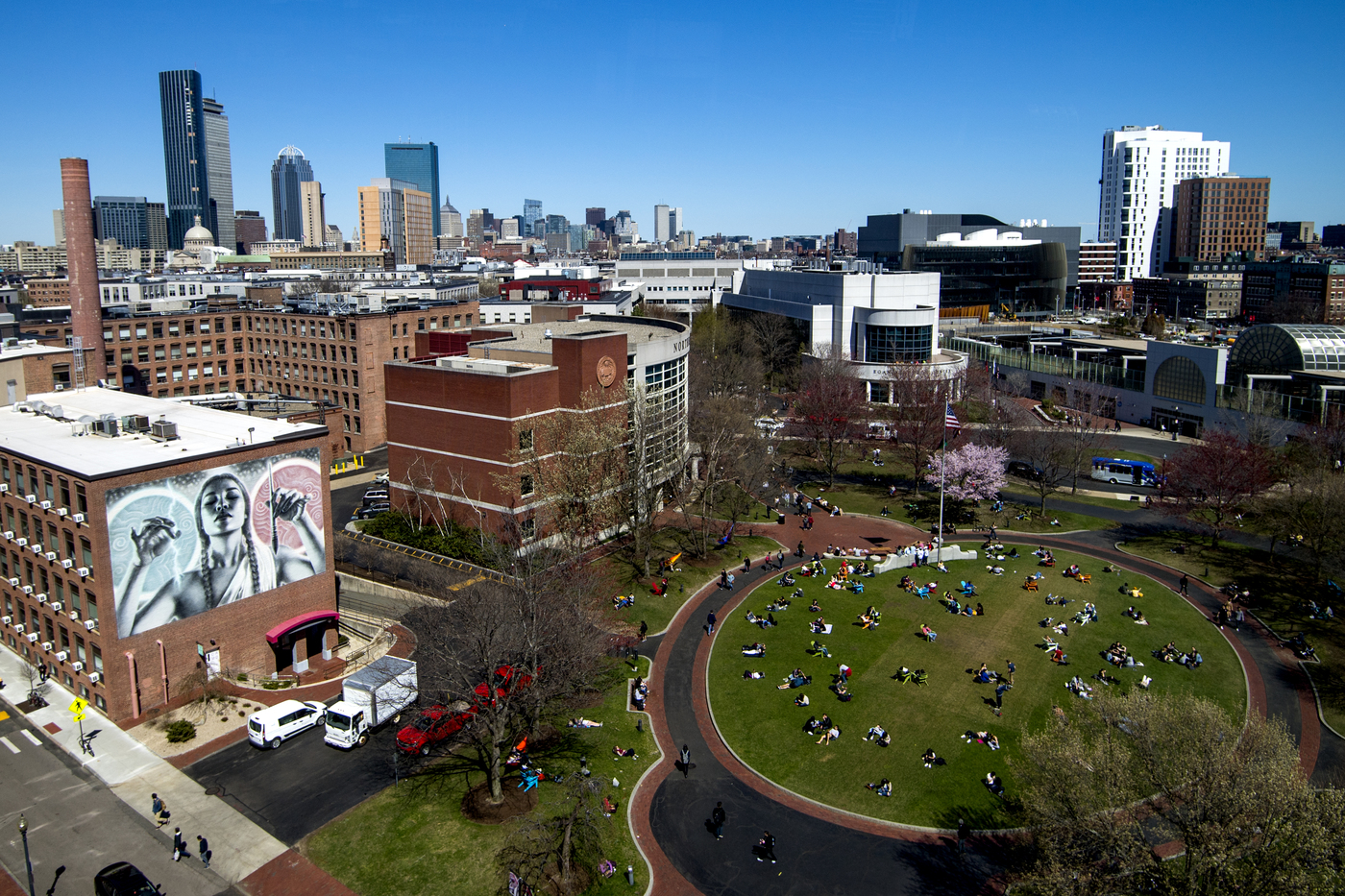
Choosing a university program isn't just about picking a major; it's about how you build professional capability before graduation. Northeastern University built its academic model around the cooperative education (co-op) system, which alternates semesters of classroom study with full-time professional employment. This design transforms traditional higher education into a direct runway for career mastery, allowing you to test theories in live corporate, research, or nonprofit environments.
Understanding how these programs work helps you evaluate whether this structure matches your professional ambitions. Below, we break down the mechanics of Northeastern's academic offerings, the realities of the co-op track, and what you need to know before committing to this educational model.
The Core Academic Structure
Northeastern operates across several specialized colleges, including the D'Amore-McKim School of Business, the Khoury College of Computer Sciences, and the College of Engineering. Rather than keeping you isolated in lecture halls, the curriculum integrates theoretical foundations with practical execution early in your degree timeline.
Undergraduate and Graduate Pathways
The university supports hundreds of majors, combined majors, and graduate credentials across its global campus network.
- Combined Majors: Programs like Computer Science and Business or Data Science and Criminal Justice let you cross disciplinary boundaries without adding extra years to your graduation timeline.
- Graduate and Professional Degrees: Master's degrees and professional doctorates are tailored for working adults and career switchers, often blending online modules with intensive on-campus residencies.
- Interdisciplinary Options: Specialized tracks allow you to design independent concentrations that address emerging industries.
How the Co-Op Program Operates
The defining feature of a Northeastern education is the co-op. Instead of a traditional summer internship, you spend four to six months working full-time for an employer partner.
The Timeline
Students typically alternate between academic semesters and co-op cycles over a four- or five-year undergraduate plan. You don't pay tuition during your co-op periods, meaning your financial investment shifts toward living expenses while you earn a salary.
Global Placement
Employers span thousands of corporate partners across multiple continents. You might spend six months coding at a tech startup in Boston, analyzing financial portfolios in London, or conducting clinical research at a global health lab. This mobility ensures you graduate with international perspective and a robust professional network.
Maximizing Value and Avoiding Common Pitfalls
Entering an intensive experiential program requires deliberate planning. Many students stumble because they treat co-ops as standard job applications rather than strategic educational milestones.
Common Mistakes to Avoid
- Treating Co-op Search Passively: Waiting for placement coordinators to hand you an ideal job description hurts your outcome. You must actively pitch your skills, polish your resume, and interview competitively.
- Ignoring Non-Traditional Sectors: Focusing solely on massive multinational brands can cause you to miss high-impact co-op opportunities at innovative nonprofits, government agencies, and boutique research labs.
- Siloing Your Experience: Choosing co-ops that repeat what you already know limits your growth. Use early rotations to explore unfamiliar industries before locking into a specialization.
Frequently Asked Questions
Do students get paid during co-ops?
Yes. Most corporate and technical co-ops are paid positions, with hourly rates varying depending on the industry, location, and role. Non-profit or research roles occasionally offer stipends or institutional support if wages are lower.
Does participation in co-op delay graduation?
It can extend an undergraduate timeline to five years if you choose the three-co-op option, though a four-year path with fewer rotations is also available. Most students find that the professional traction gained outweighs the extra semester or year.
How does Northeastern assist with job placement after graduation?
The combination of dedicated career advisors, co-op coordinators, and a massive alumni network results in high post-graduation employment and graduate school placement rates within nine months of commencement.
Can graduate students participate in co-op?
Yes. Graduate students have designated windows—typically during their second year—to complete professional co-ops aligned with their master's curriculum.



