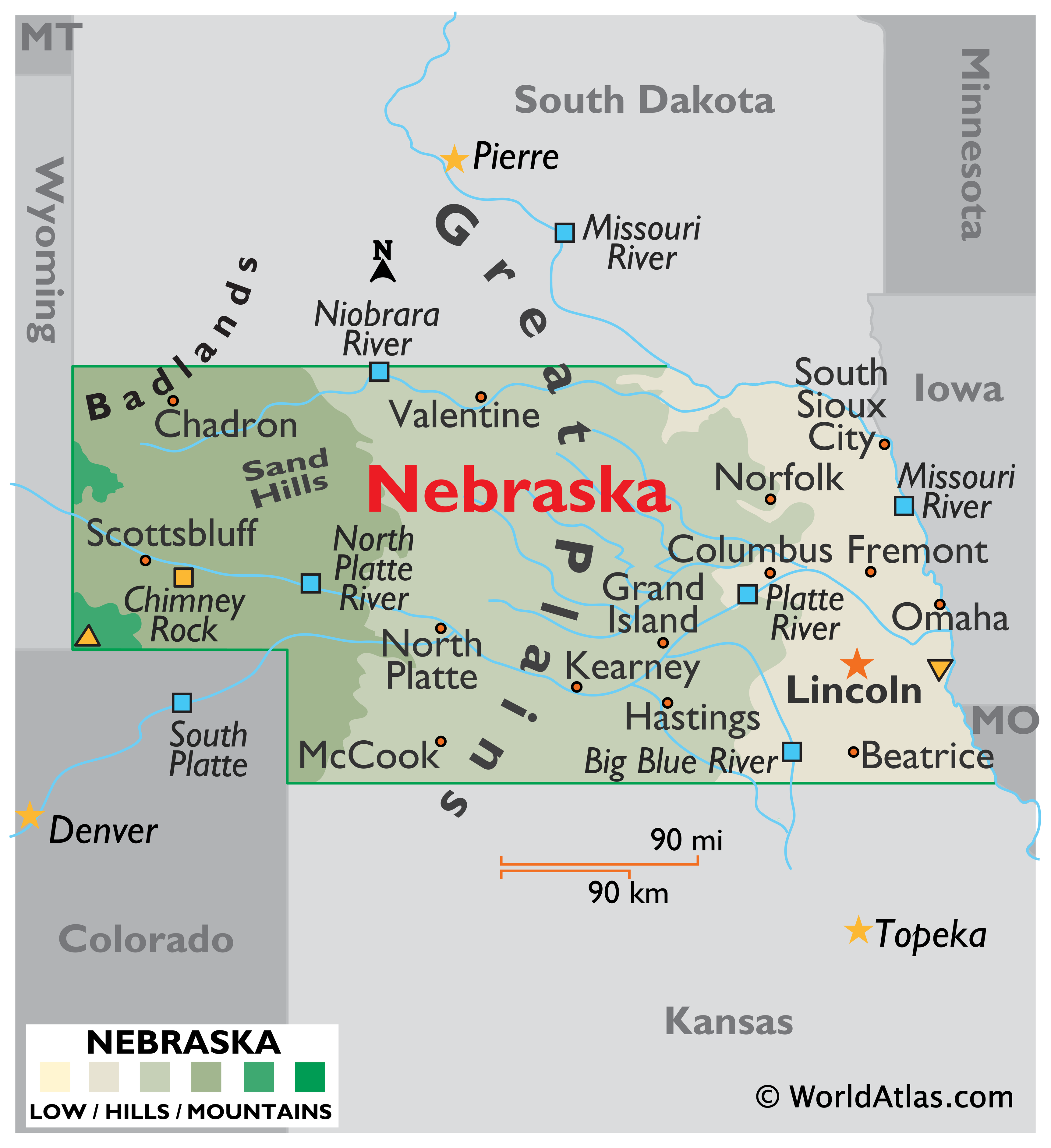
Living in or traveling through North Platte means dealing with a high plains climate where the sky dictates daily life. Straddling the Platte River in western Nebraska, this area experiences a humid continental climate that frequently brushes against semi-arid conditions. You'll encounter dramatic temperature swings, relentless winds, and rapid seasonal shifts that demand respect and preparation.
The atmosphere here moves fast. Cold Canadian air masses slide south across open terrain with zero natural friction, while moisture surges north from the Gulf of Mexico during warmer months. This volatile mix creates a meteorological profile defined by four distinct, intense seasons. If you're moving here or planning an Interstate 80 road trip, understanding these patterns isn't optional—it's essential for survival and comfort.
Winter Severity and Wind Chill Dynamics
Winter in North Platte arrives with authority. The city averages over forty inches of snowfall annually, driven by unobstructed cold fronts sweeping down from the north. The North Platte River routinely freezes over, and the surrounding prairie turns into a stark, white expanse.
The primary challenge isn't just the thermometer reading—it's the wind. Prevailing westerlies generate biting wind chills that strip heat from exposed skin within minutes.
- Temperature Plunges: Daytime highs frequently hover near freezing, while overnight lows drop well into the single digits or below zero Fahrenheit.
- Blizzard Conditions: High winds pick up falling or settled snow, causing sudden whiteout conditions on local roads and highways.
- Travel Disruption: Interstate 80 often faces temporary closures during major storms, stranding motorists and freight haulers.
Drivers must keep emergency kits in their vehicles, including heavy blankets, non-perishable snacks, flashlights, and a portable phone charger. Local road conditions are monitored closely by the Nebraska Department of Transportation via real-time plow tracking maps.
Spring Transition and Severe Storms
Spring brings a chaotic period of atmospheric warming. Melting mountain snowpack feeds local waterways while humid air collides with dry western winds, sparking severe thunderstorms.
This is peak severe weather season. While North Platte sits slightly west of traditional Tornado Alley, tornadoes remain a genuine threat between April and June.
- Severe Thunderstorm Warnings: Hail, damaging straight-line winds, and torrential downpours are common afternoon occurrences.
- Flash Flooding: Rapid snowmelt combined with heavy rain can overwhelm urban drainage systems and swell local creeks.
- Community Preparedness: Schools and businesses run routine drills, ensuring residents know the exact location of their designated storm shelter.
Monitoring local radar via the National Weather Service is a daily habit for residents during this window. Knowing the difference between a severe thunderstorm watch and a warning prevents panic and saves lives.
Summer Heat and Dry Air Realities
Summers in North Platte offer intense sunshine paired with surprising comfort. Daytime temperatures regularly exceed ninety degrees Fahrenheit, occasionally pushing past triple digits.
However, the defining trait of a High Plains summer is low humidity. Unlike the muggy conditions found in the eastern United States, this dry heat evaporates sweat efficiently, making high temperatures feel more manageable as long as you stay hydrated.
- Solar Intensity: With over three hundred days of sunshine annually, UV exposure is high. Sunscreen and sunglasses are daily necessities.
- Afternoon Convection: Daytime heating frequently triggers brief, dramatic thundershowers late in the day, dropping quick moisture before clearing up.
- Water Management: Agriculture and urban life depend heavily on regional reservoirs and the U.S. Geological Survey streamflow data to manage water scarcity during dry spells.
Autumn Stability and Harvest Season
Autumn provides the most stable and pleasant weather of the year. Crisp, clear mornings give way to mild afternoons, creating ideal conditions for outdoor recreation and agricultural harvest.
The wind remains a steady companion, but the extreme weather threats of spring and summer subside. Farmers utilize this reliable window to gather crops, while travelers enjoy open roads and striking prairie sunsets before winter reclaims the landscape.
Frequently Asked Questions
How windy does North Platte get on average?
Winds typically average between ten and fifteen miles per hour year-round, with gusts frequently exceeding forty miles per hour during frontal passages and winter storms.
Is North Platte prone to tornadoes?
Yes, tornadoes can occur during spring and early summer, though they are statistically less frequent here than in eastern Nebraska or Kansas.
What is the best month to visit for mild weather?
September and October offer comfortable daytime temperatures, low humidity, and minimal severe weather risk, making them ideal months for travelers.
How do residents handle sudden highway closures in winter?
Local hotels and community centers are well-versed in accommodating stranded travelers along Interstate 80, and the state DOT provides timely detour information online.


