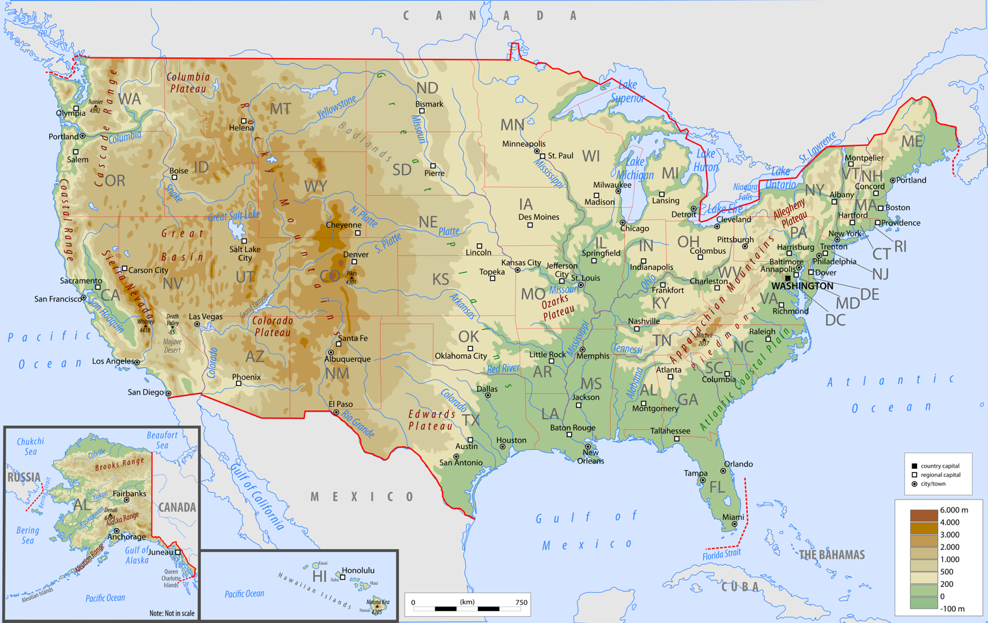
The relationship between the United States, Canada, and Mexico forms a tightly woven network of trade, defense, and industrial co-production. Rather than acting as separate sovereign markets trading at arm's length, North America operates as a single shared economic and security platform. This integration anchors regional stability and acts as a defensive shield against global supply chain volatility. Understanding this continental nexus requires looking past simple import-export figures to examine how manufacturing, energy corridors, and defense agreements sustain mutual survival.
At the core of this arrangement lies the United States–Mexico–Canada Agreement (USMCA), which replaced NAFTA. While public debates often frame trade pacts around tariffs, the modern North American nexus functions through integrated value chains. A single manufactured good—such as an automobile or an aircraft—crosses borders multiple times during assembly, drawing on raw materials from Canada, specialized components from the United States, and precision manufacturing from Mexico. This co-production model reduces reliance on vulnerable overseas logistics hubs, particularly in East Asia, ensuring that North America retains industrial autonomy during international disruptions.
The Industrial and Supply Chain Architecture
North American manufacturing relies heavily on regional proximity. When global shipping lanes face bottlenecks or geopolitical friction, domestic production loops within the continent provide insulation.
- Automotive Co-Production: Vehicle manufacturing depends on parts and labor distributed across all three countries. Strict rules of origin under the USMCA mandate high regional content percentages, forcing automakers to source components locally rather than importing cheaper alternatives from outside the hemisphere.
- Critical Minerals and Tech: The transition toward green technology and advanced computing relies on critical mineral reserves found across the Canadian Shield and Mexican mining regions. Securing these inputs prevents external adversaries from weaponizing mineral supply chains.
- Agribusiness Integration: Food security across the continent depends on seasonal complementarities. Agricultural trade ensures year-round availability of diverse food products between the United States, Mexico, and Canada, supporting local farming economies and stabilizing consumer prices.
This industrial web means that economic shocks rarely stay contained within one national boundary. Tariffs or regulatory shifts targeting one sector ripple across the entire trilateral network. Observers at Bloomberg have also weighed in on this trend.
Defense, Sovereignty, and Continental Security
Economic integration cannot survive without a matching security architecture. The defense of North America is anchored by long-standing bilateral and multilateral mechanisms designed to monitor and protect shared borders, airspace, and maritime approaches.
The North American Aerospace Defense Command (NORAD) exemplifies this binational defense commitment. Established during the Cold War, NORAD provides joint aerospace warning, air sovereignty, and defense for both the United States and Canada. In tandem, United States Northern Command (USNORTHCOM) coordinates homeland defense and security cooperation across the region.
Security cooperation extends beyond military defense into cybersecurity, counter-terrorism, and critical infrastructure protection. Because power grids, financial networks, and transportation pipelines cross international borders, a disruption in one country immediately threatens the security of its neighbors. Protecting these digital and physical arteries requires joint intelligence sharing and standardized regulatory compliance.
The Shift Toward Nearshoring and Regional Resilience
Global economic fragmentation has forced policymakers and corporate leaders to rethink globalization. The strategy of chasing the lowest labor costs worldwide has given way to nearshoring—relocating production facilities to politically aligned, geographically close nations.
Mexico and Canada have become primary beneficiaries of this shift. Companies seeking to avoid shipping delays and geopolitical tariffs move factories closer to the massive U.S. consumer base. This structural adjustment reinforces the North American economic and security nexus, turning geographic proximity into a strategic asset.
However, this transition introduces distinct challenges. Governments must harmonize labor laws, environmental regulations, and digital trade rules to prevent friction points from slowing down cross-border commerce. Disagreements over energy policies, automotive rules of origin, and steel tariffs frequently test the durability of the trade framework.
Common Missteps in Analyzing Continental Integration
Observers often misinterpret the nature of North American relations by viewing them through an outdated lens. Avoiding these analytical pitfalls clarifies how the continent actually functions:
- Treating trade as a zero-sum game: Viewing a trade deficit with Mexico or Canada as a loss ignores the reality of co-production, where intermediate goods travel back and forth to create finished products.
- Separating trade from national security: Modern policy treats supply chain resilience, technology access, and energy independence as core national security issues rather than simple commercial transactions.
- Assuming borders are static barriers: For major industries, the international boundaries function less like traditional checkpoints and more like internal logistics nodes within a continental factory floor.
Frequently Asked Questions
What is the primary purpose of the USMCA in North American integration?
The USMCA serves as the legal and institutional framework governing trade, investment rules, labor standards, and environmental policies across the United States, Mexico, and Canada, ensuring predictable supply chains and preferential market access.
How do Canada and the United States coordinate defense?
Defense coordination occurs primarily through NORAD for aerospace monitoring, alongside joint military exercises, intelligence sharing, and cooperative agreements managed through USNORTHCOM and bilateral diplomatic channels.
Why is nearshoring important for North America?
Nearshoring brings manufacturing and supply chains closer to home, reducing exposure to overseas transit disruptions, lowering carbon footprints associated with long-distance shipping, and strengthening regional economic self-sufficiency.
What risks threaten the North American economic nexus?
Potential risks include regulatory divergence on artificial intelligence and technology, political disputes over energy and environmental policies, and the reintroduction of unilateral tariffs that disrupt integrated manufacturing processes.



