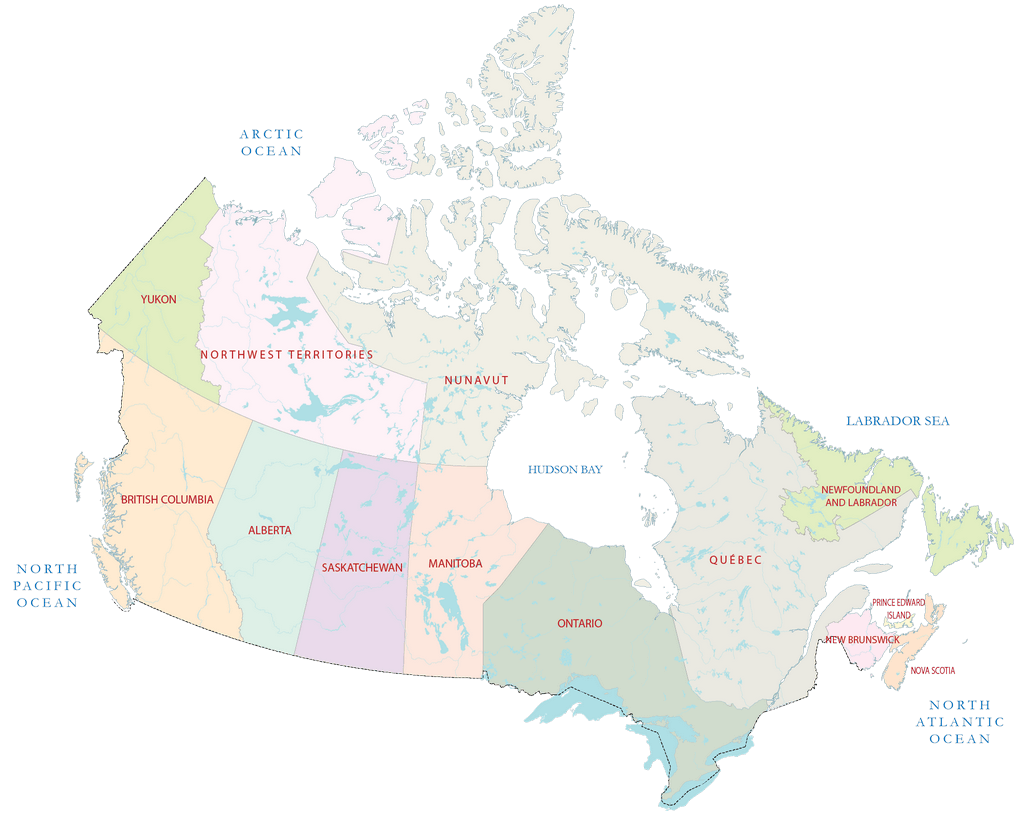
North America runs on an integrated tri-national engine formed by Canada, Mexico, and the United States. These three economies share borders, supply chains, and regulatory treaties that dictate hemispheric trade. Understanding how this bloc functions requires looking past political rhetoric and examining manufacturing corridors, energy grids, and logistics networks.
The United States–Mexico–Canada Agreement acts as the legal backbone for continental commerce. Replacing NAFTA, this framework sets rules on automotive manufacturing, digital trade, labor standards, and environmental compliance. While political leaders negotiate the terms in capital offices, actual economic output happens on factory floors in Monterrey, distribution hubs in Chicago, and resource extraction sites in Alberta.
The Economic Pillars of the Tri-Nation Bloc
Each country brings distinct assets to the North American market. Canada supplies raw materials, energy, and high-value manufactured goods. Mexico provides specialized manufacturing, skilled labor, and extensive assembly infrastructure. The United States drives consumer demand, technological innovation, and financial capital.
Energy integration connects all three nations. Crude oil, natural gas, and electricity flow across borders through pipelines and transmission lines. For instance, Canadian crude feeds refineries in the American Midwest and Gulf Coast, while refined petroleum products flow south into Mexico. This interdependence ensures that energy security in North America is a shared responsibility rather than a domestic isolationist policy. For another look on this story, see the latest update from Reuters.
Logistics corridors facilitate this constant movement of goods. Key trade arteries like Interstate 35 in the United States connect directly to Mexican federal highways and Canadian provincial routes. When bottlenecks occur at border crossings such as Laredo or Detroit-Windsor, supply chains across all three countries feel the impact within hours.
Manufacturing Integration and Nearshoring Shifts
Global supply chain disruptions forced companies to rethink long-distance sourcing. North American manufacturing has shifted toward nearshoring, moving production closer to end consumers. Mexico became a primary beneficiary of this trend, attracting foreign direct investment from Asia, Europe, and the United States.
Automotive production exemplifies this deep integration. A single vehicle component might cross international borders multiple times during assembly. Raw steel from Canada gets stamped in an American plant, shipped to Mexico for electronic component integration, and final-assembled in the United States before sale.
- Labor Standards: USMCA rules require higher wage minimums for automotive workers, pushing Mexican manufacturing wages upward while protecting American and Canadian union interests.
- Rules of Origin: Vehicles must contain a higher percentage of regional content to qualify for duty-free status, encouraging local sourcing of parts.
- Intellectual Property: Digital trade provisions protect software, streaming media, and proprietary designs across all three jurisdictions.
Regulatory Divergence and Border Friction
Despite economic integration, regulatory friction remains a constant challenge. Immigration policies, customs procedures, and environmental standards differ significantly among the three nations. These discrepancies create compliance hurdles for businesses operating across borders.
Customs clearance times at land ports of entry influence inventory costs. Modern initiatives aim to implement pre-clearance programs and automated scanning technologies to speed up cargo processing. However, security concerns and political friction often slow these modernization efforts.
Environmental policies also diverge. While Canada and Mexico have national carbon pricing or emission targets, U.S. climate policy varies heavily by federal administration and state legislation. Harmonizing green energy initiatives across different regulatory frameworks remains an ongoing diplomatic hurdle.
Frequently Asked Questions
What trade agreement currently governs Canada, Mexico, and the United States?
The United States–Mexico–Canada Agreement governs regional trade, replacing the older North American Free Trade Agreement with updated rules on digital commerce, labor, and automotive content.
How does nearshoring impact Mexico's economy?
Nearshoring brings foreign manufacturing plants and assembly operations into Mexico, increasing industrial employment and boosting infrastructure development in manufacturing hubs like Monterrey and Tijuana.
Why is energy integration important for North America?
Cross-border pipelines and power grids ensure steady fuel and electricity supplies, lowering costs for heavy industry and stabilizing energy markets across all three countries.
What are the main logistical bottlenecks in North America trade?
Land border crossings such as commercial truck bridges experience congestion due to customs inspections, regulatory paperwork, and security checks, which can delay integrated supply chains.



