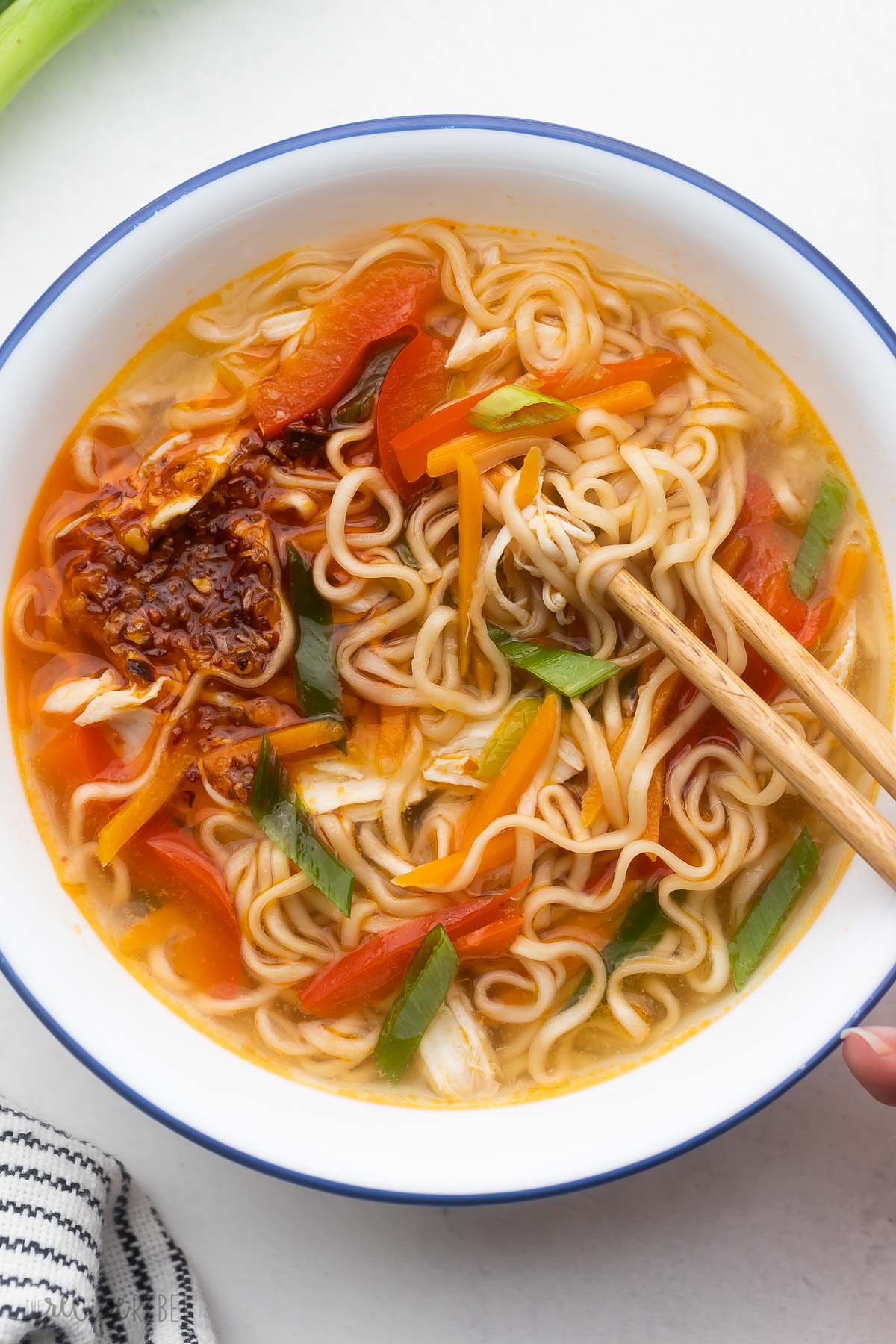
Noodles form the backbone of comforting meals across dozens of cultures, stretching from hand-pulled wheat strands in northwestern China to delicate buckwheat soba in Tokyo. If you're looking to understand what makes these dishes distinct, you're in the right place. We're cutting straight through the fluff to break down flour types, hydration ratios, broth chemistry, and regional techniques that define the world's most popular noodle styles.
The global noodle spectrum breaks down into four main structural pillars: alkaline wheat noodles, egg-enriched noodles, starch-based extruded noodles, and minimalist flour-and-water doughs. Each category reacts differently to boiling water, broth absorption, and agitation, which explains why a ramen noodle turns soggy in pho, while a rice stick holds its shape in a hot wok. Let's look at how these traditions evolved and how you can master them at home.
The Chemistry and Classification of Noodles
At its core, noodle science depends on protein content, alkaline salts, and moisture levels. Wheat flour contains gluten-forming proteins like gliadin and glutenin. When you knead dough, these proteins align into a stretchy network that gives noodles their chew.
Alkaline agents change this dynamic entirely. By adding kansui—a solution of potassium carbonate and sodium carbonate—to wheat dough, noodle makers raise the pH level. This shift turns the noodles yellow, tightens the gluten network, and gives them a distinct bouncy snap.
- Alkaline Wheat Noodles: Ramen and lamian fall into this group. The high pH prevents them from dissolving in boiling broth.
- Non-Alkaline Wheat Noodles: Udon and hand-cut Chinese wheat noodles rely purely on soft flour, salt, and water for a silky, tender bite.
- Buckwheat Noodles: Soba requires careful handling because buckwheat lacks strong gluten-forming proteins. Makers often blend it with wheat flour to keep the noodles from breaking apart.
- Rice and Starch Noodles: Pho, pad thai, and glass noodles skip wheat entirely, offering a gluten-free alternative that cooks in seconds.
Regional Masterpieces Worth Knowing
Different regions solved the problem of preserving and shaping grain in unique ways. Understanding these local variations helps you pair the right noodle with the right sauce or broth.
Japanese Soba and Udon
In Japan, noodle craft borders on religion. Soba makers focus on the ratio of buckwheat flour to binding agents. A 10% wheat flour blend is common for home cooks, while purists chase 100% juwari soba for its intense, earthy nuttiness. Udon, on the other hand, uses thick wheat dough traditionally kneaded by foot to develop maximum elasticity before being cut into thick, chewy ribbons.
Chinese Hand-Pulled Lamian
In China's Gansu province, pulling noodles is an exercise in physics. Chefs take a lump of dough, let it rest with salt and water to relax the gluten, and then rhythmically stretch, twist, and fold it until a single piece of dough multiplies into thousands of thin strands. This technique relies on alkaline mineral water, locally known as peng ash, which keeps the strands from snapping under tension.
Southeast Asian Rice Noodles
Moving south, the climate shifts from wheat cultivation to rice paddies. In Vietnam and Thailand, rice flour is mixed with water, spread into thin sheets, steamed, and sliced. Rice vermicelli, flat bánh phở, and wide sen yai noodles absorb complex broths like beef bones simmered with star anise, cinnamon, and charred onion. For more on noodle production standards, you can check resources provided by the Food and Agriculture Organization regarding global grain utilization.
Common Mistakes When Cooking Noodles
Even high-quality noodles fail if prep steps are rushed. Avoiding these pitfalls guarantees a better bowl every time.
- Using too little water: Noodles dump massive amounts of starch into the pot. If the pot is too small, the water turns gummy, and the noodles stick together. Use at least four quarts of rolling boiling water per pound of dry noodles.
- Skipping the rinse for cold dishes: When making cold sesame noodles or soba for dipping, failing to shock the cooked noodles in ice water leaves residual surface starch, making them muddy and sticky.
- Overboiling fresh noodles: Fresh wheat or alkaline noodles cook in as little as 45 to 90 seconds. Leaving them in a rolling boil for standard package times turns them into mush.
- Adding oil to the boiling water: This myth doesn't stop sticking; it just coats the noodles in grease, preventing your sauce or broth from clinging to the surface.
Frequently Asked Questions
Why do some noodles turn yellow without eggs?
That yellow hue usually comes from alkaline salts, known as kansui. The high pH reacts with the flavonoids in wheat flour, turning the white dough into a bright, golden yellow while firming up the texture.
Can I substitute rice noodles for wheat noodles in a soup?
You can, but expect a very different texture. Rice noodles break down faster and absorb liquid differently than wheat or alkaline noodles, which can throw off the balance of a heavy broth like tonkotsu ramen.
What is the secret to getting a chewy texture in homemade noodles?
Kneading time and resting periods matter most. Letting the dough rest allows the water to hydrate every protein strand fully, while thorough kneading develops the gluten network needed for that authentic springy bite.
Are gluten-free noodles cooked the same way as wheat noodles?
No. Rice and bean thread noodles require careful timing. Many styles simply need to be soaked in hot water until pliable rather than boiled vigorously, which prevents them from disintegrating.



