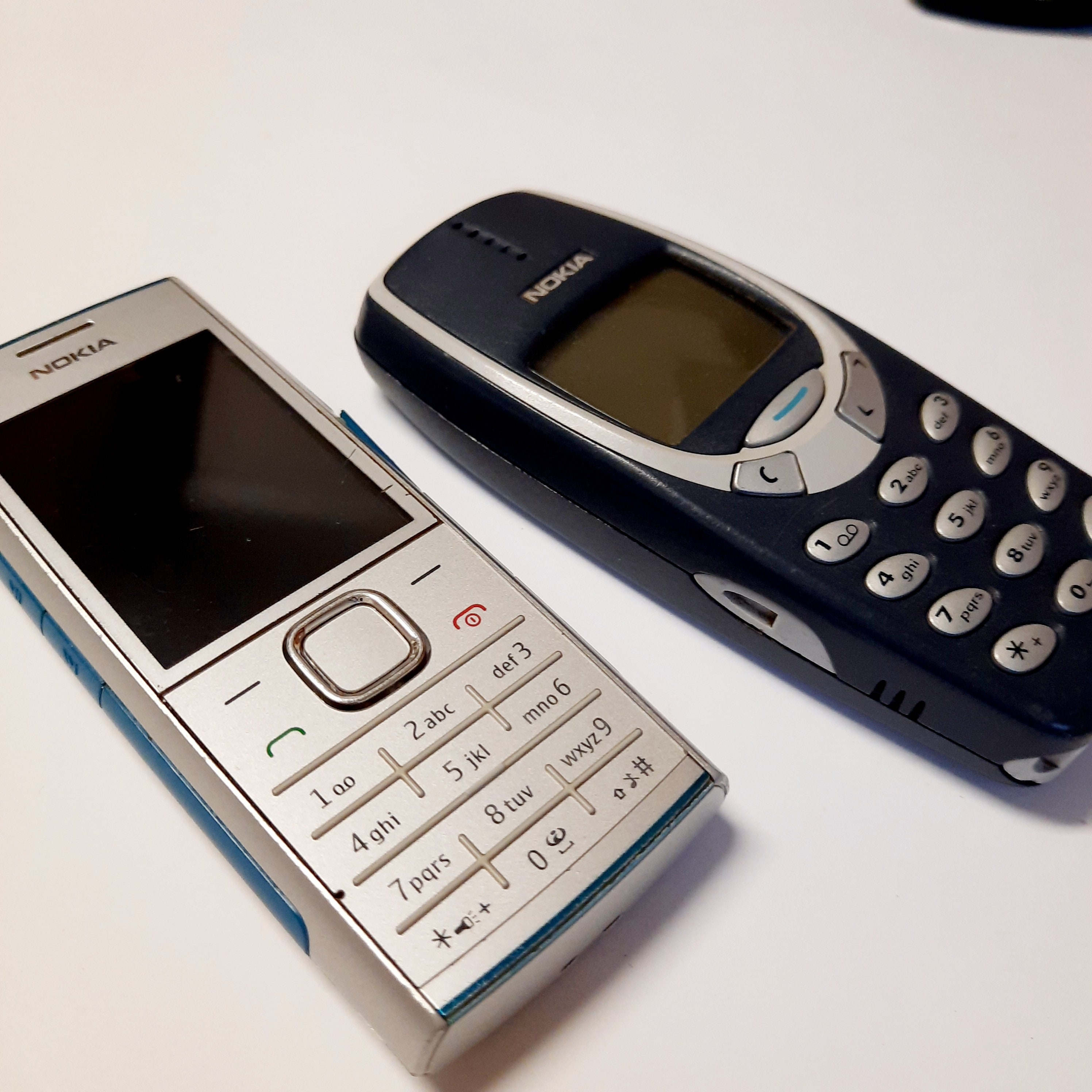
Long before smartphones dominated every pocket, a heavy, dark-blue plastic brick ruled the mobile world. Released in the year 2000 by Nokia, the Nokia 3310 sold over 136 million units globally. Yet its massive sales figures are only half the story. Over the decades, this device transformed from a reliable communication tool into an internet-wide cultural phenomenon. The unbreakable Nokia 3310 meme remains one of the longest-running jokes in digital history, turning a standard consumer electronic into a mythical weapon of mass destruction.
Understanding this phenomenon requires looking past the nostalgia and examining why a phone from the turn of the millennium still dominates social media feeds. While modern glass-backed flagships shatter from a waist-high drop onto carpet, the 3310 earned a reputation for surviving concrete impacts, washing machines, and even vehicle run-overs. This stark contrast between fragile modern engineering and early 2000s tank-like build quality birthed an entire genre of internet humor that refuses to die.
The Anatomy of an Icon: Why the 3310 Was Built Different
To understand the memes, you have to look at the hardware. The Nokia 3310 weighed 133 grams and featured a dense, impact-absorbing polycarbonate shell. It didn't have a high-resolution touchscreen, glass panels, or delicate camera modules. Instead, it relied on a recessed monochrome display and internal components anchored securely to a rigid frame.
When you dropped a 3310, the back cover and battery might pop out across the floor, but the core unit almost always survived intact. You simply snapped the pieces back together, checked your battery indicator—which probably hadn't dropped a single bar—and kept going. This resilience created genuine customer loyalty that modern tech brands spend millions trying to replicate. Further analysis by Bloomberg explores related perspectives on the subject.
Furthermore, the battery life mocked contemporary standards. Equipped with a 900mAh nickel-metal hydride battery, the phone offered up to 260 hours of standby time. People regularly charged their phones once a week and forgot where they put the wall adapter. That combination of endless power and physical immortality laid fertile ground for exaggerated internet hyperbole.
How the Indestructible Phone Meme Evolved Online
The joke didn't start overnight. In the early days of web forums, Reddit, and image boards like 4chan around 2010 to 2012, users began sharing hyperbolic mock reviews and image macros. Early internet humor loved absolute statements, and the Nokia 3310 fit neatly alongside Chuck Norris jokes.
Image macros depicted the phone as an unstoppable force. Common themes included:
- Warning signs advising nuclear plants to use Nokia casings for reactor shields.
- Photos of cracked pavement where a 3310 allegedly fell, as if a meteorite had struck.
- Jokes suggesting that Thor's hammer, Mjölnir, was actually forged from a modified Nokia 3310.
- Sarcastic safety warnings noting that carrying one in your pocket violated local weapons ordinances.
As YouTube grew, creators tested these claims literally. Channels subjected the device to hydraulic presses, shooting ranges, and drops from high-rise balconies. While extreme torture eventually broke the plastic, the phone often survived tests that pulverized modern smartphones instantly. These videos poured fuel on the digital fire, proving that the internet exaggeration was rooted in genuine physical toughness.
Snake II and the Digital Culture of Early Mobile Gaming
No discussion of the 3310 is complete without mentioning Snake II. Long before app stores and microtransactions, this pixelated serpent kept millions entertained during boring commutes and lectures.
The game was brilliantly simple. You guided a growing snake across a grid, eating food pellets while avoiding the boundaries and your own tail. The tactile click of the rubberized keypad provided immediate physical feedback that touchscreens struggle to match. High scores became social currency in schoolyards and offices, cementing the phone's status as an all-around cultural artifact rather than a mere utility tool.
The 2017 Reboot and Modern Relevance
In 2017, HMD Global—the company holding the rights to manufacture Nokia-branded phones—decided to capitalize on this massive nostalgia wave by releasing a modernized Nokia 3310. Featuring a color screen, a 2-megapixel camera, and a fresh coat of bright paint, the reboot grabbed global headlines.
Purists noted that the new version lacked the heavy, tank-like heft of the original 2000 model, but the marketing leaned heavily into the legacy of durability and battery life. Even today, as foldable screens and AI assistants dominate the conversation, the original 3310 remains a shorthand symbol for reliability in a disposable digital age.
Frequently Asked Questions
Was the Nokia 3310 actually indestructible?
No consumer electronic is truly indestructible. The phone could still be broken by heavy industrial machinery, deep water immersion, or intentional abuse. However, compared to modern glass smartphones, its thick plastic shell and lack of fragile internal displays made it exceptionally resistant to everyday drops.
How long did the original battery actually last?
The original 900mAh battery delivered up to 4.5 hours of talk time and up to 260 hours—roughly 11 days—of standby time. Under normal, moderate usage conditions, most users only needed to charge the device once a week.
Who designed the Nokia 3310?
The phone was designed at the Nokia Copenhagen office by a team led by Tancred Arvidsson, with industrial design contributions from Joran Wallber and graphic design by Antti Einari Jokinen.
Why do people compare modern phones to the Nokia 3310?
Modern smartphones prioritize thin profiles, large glass displays, and complex internal components, making them prone to shattering upon impact. The 3310 represents a nostalgic era when consumer electronics were built to prioritize longevity and rugged utility over sleek aesthetics.



