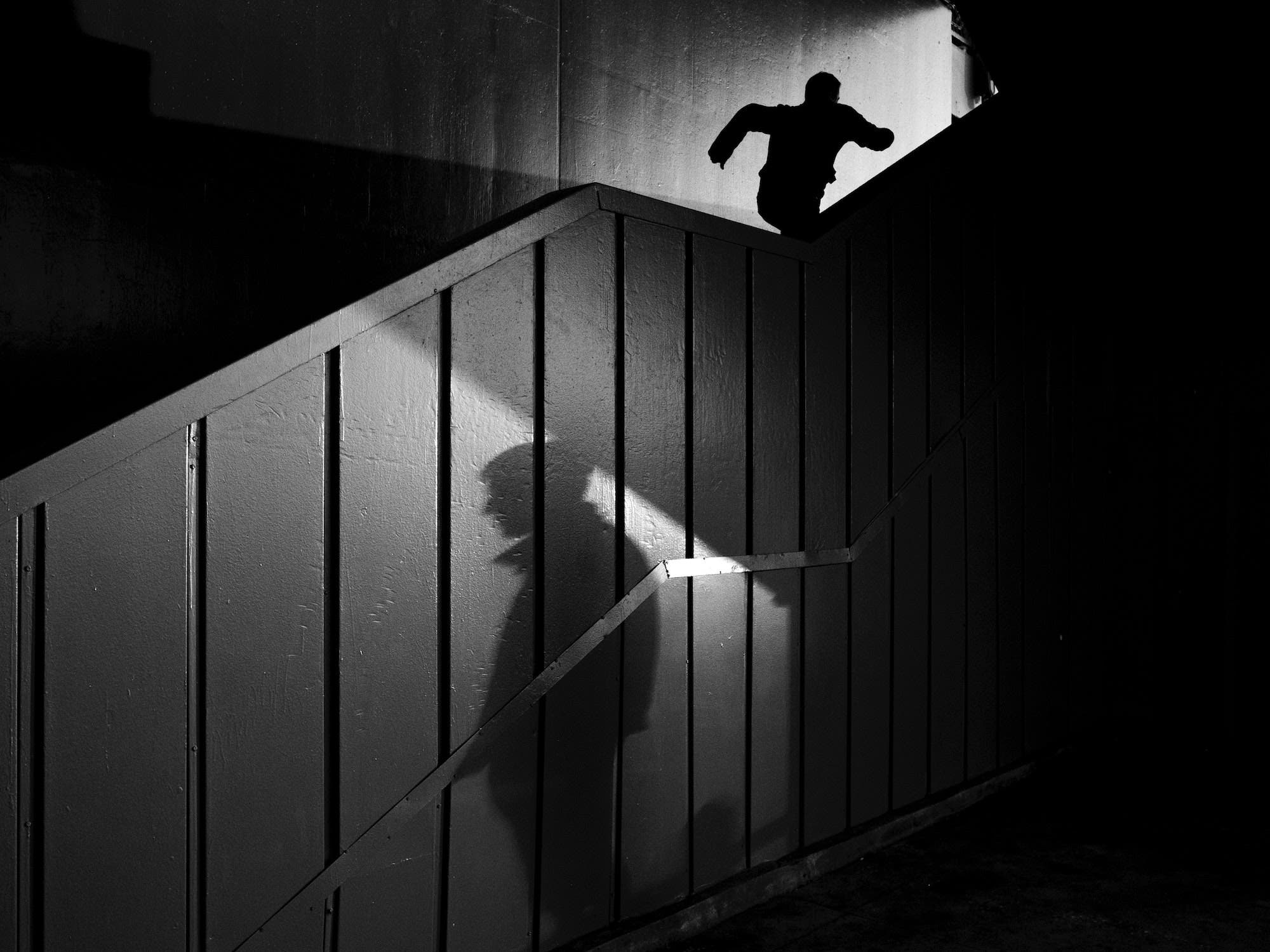
Noir isn't just a collection of old movies featuring trench coats and cigarette smoke. At its core, noir meaning centers on moral ambiguity, psychological dread, and a stark rejection of tidy, happy endings. When the term emerged to describe gritty American crime dramas of the 1940s, it captured a shift in cultural anxiety—one where heroes weren't noble knights, and villains weren't easily separated from the law.
If you're trying to grasp what noir actually represents, you have to look past the fedoras and rainy pavements. It's a worldview rooted in existential doubt and human imperfection. Whether you're analyzing classic cinema, modern neo-noir fiction, or visual arts, understanding this aesthetic requires unpacking its historical roots, its distinct stylistic tropes, and why audiences still crave its dark atmosphere today.
What Does Noir Actually Mean?
The word comes directly from the French for "black," first applied by French critics to describe Hollywood crime thrillers like The Maltese Falcon and Double Indemnity. But dictionary definitions fall short. Noir represents a specific tone of cynical disillusionment.
Unlike traditional mysteries where an amateur sleuth restores order to a disrupted community, noir stories usually trap the protagonist inside the corruption they're investigating. You don't get a neat resolution. You get compromised choices, fatal flaws, and a persistent sense that the system itself is broken.
The Historical Roots of the Genre
Noir didn't appear in a vacuum. It was forged during World War II and the subsequent Red Scare, born from a collision of European expressionist cinema and hardboiled American detective fiction pioneered by writers like Raymond Chandler and Dashiell Hammett.
When German and Austrian filmmakers fled to Hollywood ahead of Nazi persecution, they brought with them a visual language of distorted angles and heavy shadows. Combined with pulp magazines detailing gritty urban crime, this migration birthed an artistic movement that reflected a war-torn world's loss of innocence. You can read more about the historical context of the movement through resources like The Criterion Collection.
Core Characteristics of the Noir Style
To spot true noir, you need to look at both visual choices and narrative mechanics. It's a synchronized dance between how a story is told and how it looks on the screen or page.
- Low-Key Lighting and Chiaroscuro: High-contrast lighting casts sharp shadows, symbolizing hidden motives, trapped characters, and a divided inner self.
- The Anti-Hero: Protagonists are typically cynical, weary private eyes, corrupt cops, or desperate men making one bad choice that spirals out of control.
- The Femme Fatale: A classic archetype who subverts traditional gender roles, using wit and manipulation to navigate a hostile, male-dominated world.
- Urban Decay: Settings are almost exclusively nocturnal cities, rain-slicked alleys, neon-lit bars, and cheap motels that amplify isolation.
Narrative Structure and Pacing
Noir pacing is deliberate, moody, and heavy with internal monologue. Stories frequently rely on flashbacks or framing devices where a character narrates their own inevitable doom. You're watching a slow-motion train wreck where the ending is often hinted at in the opening lines. This structure forces you to focus less on what happens and more on the psychological erosion of the characters experiencing it.
Film Noir Versus Neo-Noir
As cinematic tastes shifted, the original studio era of noir faded by the late 1950s, but the aesthetic evolved. This gave rise to neo-noir—modern updates that take classic tropes and filter them through contemporary lenses.
Where classic noir was bound by strict censorship codes that forced criminals to face justice, neo-noir tears down those guardrails. Films like Chinatown, Blade Runner, and Blood Simple take the foundational cynicism of the genre and apply it to futuristic dystopias, corporate corruption, and modern psychological thrillers. For official cinematic archives and preservation efforts, check out the Library of Congress Film Preservation.
Common Misconceptions About Noir
Many people confuse noir with horror or standard police procedurals, but they operate under entirely different rules.
One major mistake is assuming any movie with a dark color palette qualifies as noir. A superhero movie shot at night isn't noir; it lacks the thematic cynicism and moral vacuum that defines the genre. Noir requires a human cost driven by weakness and greed, not supernatural threats or cosmic battles between absolute good and evil.
Another misconception is that the protagonist has to be a detective. While private investigators are common, noir stories frequently center on ordinary accountants, salesmen, or teachers who stumble into illicit affairs or criminal enterprises and find themselves completely out of their depth.
Frequently Asked Questions
Is noir a genre or a style?
It's both, though many film historians argue it's primarily a tone or a cinematic movement. It cuts across genres, appearing in Westerns, science fiction, and domestic dramas.
Why are shadows so important in noir visuals?
Shadows act as visual metaphors. They represent the dual nature of humanity, hiding secrets, obscuring identities, and showing that characters are often trapped by their own environments.
What is the difference between hardboiled fiction and noir?
Hardboiled fiction focuses on tough, resilient detectives solving crimes in brutal urban settings. Noir focuses more on the victimization and moral decay of ordinary people where survival doesn't guarantee a moral victory.
How did censorship shape classic noir?
The Hays Code in Hollywood strictly regulated moral content from the 1930s to the 1960s, meaning criminals technically had to be punished. Filmmakers circumvented this by focusing heavily on psychological torment and ambiguity, making the internal punishment far worse than any legal sentence.



