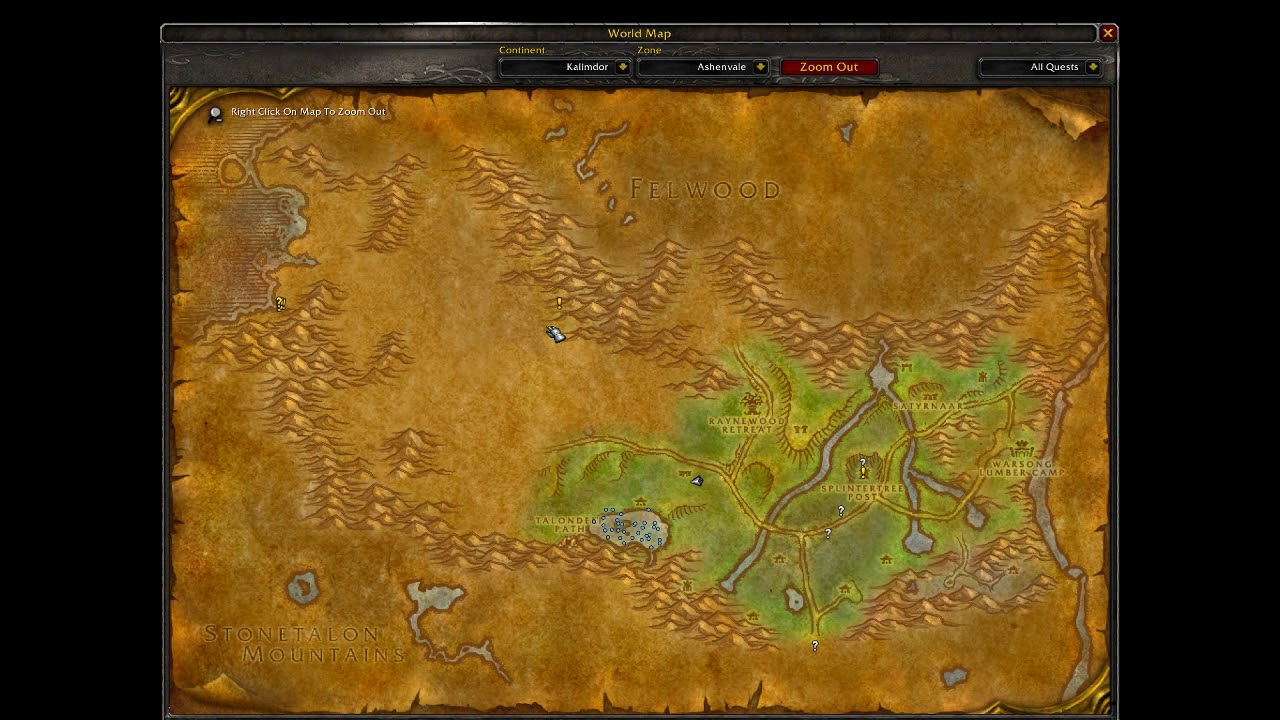
Noclip is a fundamental game engine feature that disables collision detection, allowing characters and cameras to pass straight through solid boundaries. Originally designed as a diagnostic utility for developers, it evolved into an iconic cheat code and a staple of digital exploration.
Understanding how this mechanic operates reveals how virtual environments handle space, boundaries, and physical interaction. Whether you're investigating hidden map boundaries or studying game development, looking under the hood of collision systems clarifies why virtual worlds behave the way they do.
What is Collision Detection?
To understand why noclip works, you first need to look at how video games simulate physical presence. Every object, wall, floor, and character in a 3D environment relies on collision meshes—simplified invisible shapes that dictate where objects can and cannot go.
When you move a character forward, the game engine continuously calculates whether your bounding box intersects with another object's bounding box. If the math says yes, movement stops. This prevents players from falling through the floor or walking straight through buildings.
- Bounding boxes: Simple geometric shapes like boxes or spheres that approximate complex character models for faster calculation.
- Hitboxes: Specialized collision volumes dedicated to registering attacks or interactions.
- Static geometry: Unmoving map elements like terrain and architecture that rarely change position.
The Origin and Purpose of Noclip
Developers needed a way to test vast levels quickly without spending ten minutes walking around a mountain or navigating a labyrinthine castle. Typing a command into the developer console toggled off these physics checks entirely.
Suddenly, designers could fly straight up into the skybox, check lighting parameters from unusual angles, or inspect hidden rooms without triggering normal gameplay rules. It transitioned from an internal developer tool into a popular cheat code in classic titles like Doom and Quake, letting ordinary players peek behind the digital curtain.
Common Use Cases for Developers
- Rapid Level Testing: Moving across massive open maps in seconds instead of running or driving.
- Bug Hunting: Checking if textures align correctly behind walls or if geometry has invisible gaps.
- Machinima Creation: Positioning free-roaming camera angles to capture cinematic shots without player models getting in the way.
How Game Engines Handle Noclip Mechanics
When a player activates this mode, the game engine stops processing collision response matrices for that specific entity. Gravity vectors are often zeroed out as well, allowing the camera or character to float freely along the X, Y, and Z axes.
Modern engines handle this through modular physics components. You can read more about how physics systems operate in open-source engines via the Godot Engine Documentation. If you're curious about low-level hardware rendering, check out resources on graphics pipelines at Khronos Group.
The Risks of Disabling Collisions
Turning off collision handling introduces several predictable quirks into game environments:
- Falling into the void: If you pass through a floor and disable the mode while outside the map boundaries, you'll keep falling infinitely until the game resets or kills the character.
- Unloaded chunks: Many games optimize performance by only rendering rooms you can currently see. Passing through a wall might reveal grey, empty space because the adjacent area hasn't been loaded into memory yet.
- Script breaking: Certain game events trigger only when a player crosses a specific invisible boundary called a trigger volume. Floating past these triggers can break quest progression.
Cultural Impact and Modern Evolution
Beyond development and cheating, the concept birthed entire online subcultures. Internet horror lore heavily features the term to describe accidentally falling out of reality into liminal office spaces. Meanwhile, dedicated speedrunners use precise physics manipulation and boundary clipping to bypass hours of gameplay.
Documentary crews and digital preservationists also adopted the name to highlight the creators behind classic titles, exploring how virtual worlds are built.
Frequently Asked Questions
Is noclip the same as flying?
Not quite. While both often let you move through the air, standard flying usually still respects walls and ceilings. Noclip specifically turns off the physical restriction that blocks you from entering solid objects.
Can you use noclip in multiplayer games?
In competitive online games, using this feature is classified as cheating and results in instant bans. Anti-cheat software monitors memory addresses to ensure physics parameters aren't modified.
Why do speedrunners use clipping exploits?
Speedrunners look for flaws in boundary checks to bypass long corridors, skip cutscenes, or reach end-game areas in record time. It requires pixel-perfect positioning to find where the game engine fails to calculate collisions properly.
Do modern games still include developer console commands?
Many single-player PC games still support developer modes or console inputs, though developers usually disable them in shipping builds or require third-party mods to unlock.



