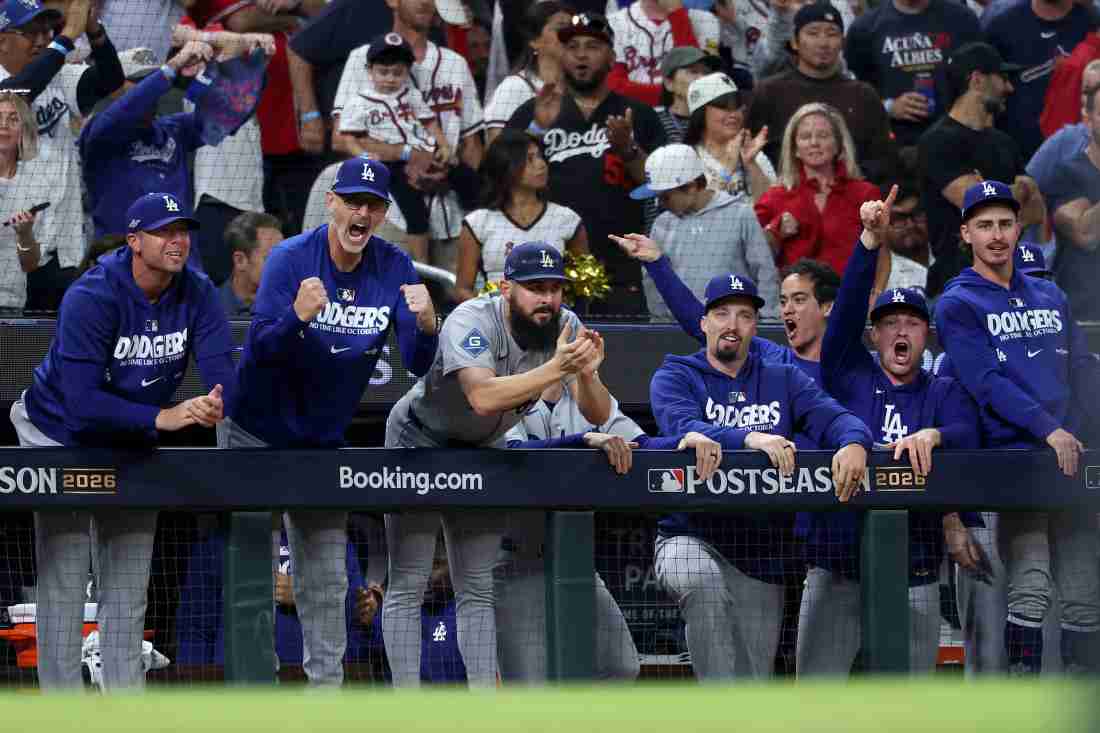
When the Los Angeles Dodgers and the St. Louis Cardinals meet on the diamond, the clash carries deep historical weight and immediate division implications. This rivalry isn't just about a single game on the schedule; it's a test of depth, roster construction, and resilience during a gruelling 162-game Major League Baseball season. If you're tracking how these powerhouse franchises shape the National League pennant race, you need to look past the box scores and examine the broader mechanical pressure of the division race.
The search intent behind this matchup centers on understanding why games between LA and St. Louis matter so much for the National League standings. Fans want to know how head-to-head series swing divisional odds, how front offices manage pitching rotations against elite lineups, and what historical ghosts haunt these encounters. We'll break down the structural realities of this classic NL showdown, what goes into winning these high-leverage series, and how you can evaluate team performance like an analyst.
Understanding the NL West and Central Landscape
The National League features some of the most historic divisions in sports, and the dynamics between the West and Central leagues create unique scheduling pressure. When the Dodgers face the Cardinals, they're dealing with a franchise that has historically capitalized on fundamental baseball, situational hitting, and deep pitching.
To understand why these games spark intense interest, consider the broader architecture of a pennant chase:
- Division dominance requires consistency against both direct rivals and tough inter-league or cross-division opponents.
- Roster depth gets tested heavily during mid-summer stretches when fatigue sets in.
- Late-inning bullpen management often dictates whether a tight game turns into a win or a heartbreaking loss.
The Weight of Historical Matchups
The history between Los Angeles and St. Louis dates back well over a century. They've met thousands of times in the regular season and squared off in high-stakes postseason series like the 2004, 2013, and 2014 NL matchups. When you watch them play today, you're seeing the modern continuation of a classic National League battle.
Teams don't just step onto the field blank-slate; managers know the tendencies of opposing hitters, defensive alignments shift based on years of spray charts, and players feel the historic weight of the jersey. It's why a regular-season series in May or September often feels like October baseball.
Key Strategic Elements in Dodgers-Cardinals Series
Winning a high-profile series comes down to specific tactical advantages. Neither team can rely purely on star power; execution in tight spots defines the outcome.
Pitching Depth and Rotation Management
Facing a lineup featuring elite bats means starting pitchers can't afford mistakes over the heart of the plate. Managers have to decide when to pull a starter before the third time through the order.
- First-pitch strikes: Getting ahead in the count neutralizes aggressive plate approaches.
- Bullpen bridge: Handing the ball to high-leverage relievers in the seventh and eighth innings protects fragile leads.
- Defensive positioning: Shifts and athletic middle infielders cut down routine ground balls that could otherwise turn into rally-starters.
Offensive Approach and Situational Hitting
When runs are at a premium, leaving runners stranded on base kills momentum. The teams that consistently contend for division titles excel at situational hitting—moving runners over with less than two outs and capitalizing on mistakes by opposing relief pitchers.
Common Mistakes Fans Make When Analyzing Series Matchups
It's easy to misinterpret what a single series means for a team's season trajectory. Watch out for these common analytical pitfalls:
- Overreacting to a single game: Baseball is a sport of failure; even the best teams lose 60 games a year. A blown save in May doesn't mean a bullpen is entirely broken.
- Ignoring travel and rest fatigue: West Coast teams playing day games in the Midwest face brutal body-clock adjustments. Checking the schedule context is vital.
- Looking only at batting averages: Modern analytics prioritize on-base percentage and slugging over raw batting average, as highlighted in breakdowns by sources like MLB.
Frequently Asked Questions
How do tiebreakers work in the National League standings?
If teams finish the regular season with identical records, MLB utilizes head-to-head record during the regular season as the primary tiebreaker to determine playoff seeding and division crowns, eliminating traditional one-game tiebreaker playoffs.
Why is the Dodgers-Cardinals rivalry significant?
While rivalries like Dodgers-Giants or Cardinals-Cubs get more press for local animosity, the Dodgers and Cardinals represent two of the most successful National League franchises in history, frequently colliding in deep October runs and pennant races.
How does travel impact West Coast teams playing in St. Louis?
Teams flying from Los Angeles to St. Louis lose two hours and often play day games following night travel, which can temporarily disrupt hitter timing and pitcher recovery windows.
Where can I check live MLB standings and updates?
You can follow official game updates, live scores, and up-to-the-minute standings directly on the Official MLB Website.



