Getting your car inspected in New Jersey doesn't have to mean wasting an entire morning sitting in a massive queue. If you know how the system works, you can breeze through the process, dodge unnecessary fines, and keep your vehicle running clean. Let's look at what it takes to get your vehicle checked out without the headache.
Most passenger vehicles registered in New Jersey need an emissions inspection every two years. New vehicles get a five-year new-car decal before needing their first check, while older models require regular visits to state-operated or private licensed facilities. The primary focus of the test is clean air, meaning technicians plug into your car's computer system rather than checking your brakes or steering components manually. Understanding where to go, what documents to bring, and how to prep your car will save you time and money.
Understanding New Jersey Inspection Rules
New Jersey shifted its inspection program years ago to focus strictly on environmental emissions rather than mechanical safety. That means state inspectors won't fail your car for worn wiper blades, cracked windshield glass outside the direct driver view, or minor suspension noises. Instead, they check your onboard diagnostics (OBD-II) system for 1996 and newer gasoline-powered vehicles.
If your vehicle is older than 1996, it goes through a traditional tailpipe emissions test. Electric vehicles are entirely exempt from emissions testing, though they still need initial registration. Knowing these distinctions keeps you from stressing over minor cosmetic issues that won't impact your inspection results.
Where and How to Schedule Your Inspection
You have two main paths for getting your vehicle inspected in New Jersey: state-run inspection stations or private licensed inspection facilities. State stations are free, but they often feature long wait times during peak hours. Private repair shops charge a small labor fee, but they let you book a specific time slot.
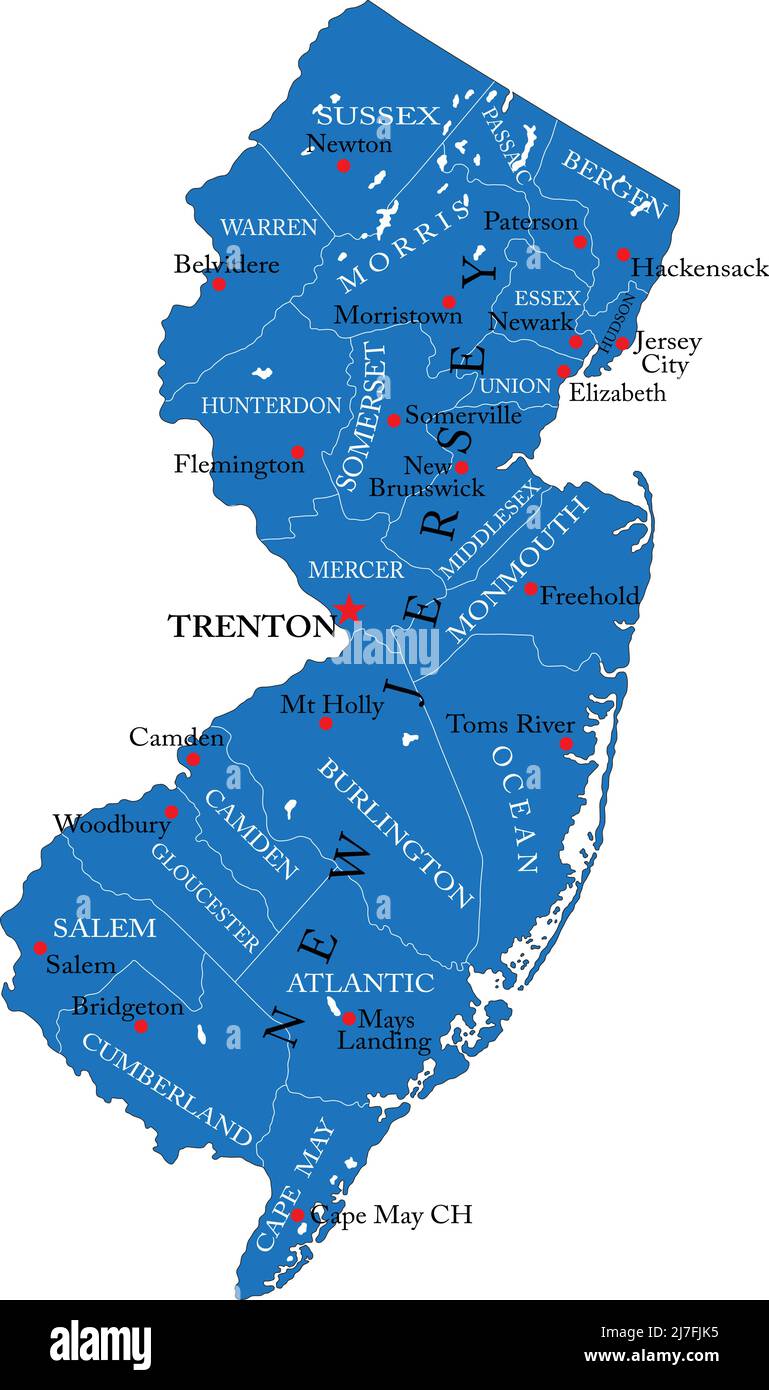
Most state inspection lanes operate on a drive-up basis without appointments. However, a few specific locations—such as Cape May, Salem, and Washington—require you to book an appointment ahead of time. You can check live wait times on the New Jersey Motor Vehicle Commission website before leaving your driveway to see which station has the shortest queue.
What to Bring With You
Showing up unprepared means getting sent to the back of the line. Make sure you keep these items handy in your glove box:
- A valid driver's license belonging to the operator.
- Current vehicle registration card.
- Valid insurance card (physical or digital screen).
Preparing Your Car to Pass the First Time
The most common reason cars fail a New Jersey inspection isn't mechanical failure—it's unready computer monitors. If you recently disconnected your car battery, cleared a check engine code, or bought a new battery, your car's internal computer resets its diagnostic monitors. Driving straight to an inspection station immediately after a battery change results in an automatic "not ready" rejection.
You need to drive your car for roughly 50 to 100 miles under mixed city and highway conditions so the computer can run its internal self-tests.
Dealing with the Check Engine Light
If your check engine light is illuminated on your dashboard, your car will automatically fail the emissions test.
- Scan the diagnostic trouble codes using an OBD-II reader or visit an auto parts store for a free scan.
- Fix the underlying mechanical or electrical issue causing the fault.
- Clear the codes and drive the vehicle through a complete drive cycle to reset the monitors.
- Verify that the check engine light stays off before heading to the inspection station.
Common Mistakes That Cost Time and Money
Drivers often make avoidable errors that turn a simple ten-minute errand into a multi-day ordeal. One major mistake is waiting until the absolute last day of the expiration month. If your car fails and requires repairs, you run a high risk of driving with an expired sticker and facing municipal fines. Give yourself at least a three-week window before the sticker expires.
Another misstep is ignoring minor dashboard warnings that don't trigger the check engine light but indicate poor fuel combustion. A dirty mass airflow sensor or a loose gas cap can cause intermittent emissions spikes. Tighten your gas cap until it clicks firmly every time you fuel up to prevent minor evaporative leak codes.
Frequently Asked Questions
What happens if my car fails the inspection?
You won't get a ticket immediately, but you are given a temporary rejection sticker and a printed report detailing why the car failed. You have up to one month to fix the problem, retest the vehicle, and get your valid inspection sticker.
Can I get my inspection done out of state?
No. New Jersey does not accept inspection stickers or out-of-state emissions tests. If your vehicle is stationed out of state for college or military service, you must check the MVC website for temporary out-of-state inspection exemption options or extensions.
How much does a state inspection cost?
Going through an official state-run MVC inspection lane is completely free. If you choose a private licensed repair facility for convenience or appointments, they are permitted to charge a reasonable diagnostic and labor fee for their time.
Do diesel vehicles require testing?
Yes. Diesel-powered passenger vehicles registered in New Jersey are subject to smoke opacity tests and OBD-II scans depending on their model year and Gross Vehicle Weight Rating (GVWR).
Can I paint or tint my front windshield?
New Jersey law strictly prohibits any aftermarket tint, film, or spray on the front windshield and front side windows, aside from a small manufacturer-approved strip at the absolute top of the glass. While safety checks don't flag tint anymore, police can pull you over and issue separate traffic summonses for illegal window obstruction.



