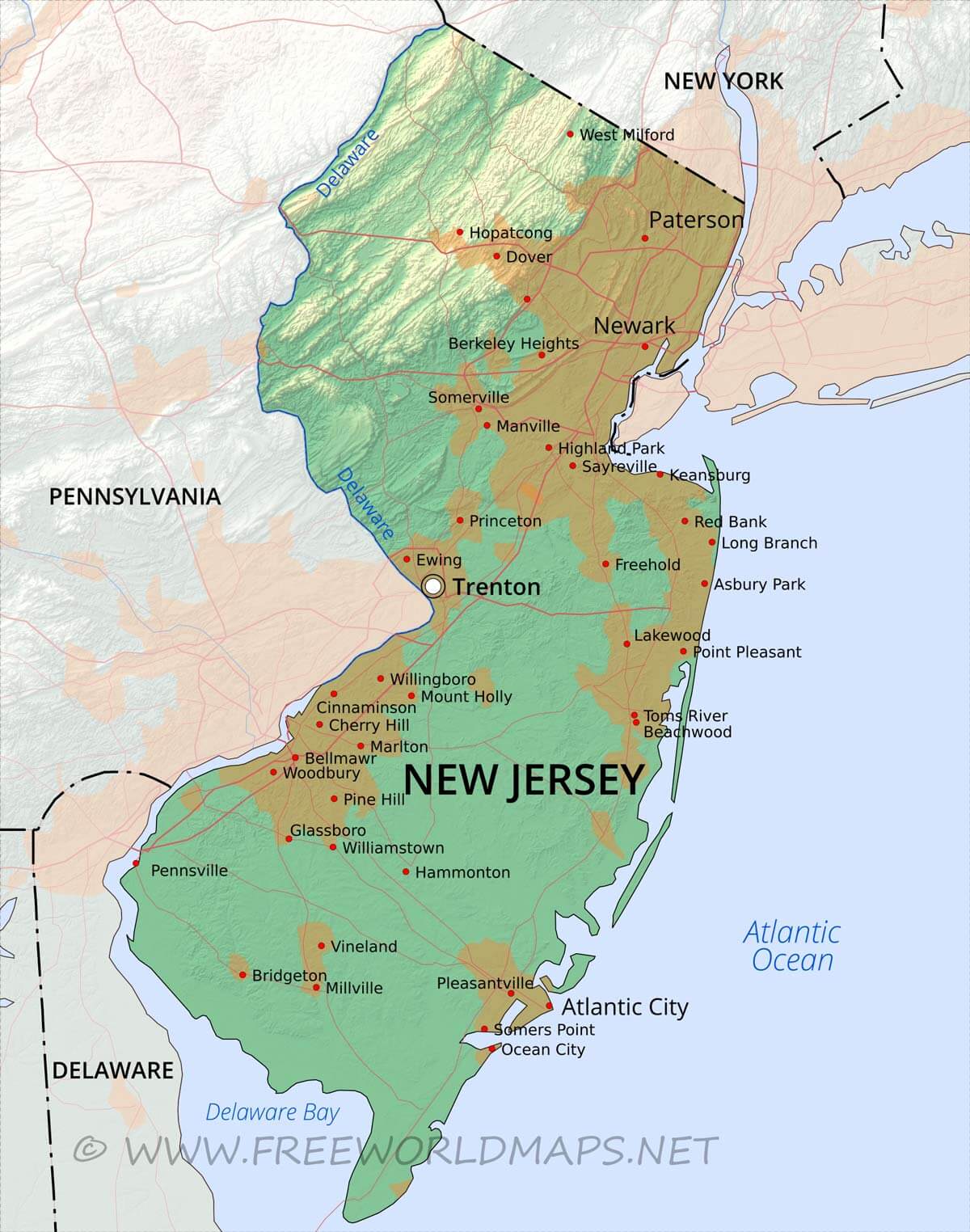
Traveling from New Jersey to New York City by train is the fastest way to bypass highway gridlock, bridge tolls, and expensive Manhattan parking garages. Whether you're commuting daily for work or heading into town for a weekend Broadway show, understanding how the rail systems connect makes your trip completely painless.
You'll catch most trains out of major hubs like Newark Penn Station, Secaucus Junction, or Trenton, feeding directly into New York Penn Station (Moynihan Train Hall) or Hoboken Terminal. Two primary rail networks dominate this corridor: New Jersey Transit (NJ Transit) and Amtrak, supplemented by the Port Authority Trans-Hudson (PATH) rapid transit system for underground connections.
Understanding Your Rail Options
Choosing the right train depends entirely on where you're starting your journey in New Jersey and where you need to emerge in Manhattan.
NJ Transit operates eleven distinct rail lines across the state. Most suburban lines feed into Secaucus Junction or Newark Penn Station, where passengers transfer seamlessly for cross-platform connections straight to New York Penn Station. Trains run from early morning until past midnight, with peak frequencies during rush hour dropping to every few minutes.
Amtrak shares the Northeast Corridor tracks with NJ Transit. While significantly more expensive, Amtrak provides high-speed, long-distance regional service connecting Trenton, Newark, and New York Penn Station without intermediate local stops. It's a smart upgrade if you're traveling during off-peak hours and want reserved seating, but it's rarely necessary for standard commuter hops.
The PATH system operates independently from NJ Transit. It connects Newark, Harrison, Journal Square, and Hoboken directly to lower Manhattan (World Trade Center) and midtown Manhattan (33rd Street). If your final destination is closer to Greenwich Village or Wall Street than Penn Station, PATH is often faster and cheaper than taking NJ Transit into Midtown.
Major Routes and Key Hubs
Every corner of New Jersey hooks into the Manhattan rail network through a few essential arteries.
The Northeast Corridor Line runs from Trenton up through New Brunswick, Edison, Elizabeth, and Newark, terminating at New York Penn Station. This is the busiest and most reliable line, offering frequent express and local options throughout the day.
The North Jersey Coast Line stretches all the way down to Bay Head along the Jersey Shore, passing through Long Branch, Asbury Park, and Matawan before merging into the Northeast Corridor tracks at Rahway. Many peak-direction trains run straight through to New York Penn Station without requiring a transfer at Newark.
Morris and Essex Lines originate in Netcong or Gladstone, converging at Summit and Newark Broad Street before splitting. Some branches run directly into Hoboken Terminal, while Midtown Direct trains travel through the Kearny connection straight into New York Penn Station.
Pascack Valley and Main/Bergen County Lines primarily serve northern New Jersey and portions of southern New York State, terminating at Hoboken Terminal. From Hoboken, you can instantly hop on a PATH train or an easy ferry across the Hudson River to reach Manhattan.
Fares, Tickets, and Apps
Buying tickets doesn't have to be confusing if you use digital tools.
The official NJ Transit App allows you to purchase one-way, round-trip, or monthly passes directly on your phone. You simply activate your ticket right before boarding and display the digital barcode to the conductor. Buying onboard trains incurs a hefty surcharge, so always secure your ticket before stepping onto the platform.
Fares depend on your origin zone and destination. A typical ride from Newark to New York Penn Station costs around five to seven dollars, while trips originating further down the line near Trenton or the coast range from fifteen to twenty dollars one-way. Monthly passes offer steep discounts for regular commuters.
If you ride frequently, linking your payment card or setting up an account saves time. Keep in mind that NJ Transit tickets expire after thirty days if left unactivated, so don't stockpile passes unless you plan to use them immediately.
Common Mistakes to Avoid
First-time riders often stumble over a few easily preventable operational traps.
Don't confuse your train tracks at major transfer stations like Secaucus Junction. Always check the overhead departure boards rather than relying on habit, because track assignments shift frequently based on rolling stock positioning and minor delays.
Never throw away your ticket after passing through an automated turnstile. Some stations require your ticket to exit, and conductors routinely check tickets mid-journey on moving trains.
Don't wait until the last minute during peak rush hours. Trains leaving New Jersey between 7:00 AM and 9:00 AM fill up rapidly at suburban stops. Arriving ten minutes early ensures you find a comfortable seat instead of standing in the aisle for thirty minutes.
Frequently Asked Questions
Can I use my smartphone for NJ Transit tickets?
Yes. The NJ Transit mobile app stores your purchased tickets digitally. You activate the ticket seconds before the conductor walks down the aisle to scan the barcode.
Is Amtrak faster than NJ Transit?
Amtrak trains generally skip local stops, making the run from Newark to New York Penn Station slightly faster. However, NJ Transit Northeast Corridor express trains match Amtrak's speed on most daily commuter runs at a fraction of the cost.
What happens if I miss my connecting train?
Your one-way or round-trip ticket is valid for any train on the specified route for the date printed on the ticket. You simply catch the next available departure without needing to exchange or re-purchase your fare.
Are pets allowed on the trains?
Small domestic pets carried in closed, secure pet carriers that do not occupy a seat or block aisles are permitted on NJ Transit trains during off-peak hours. Service animals are welcome at all times.


