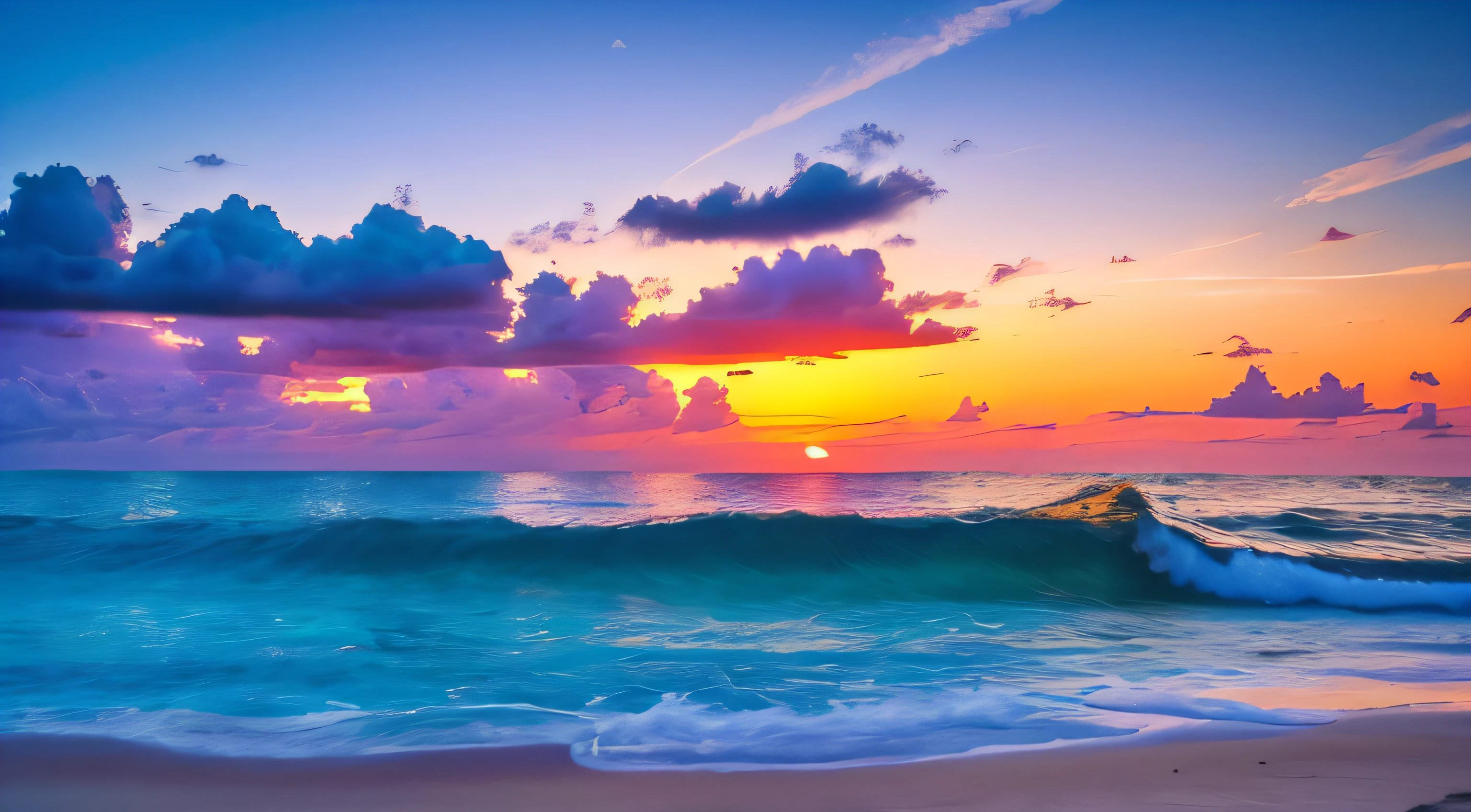
When you're chasing the evening light across the Garden State, knowing exact timing and prime viewpoints changes everything. Sunset today in New Jersey varies significantly depending on your exact latitude, coastal proximity, and local horizon obstructions. If you're planning an evening shoot or a scenic walk, exact math and geography dictate when the sky peaks.
Across New Jersey, sunset times shift by roughly a minute or two daily, moving from early winter troughs around 4:30 PM to late summer peaks near 8:31 PM. Because the state spans roughly 166 miles north to south, coastal towns like Cape May often experience slight timing variations compared to northern mountain outposts like High Point. You can check precise, minute-by-minute calculations for your specific town using the National Oceanic and Atmospheric Administration Solar Calculator or local forecasts on the National Weather Service Philadelphia/Mount Holly office page.
Top Spots to Catch the Sunset in New Jersey
Geography dictates the quality of your evening view. While the competitor article speaks generally about skies and atmospheric physics, photographers and outdoor enthusiasts need specific locations that maximize horizon visibility.
- Cape May Promenade: Positioned at the state's southern tip, this spot offers rare ocean-facing sunsets during late fall and winter months, where the sun dips directly into the Atlantic Ocean.
- Liberty State Park: Located in Jersey City, this waterfront park frames the lower Manhattan skyline against the fading amber light of the Hudson River.
- High Point State Park: Sitting at the highest elevation in the state at 1,803 feet, the view from the monument stretches across ridges into Pennsylvania and New York, providing expansive high-altitude color shifts.
- Delaware River Heritage Trail: Western river towns like Lambertville and Stockton offer dramatic reflections off the water, flanked by historic industrial bridges and rolling hills.
The Science of Garden State Colors
Why do some evenings feature fiery crimsons while others fade into dull gray? It's not just luck; it's atmospheric chemistry. Rayleigh scattering explains why blue light scatters easily while red wavelengths reach your eyes. However, local weather patterns dictate the intensity.
Dry, high-pressure systems following a cold front typically produce the most vivid colors. When storms clear out, airborne particulate matter drops, leaving clean air that allows long wavelengths to dominate without interference from dense humidity or smog. Conversely, high humidity and stagnant summer haze scatter light diffusely, often resulting in washed-out pastel pinks rather than deep oranges.
Essential Gear for Sunset Photography
If you're heading out to capture the moment, relying on a smartphone isn't always enough to handle high dynamic range scenes.
- Sturdy Tripod: As light drops rapidly during the blue hour, shutter speeds slow down. A tripod eliminates blur during long exposures.
- Polarizing Filter: Cuts glare off water surfaces along the coast or rivers, saturating the blues and oranges in the sky.
- Backup Batteries: Cold evening temperatures drain lithium-ion batteries faster than expected, especially during late autumn shoots.
Common Mistakes When Timing Your Arrival
Many observers miss the best colors because they arrive just as the sun touches the horizon. That's a rookie mistake.
- Arriving too late: The most intense colors—often called the afterglow—occur 10 to 20 minutes after the sun has officially dipped below the horizon.
- Ignoring cloud cover forecasts: Total overcast ruins the view, but mid-level clouds (altocumulus) catch light from underneath, creating dramatic fiery skies. Check satellite loops before driving out.
- Forgetting local horizons: Hills, tall buildings, and tree lines mean the sun disappears from your view up to 15 minutes before official sunset times.
Frequently Asked Questions
What time is sunset in New Jersey today?
Exact sunset times change daily based on the calendar and your specific coordinates within the state. You can verify the exact minute for your zip code using official meteorological tools like the Time Zone and Astronomical Data tracker.
Why is the sky pink after the sun goes down?
This phase is known as twilight or the alpenglow. Sunlight passes through the upper atmosphere and reflects off airborne particles and high-altitude clouds, scattering longer red wavelengths back down to earth long after the direct solar disc is gone.
Which part of New Jersey has the best sunset views?
Coastal areas along the Delaware Bay (such as Le England or Cape May Point) provide unobstructed western water views, which are rare on the East Coast. Meanwhile, elevated points in the Skylands region offer panoramic valley views.
Do sunsets look different in summer versus winter?
Yes. In summer, the sun sets in the northwest, casting long shadows across northern ridges. In winter, it sets in the southwest, changing the angle of light hitting urban skylines and southern beaches.



