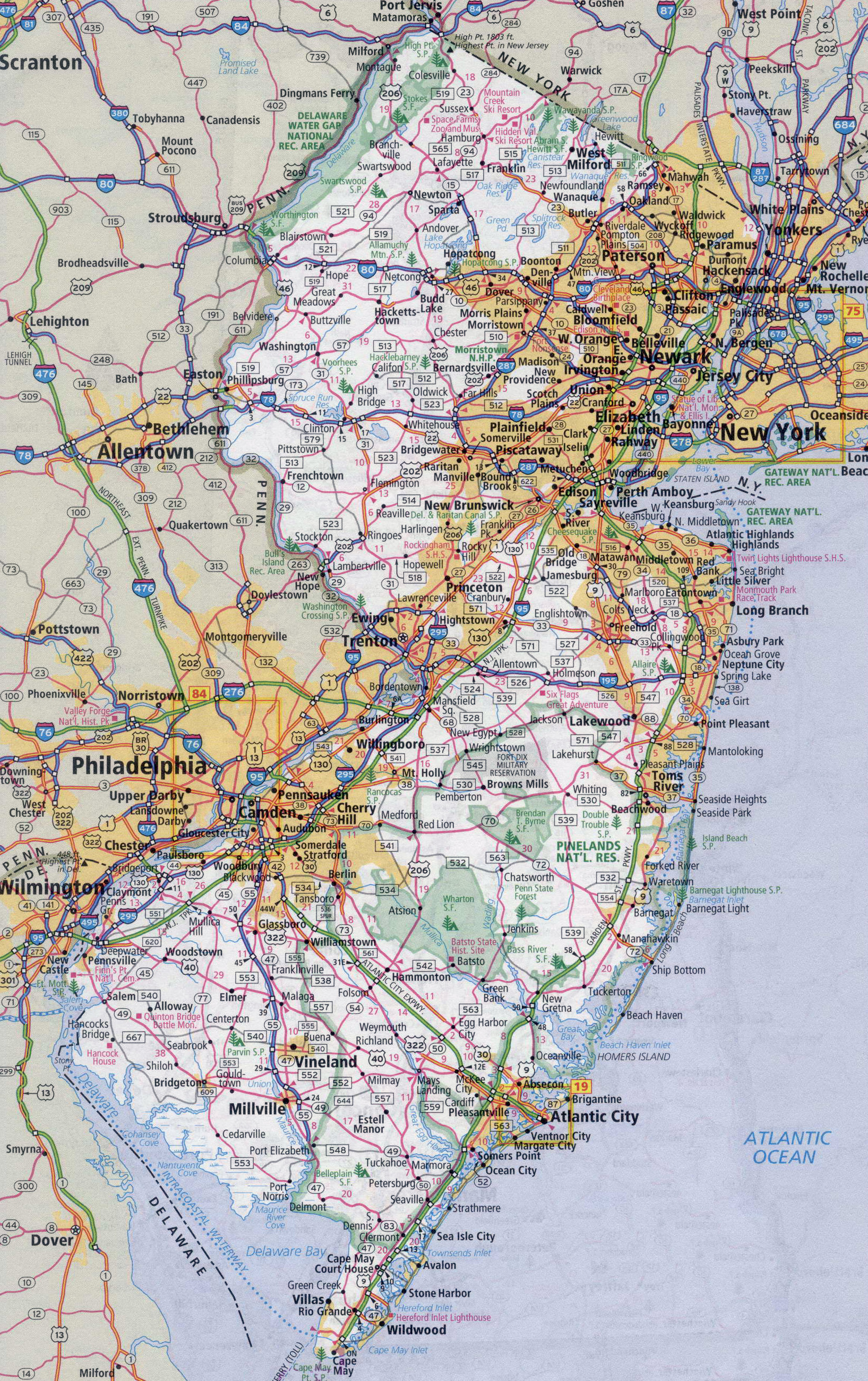
Navigating vehicle renewals in New Jersey can feel like a chore, but heading to the right facility makes all the difference. The NJ Motor Vehicle Lodi Inspection Station handles thousands of local cars every week, checking everything from tailpipe emissions to suspension safety. If your renewal notice just landed in your mailbox, knowing what to expect before you pull into the lane saves you time, frustration, and potential re-tests.
New Jersey streamlined its state-mandated vehicle evaluation rules, moving away from mechanical safety checks for standard passenger vehicles while tightening emission standards. This station, located in Bergen County, processes high volumes of traffic daily. Understanding their specific operating rhythms, test procedures, and common failure points ensures you breeze through the inspection line without a hitch.
What the Lodi Inspection Station Actually Checks
Many drivers assume state inspectors run a comprehensive bumper-to-bumper diagnostic on every car. In reality, modern New Jersey inspection guidelines focus heavily on environmental compliance rather than mechanical wear.
When your car enters the inspection bay, technicians hook up to your vehicle's onboard diagnostics system. Here is what they look at: Additional information regarding the matter are explored by Associated Press.
- On-Board Diagnostics (OBD): For most gasoline-powered vehicles model year 1996 and newer, inspectors plug an interface cable into your dashboard's diagnostic port. They check if your computer system is communicating properly and whether any emission control monitors are tripped or showing error codes.
- Emissions Test: If your car is older or falls outside the OBD electronic check, it may go through a tailpipe gas analysis to measure hydrocarbon, carbon monoxide, and nitrogen oxide levels.
- Gas Cap Check: Inspectors visually check or pressure-test your fuel filler cap to ensure vapors don't escape into the atmosphere. Missing or cracked caps fail instantly.
Standard passenger cars in New Jersey no longer undergo mandatory state checks for brakes, steering, or suspension alignment. However, keeping those components sound remains vital for your safety on Route 46 or Interstate 80.
Hours, Location, and Best Times to Visit
Timing your visit to the Lodi facility on Main Street can mean the difference between a ten-minute pit stop and a two-hour wait.
The station typically operates from Tuesday through Saturday, closing on Sundays, Mondays, and state holidays. Doors usually open early in the morning around 8:00 AM and close by late afternoon. Saturdays are notoriously packed because local commuters try to knock out their errands on the weekend.
- Best Arrival Windows: Pull into the queue mid-morning on a Wednesday or Thursday, or right when the gates open on a Tuesday.
- Peak Rush Times: Saturday mornings and the final week of any month see massive backups spilling onto nearby roadways as procrastinating drivers rush to beat expiration dates.
You can check official wait times and updates directly on the New Jersey Motor Vehicle Commission website before heading out.
How to Prepare Your Vehicle for Inspection
Failing an inspection is frustrating, but most failures happen because of simple oversights that drivers ignore. A little prep work at home eliminates most common failure triggers.
- Check Your Dashboard: If your check engine light is illuminated, you will fail automatically before testing even begins. Even if you cleared the code with a scanner yesterday, the internal computer needs time to run its self-diagnostics and set readiness monitors. If you reset the code right before driving in, you'll get rejected for "not ready" monitors.
- Inspect the Gas Cap: Look closely at the rubber seal on your gas cap. Dry rot, cracks, or a loose fit will cause an immediate emissions failure.
- Clear Out Visual Obstructions: Ensure your windshield is free of massive cracks directly in the driver's line of sight, and make sure your license plates are clean, securely bolted, and clearly visible.
If you bought your vehicle brand new, New Jersey gives you a five-year grace period before its first inspection. Used vehicles from out of state or older models generally require testing every two years. Review your registration card to confirm your exact expiration window.
What Happens If You Fail Your Inspection?
If your vehicle fails the test at the Lodi station, don't panic. Inspectors will hand you a printed vehicle inspection report detailing the exact reason for the failure.
You receive a temporary rejection sticker that gives you a grace period—usually until the end of the following month—to get the issue repaired and return for a re-test. You can take the car to any licensed repair shop or mechanic of your choice. Once repairs are complete, bring the vehicle back to the Lodi station or a designated reinspection facility. Skip the main inspection queue for re-tests; most stations have a dedicated lane specifically for vehicles returning after repairs.
Neglecting a failed inspection or driving with an expired sticker risks traffic stops, municipal fines, and potential points on your driver's license.
Frequently Asked Questions
Do I have to pay a fee for inspection at the Lodi station?
No. State-operated inspection facilities in New Jersey do not charge a fee for standard mandatory inspections. The cost is already factored into your vehicle registration fees.
Can someone else take my car to the Lodi station for me?
Yes. You do not need to be the registered owner of the vehicle to drive it through the inspection line. As long as you have a valid driver's license, current vehicle registration, and active insurance card, anyone can bring the car in.
What documents do I need to bring with me?
You must bring your vehicle's current New Jersey registration card and a valid insurance card. Keep your driver's license handy as well, though the registration and insurance are the primary documents checked.
What if my check engine light is on?
An illuminated check engine light results in an automatic failure during the OBD test. You must diagnose and fix the underlying engine fault, ensure the computer monitors are set, and clear the code before passing.
Are electric vehicles required to visit the inspection station?
Fully electric vehicles are exempt from tailpipe and emissions testing in New Jersey. However, you must still ensure your registration is up to date and follow current MVC administrative guidelines for alternative-fuel vehicles.



