New Jersey is transforming how families and unpaid caregivers access support, moving away from fragmented assistance toward coordinated home and community-based services. If you're managing care for an aging parent, a relative with a disability, or navigating the state's healthcare system, understanding these programs can make a major difference in reducing daily stress and financial strain.
At the center of this shift is NJ FamilyCare, New Jersey's publicly funded health insurance program that includes coverage for long-term services and supports (LTSS). Rather than treating family caregivers as invisible helpers, state policies increasingly recognize them as essential partners in care. Through managed care organizations, Area Agencies on Aging, and targeted waiver programs, families now have access to structured guidance, respite care options, and financial assistance.
Here is a breakdown of how New Jersey's support systems operate, how to qualify, and practical steps you can take to access these resources.
The Evolution of Caregiver Support in New Jersey
For decades, family caregivers carried out complex medical and daily living tasks with little formal training or financial compensation. New Jersey's recent policy updates focus on integrating home-based care into the broader medical framework.
Managed care organizations contracted through the state's Medicaid program now coordinate physical health, behavioral health, and long-term support services under one umbrella. This structure helps families avoid bouncing between isolated agencies. Instead, a designated care manager works with the household to build a comprehensive plan that addresses medical needs, home modifications, and daily personal care.
Key Shifts in State Policy
- Recognition of Family Labor: Policies increasingly allow eligible individuals to direct Medicaid funds toward family members who provide daily care, formalizing compensation for vital work.
- Expansion of Home-Based Options: State data shows steady growth in home and community-based service utilization, reflecting the preference of most older adults to age in place rather than enter institutional facilities.
- Workforce Development: Investments in specialized training cover dementia care, safe patient handling, and navigating cultural or linguistic barriers for home health aides and family providers.
How Managed Care Organizations and LTSS Work
When an individual qualifies for New Jersey Medicaid and requires long-term care, they typically enroll in a managed long-term services and supports program. Managed care organizations handle the administration of these benefits, assessing what level of care is required—ranging from intermittent home visits to continuous daily assistance.
A care coordinator evaluates the household to determine what supports are missing. This might include personal care assistants to help with bathing and dressing, adult day health programs that offer social engagement and relief for primary caregivers, or specialized medical equipment installed in the home.
Assessing Your Level of Need
To receive long-term support services through NJ FamilyCare, beneficiaries must meet specific clinical and financial eligibility criteria:
- Clinical Need: The individual must require "nursing facility level of care," meaning they need hands-on assistance with multiple activities of daily living, such as eating, transferring, bathing, or medication management.
- Financial Thresholds: Medicaid rules examine income and asset limits, though specific pathways exist for individuals with higher medical expenses through medically needy or waiver-based programs.
- Functional Assessment: A state or managed care representative conducts an in-home or virtual assessment to document daily care requirements and establish a tailored care plan.
Financial and Respite Resources for Families
Burnout is one of the most significant risks for unpaid family caregivers. New Jersey provides several avenues to secure temporary relief and financial support, though navigating the application process requires patience.
Area Agencies on Aging
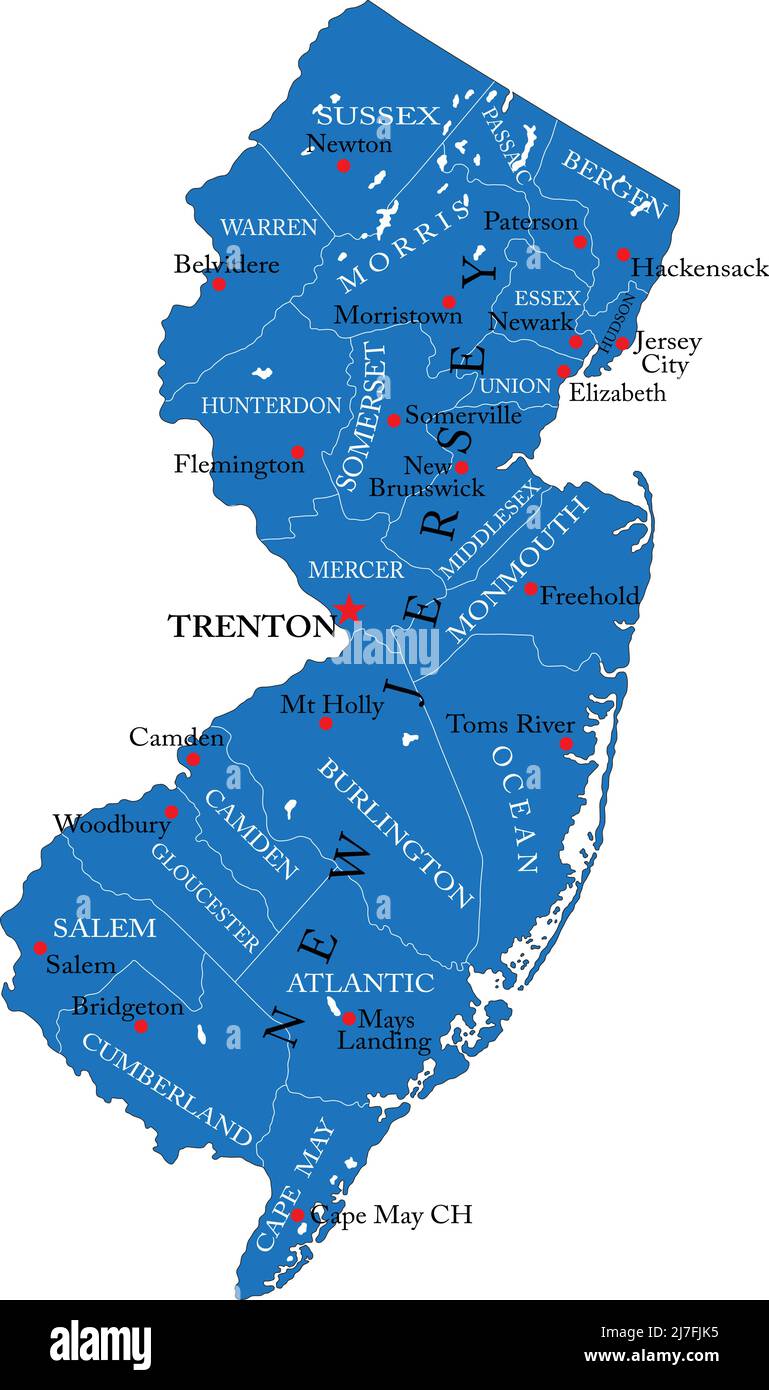
Every county in New Jersey operates an Area Agency on Aging (AAA). These local offices serve as the primary entry point for older adults and their families. AAAs offer information, referral services, and direct caregiver support programs funded through the federal Older Americans Services Act.
Local agencies coordinate respite care grants, which pay for temporary relief workers so primary caregivers can take a break, attend personal appointments, or manage work commitments. They also run educational workshops covering medication management, coping strategies for behavioral changes, and legal planning basics.
Consumer-Directed Care Options
Certain NJ FamilyCare plans incorporate self-direction models. These programs allow eligible participants or their representatives to manage a budget allocated for home care. Depending on the specific waiver rules, participants can hire, train, and direct individuals of their choosing—including certain family members—to provide personal care services. This approach gives households more control over daily schedules and ensures that care is delivered by someone the participant already trusts.
Common Mistakes When Navigating New Jersey Caregiver Programs
Families often encounter stumbling blocks that delay access to benefits or increase administrative frustration. Avoiding these common errors can streamline your journey:
- Waiting for a Crisis: Families frequently wait until a sudden fall, hospitalization, or rapid health decline forces a rushed decision. Starting conversations and contacting your county Area Agency on Aging early allows you to explore options calmly.
- Confusing Regular Medicaid with Long-Term Care Programs: Standard medical coverage through NJ FamilyCare does not automatically include long-term services and supports. You must apply for and complete a separate functional and financial assessment for LTSS.
- Attempting to Navigate Alone: Trying to coordinate medical records, financial documents, and managed care appeals without guidance leads to burnout. Lean on county case managers, elder law attorneys, or social workers who know the system's nuances.
- Overlooking Respite Grants: Many caregivers assume financial aid is only available for full-time institutional care, missing out on local grants that specifically fund short-term in-home or facility-based respite care.
Frequently Asked Questions
Can I get paid as a family caregiver in New Jersey?
Yes, under specific NJ FamilyCare managed long-term services and supports programs that offer consumer-directed care options. If the care recipient meets clinical and financial criteria, they may be allotted a budget to hire personal care assistants, which can include eligible family members, subject to program rules and background checks.
How do I apply for long-term care supports through NJ FamilyCare?
You can start by contacting your local county Area Agency on Aging or calling your managed care organization if the individual is already enrolled in Medicaid. An intake specialist will guide you through the financial application process and schedule a clinical evaluation to determine the required level of care.
What is the difference between an Area Agency on Aging and Medicaid?
An Area Agency on Aging is a local county-level organization that provides general information, respite grants, caregiver counseling, and community-based services regardless of income. Medicaid is a joint federal and state health insurance program with strict financial and medical eligibility rules that pays for long-term care services like personal care assistants and nursing facilities.
Are there support groups specifically for dementia caregivers in New Jersey?
Yes. Organizations such as the Alzheimer's Association Greater New Jersey Chapter, alongside county AAAs and local health systems, offer regular virtual and in-person peer support groups designed to help caregivers manage the emotional and physical demands of progressive cognitive diseases.


