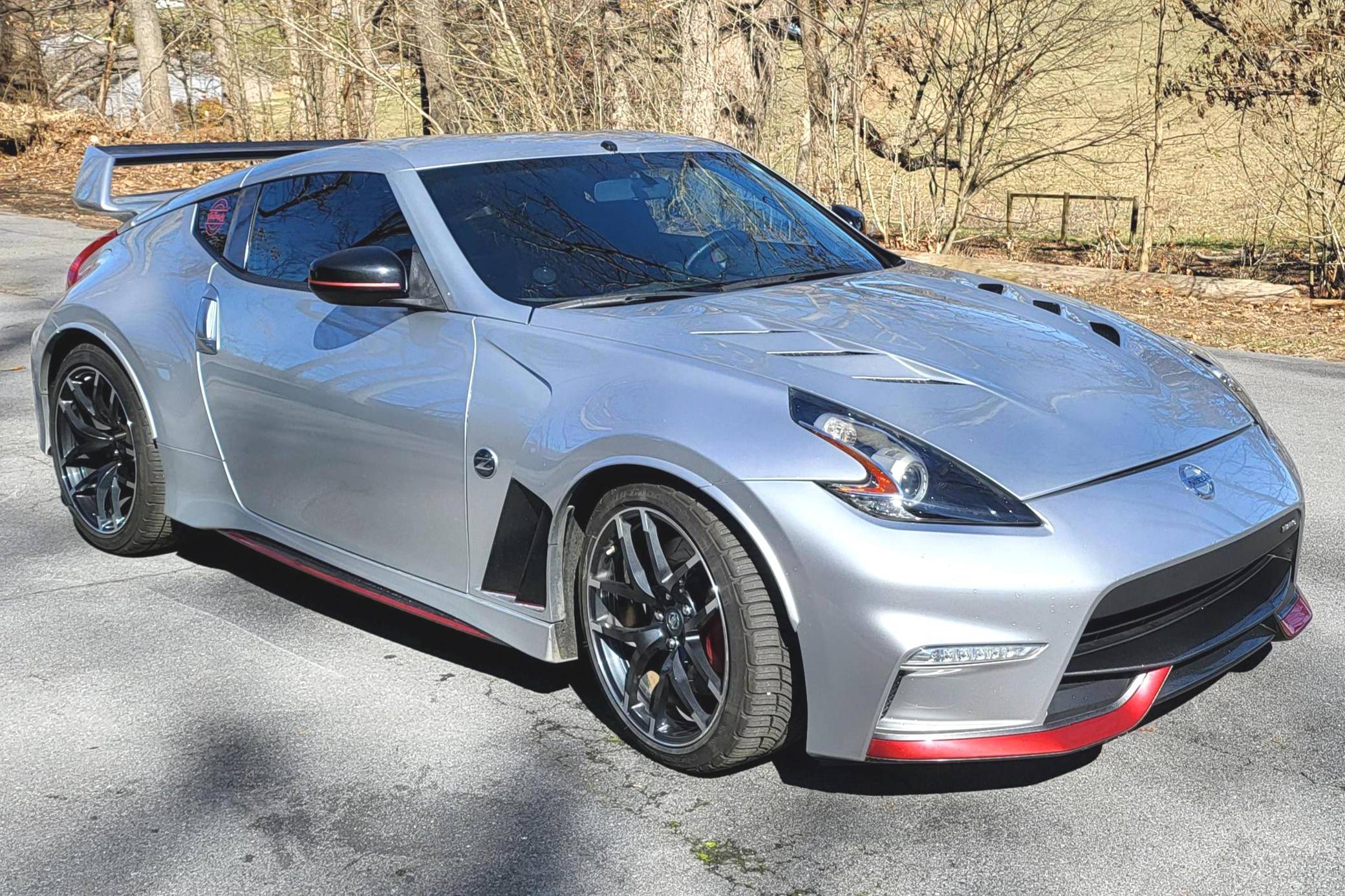
The Nissan 370Z hits 0 to 60 mph in roughly 4.7 to 5.2 seconds depending on transmission and driver technique. If you've read online forums or questionable spec sheets claiming a 4.0-second sprint for a stock Z, you've bumped into a persistent internet myth. Nissan's factory sports car packs a 3.32-liter naturally aspirated V6 engine pushing 332 horsepower, but physics, curb weight, and gearing tell a very different story than dealership hype.
Let's cut straight to why this gap exists. The online myth usually stems from confusing modified builds with factory stock performance, or misreading rolling start metrics as standing launches. Stock manual models typically settle around 5.2 seconds due to tall gearing and clutch protection, while the seven-speed automatic hits 60 mph slightly quicker at around 4.7 seconds thanks to aggressive short-ratio tuning in sport mode. Understanding how to extract real-world performance requires looking past the brochure and digging into the mechanical reality of the platform.
Factory Specs Versus Real Asphalt Numbers
When Nissan launched the Z33 successor, official marketing material and enthusiast magazines tested the car across various conditions. The disparity between professional test track runs and everyday street performance frustrates many new owners.
- Manual Transmission (6-Speed): Factory-rated weights and professional driver runs usually hit 60 mph in 5.1 to 5.3 seconds. On typical public pavement, shifting delays and rear-wheel hop push that closer to 5.5 seconds.
- Automatic Transmission (7-Speed): Equipped with downshift rev matching and quicker gear swapping, factory automatic trims record 4.7 to 4.9 seconds under ideal track prep.
- Nismo Editions: Packing 350 horsepower, factory Nismo variants trim a tenth or two off the base figures, landing consistently around 4.8 seconds for manuals due to optimized exhaust backpressure and revised ECU tuning.
Magazine testers often used aggressive clutch dumping on prepped drag strips—methods most owners avoid to protect their manual transmissions from premature differential or clutch wear.
Why Stock 370Zs Struggle Off the Line
The core mechanical hurdle for the Z's acceleration is its torque curve and weight distribution. The VQ37VHR engine loves to rev, but it doesn't build peak torque (270 lb-ft) until 5,200 RPM. Off-the-line acceleration requires slipping the clutch or loading the torque converter to avoid a massive dip in engine momentum.
Weight plays another limiting factor. Tipping the scales at roughly 3,300 to 3,400 pounds, the car isn't heavy by modern standards, but it lacks the brute low-end shove of forced-induction rivals like the Nissan GT-R or turbocharged contemporaries. Without instant turbo boost, you have to wait for the engine to climb into its power band.
The Role of Traction and Tire Setup
Factory Bridgestone Potenza tires provided solid grip for their era, but worn rubber or cold asphalt turns rear-wheel-drive power into wheel spin instantly. Drivers trying to launch hard on worn tires will watch their tachometer spike while barely moving forward.
- Tire Temperature: Cold rubber has minimal grip. Warming up tires through regular driving or controlled friction dramatically improves launch traction.
- Surface Condition: Dust, sand, and moisture on public roads add significant wheel slip, destroying launch times.
- Tire Pressure: Running factory pressures is fine for daily driving, but slight adjustments can alter contact patches during track days.
Modifications That Actually Improve Acceleration
If you want to beat factory acceleration numbers, throwing random parts at your Z won't fix the underlying bottlenecks. Real improvements require addressing airflow restriction and power delivery.
First, invest in a quality cat-back exhaust and cold air intake system. The factory exhaust routing features restrictive bends that trap heat and exhaust gases. Freeing up backpressure helps the engine breathe better at high RPMs.
Second, consider a professional ECU tune. Factory engine management maps favor strict emissions and fuel economy, resulting in sluggish throttle response and safe, rich air-fuel ratios. Custom dyno tuning unlocks smoother power delivery and optimized ignition timing.
Finally, upgrade your final drive gear ratio. Swapping the stock differential gears for a 4.08 final drive ratio transforms how the car accelerates through the lower gears, making it feel much faster from a dead stop.
Frequently Asked Questions
Is the manual or automatic 370Z faster 0-60?
The seven-speed automatic is typically slightly faster in 0-60 testing because it shifts faster than humanly possible and maintains consistent boost or RPM drop between gears. The manual offers more driver engagement but requires precise clutch work to match automatic times.
Can a stock 370Z hit 60 mph in under 4.5 seconds?
No. A stock, unmodified 370Z cannot achieve sub-4.5-second times on standard asphalt. Any claims of 4.0-second runs involve forced induction (turbochargers or superchargers), heavy weight reduction, or prepped track conditions.
What RPM should I launch a manual 370Z at?
For a clean launch without bogging the engine or smoking the clutch, most drivers target between 3,000 and 4,000 RPM while slipping the clutch smoothly rather than dropping it abruptly.
Does the Z34 handle better than it accelerates?
Yes. The 370Z chassis shines most in twisty canyon roads and track corners rather than straight-line drag strips. Its short wheelbase and independent suspension provide exceptional feedback compared to muscle cars of the same era.



