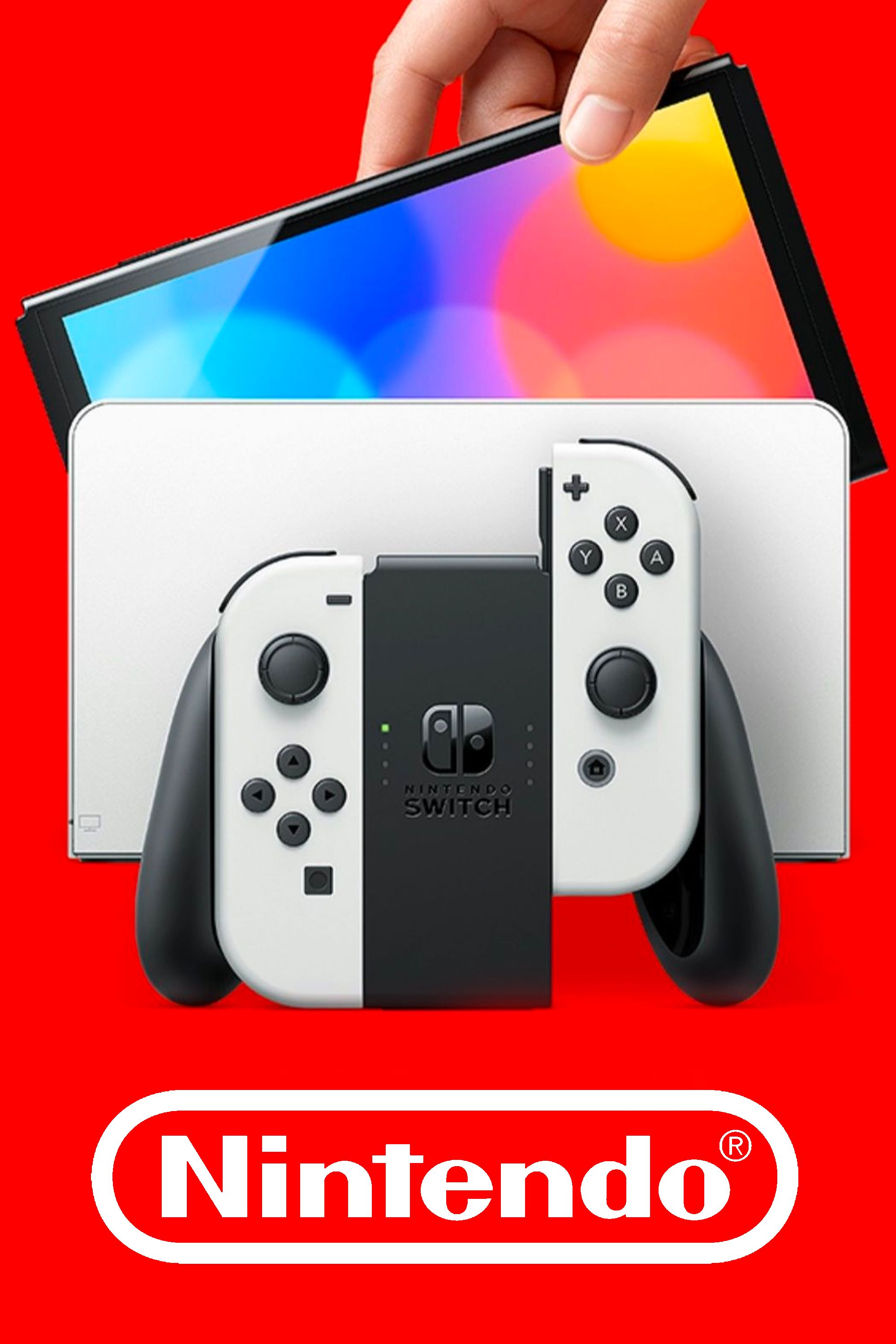
When Nintendo brought core franchise titles and remakes to modern hardware, the landscape of digital nostalgia shifted permanently. The phrase Nintendo Switch Pokémon games ports usually brings to mind how legacy mechanics transitioned into the HD era, bridging generations of players who grew up on monochrome screens and dual-screen handhelds. Rather than simple cash-in re-releases, these projects reshaped how classic monsters, regions, and combat loops interact with contemporary expectations.
Evaluating these software transitions requires looking past simple visual upgrades. From the experimental integration of mobile mechanics in Let's Go, Pikachu! and Let's Go, Eevee! to the faithful structural remakes like Brilliant Diamond and Shining Pearl, the Switch era redefined what fans expect from a retro port. They serve as mechanical time capsules that alter how entire player cohorts experience past decades of franchise history.
Bridging the Generation Gap: From Handhelds to HD
The transition from dedicated portable consoles like the Game Boy Advance and Nintendo 3DS to a hybrid home system changed how developers handled classic assets. Older iterations relied heavily on pixel grid limitations and strict hardware boundaries. When classic formats were re-envisioned for the Switch, developers faced a stark choice: preserve pixel-art authenticity or rebuild spaces entirely in 3D.
Take the evolution seen in titles bridging past eras. The shift allowed core gameplay loops to benefit from unified cloud storage via Pokémon HOME, meaning creatures caught across different eras could finally coexist in a single ecosystem.
- Unified Storage: Players could pool decades of collection efforts into one digital hub.
- Control Harmonization: Traditional D-pad inputs merged smoothly with modern analog sticks and motion controls.
- Accessibility: Younger audiences accustomed to modern rendering standards could experience classic Sinnoh or Kanto regions without tracking down aging hardware.
The Let's Go Experiment: Redefining Kanto for Everyone
Released early in the console's lifecycle, Pokémon: Let's Go, Pikachu! and Let's Go, Eevee! acted as a bridge between the mobile phenomenon Pokémon GO and mainline handheld entries. Instead of relying on random wild encounters, these ports utilized visible overworld sprites and simplified catching mechanics.
This design choice alienated purists initially, yet it successfully expanded the audience base. By removing repetitive random battles in tall grass, the pacing accelerated dramatically. Players explored Kanto with a modernized visual polish that honored the original 1996 blocky sprites while giving them fluid, charming three-dimensional models. It proved that legacy codebases could be restructured into entry-level experiences without losing the core identity that built the franchise.
Faithfulness Versus Modernization in Sinnoh
When ILCA took the reins on Brilliant Diamond and Shining Pearl, the industry sparked fierce debates regarding port fidelity versus modern innovation. Opting for a 1:1 architectural recreation of the original 2006 Nintendo DS maps, these titles kept original tile layouts and encounter rates intact.
[Original DS Code/Layout] ---> [Chibi Visual Overhaul] ---> [Modern Quality of Life Additions]
This approach highlighted a central tension in video game preservation. While older fans appreciated the exact recreation of notorious difficulty spikes like Cynthia's Garchomp, others lamented the omission of mechanical improvements introduced later in the series. It demonstrated that simply porting or strictly remaking historical design choices comes with distinct trade-offs regarding modern player comfort.
Quality of Life Shifts That Changed How We Play
Older iterations featured notoriously punishing progression systems—HMs clogging move pools, slow movement speeds, and tedious box management. Modern hardware iterations changed these standards permanently:
- Automatic Experience Share: Eliminated hours of grinding individual team members.
- Box Access Anywhere: Removed the mandatory trip to a Pokémon Center just to swap party members.
- Move Relearning: Allowed flexibility in competitive builds without strict penalties for early-game choices.
These shifts changed how casual players approach completionism. Replaying older regions no longer meant enduring archaic inventory hurdles, letting the core narrative and exploration take center stage.
Common Misconceptions About Switch Franchise Ports
Many players assume that every historical entry is readily available on Nintendo's hybrid system through digital stores. In reality, the catalog relies heavily on standalone releases rather than a comprehensive virtual console library.
- The Virtual Console Myth: Unlike past systems, the Switch lacks a direct Game Boy or DS marketplace for buying original unedited versions of older generations.
- Remake vs. Port Distinction: Titles like Brilliant Diamond and Shining Pearl are built from scratch on new engines rather than direct code ports of the original ROMs.
- Save Compatibility: Cross-generation transfers require external cloud applications rather than direct link cable simulations.
Frequently Asked Questions
Can you play original Game Boy Pokémon games on the Nintendo Switch?
No, original unedited Game Boy or Game Boy Advance entries are not natively playable as direct digital purchases on the standard Switch eShop, unlike previous Nintendo hardware generations.
Are Pokémon Sword and Shield considered ports?
No, Sword and Shield are entirely original mainline entries built specifically for the hardware generation, introducing the Galar region rather than porting past assets.
Do modern Switch releases support backward compatibility with 3DS games?
Direct local communication between 3DS cartridges and the Switch is impossible. All legacy transfers must route through cloud infrastructure.
How do the Let's Go titles differ from traditional mainline games?
They replace random wild battles with an active motion-control catching mechanic inspired by mobile gameplay, while omitting traditional abilities and held items.



