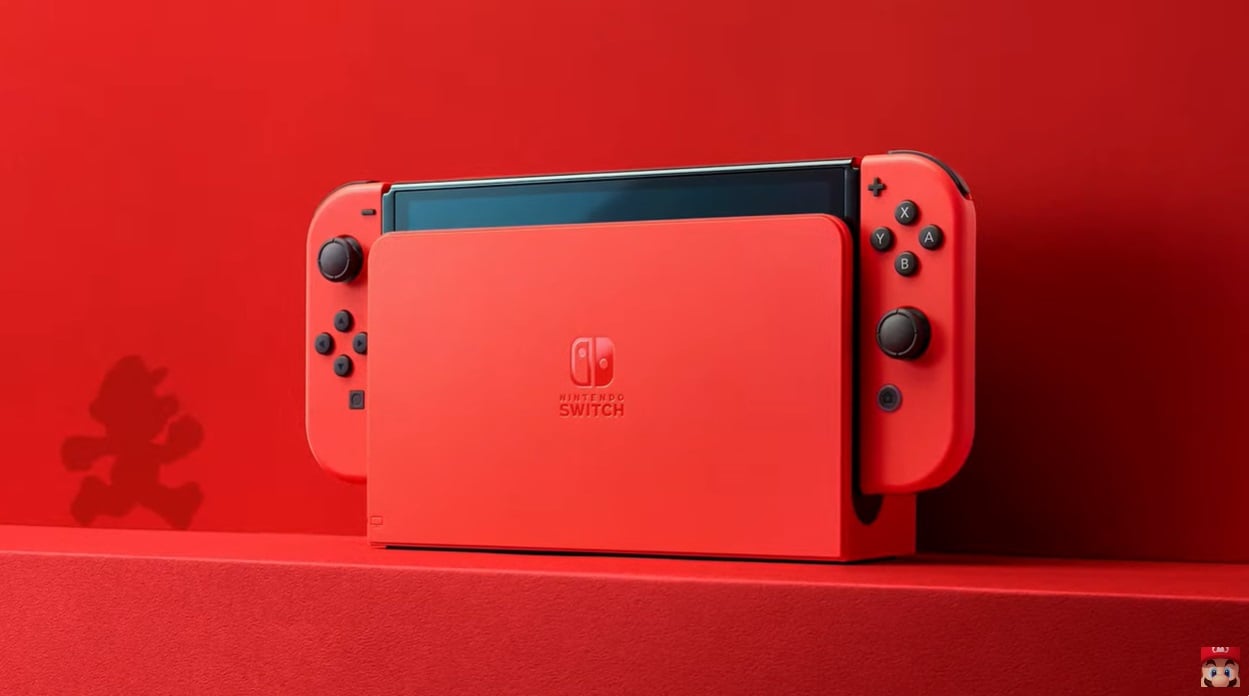
If you've been tracking gaming rumors, you've likely heard whispers about Nintendo Switch Daybreak. It's the rumored internal codename for Nintendo's next-generation hardware platform. While the original Switch launched back in 2017 and surpassed 150 million lifetime sales according to Nintendo, aging portable hardware struggles to run modern, demanding software titles. Daybreak represents the company's hardware response to this technological ceiling.
Instead of relying on vague speculation, let's break down what industry leaks, supply chain patterns, and patent filings actually reveal about Nintendo's next console. We'll examine expected performance targets, hardware upgrades, and realistic launch timelines without the hype.
Understanding the Daybreak Codename
Industry codenames often leak through manufacturing partners, customs shipping logs, or software developer kits. The moniker Daybreak surfaced via supplier reports indicating a shift in Nintendo's hardware strategy. Unlike minor hardware revisions such as the OLED model or the Lite, Daybreak points toward a distinct platform generational leap.
Most analysts expect the system to ditch older Nvidia Tegra architecture in favor of a modern custom system-on-chip. This upgrade aims to solve persistent performance bottlenecks that developers face when porting current-generation games to handheld hardware.
Expected Hardware Specifications
Current generation console standards have shifted dramatically since 2017. To stay competitive, a new Nintendo device needs significant internal enhancements. Based on supply chain leaks and known custom silicon capabilities, here's what developers anticipate:
- Processor and Graphics: A shift toward newer ARM-based architecture supporting advanced rendering techniques.
- Upscaling Technology: Integration of custom hardware-accelerated upscaling solutions to deliver crisp resolutions on external displays without crushing the battery.
- Memory and Storage: A substantial bump in RAM capacity alongside faster flash storage speeds to eliminate stuttering asset loads.
- Cooling Systems: Patent filings suggest more sophisticated active cooling solutions, allowing sustained performance during long handheld play sessions.
For example, running resource-heavy titles on portable hardware requires managing thermal output carefully. Without improved cooling, processors throttle down, destroying frame rates. Nintendo's recent patents show customized fan configurations designed specifically for compact chassis layouts.
Backward Compatibility and Software Support
One of the biggest questions players ask is whether their existing digital and physical libraries will transfer over. Historically, Nintendo has mixed track records with backward compatibility. However, moving away from fragmented architectures makes maintaining library continuity much easier for modern developers.
Industry sources indicate that Nintendo is prioritizing some form of backward compatibility to protect consumer investment and prevent a dry launch-window software drought. Without a strong library on day one, any new console struggles to gain momentum.
Developers are also looking for simplified software development kits. The easier it is to scale existing Unreal Engine or Unity projects down to Nintendo's hardware parameters, the more third-party AAA support the platform will secure.
Form Factor and Design Evolution
The hybrid concept—transitioning seamlessly between television play and handheld mode—remains Nintendo's core competitive advantage. It's safe to assume Daybreak won't abandon this formula, but the physical execution will likely evolve.
- Controller Rail Mechanics: Magnetic or sturdier locking mechanisms to replace the wobblier rails found on original Joy-Cons.
- Display Technology: Modern panels with slimmer bezels, higher peak brightness, and improved energy efficiency.
- Ergonomics: Redesigned grip angles on the main chassis to reduce hand fatigue during extended handheld sessions.
Common Mistakes When Following Console Rumors
It's easy to fall into traps when reading tech news online. Keep these pitfalls in mind:
- Confusing Patents with Final Products: Nintendo patents hundreds of experimental controller designs and cooling concepts that never leave the R&D lab.
- Expecting PS5 Performance in a Pocket: Handheld physics impose strict power and thermal limits. Daybreak won't match a dedicated desktop graphics card.
- Believing Unverified Leak Accounts: Social media accounts often invent specs for clout. Stick to reliable supply chain analysts and financial reports.
Frequently Asked Questions
Is Daybreak an official name?
No. Daybreak is an industry codename gathered from leaks and reports. Nintendo hasn't confirmed the final retail name of the console.
Will my old Nintendo Switch games work?
While official confirmation is pending, industry analysts strongly expect Nintendo to include backward compatibility to ensure a smooth software transition.
When will Nintendo officially reveal the console?
Nintendo typically announces hardware months ahead of its commercial release, prioritizing production ramp-ups to avoid severe supply shortages.
Will the controllers be upgraded?
Leaked patents and ergonomic adjustments suggest redesigned controllers with more durable analog sticks to address past hardware durability complaints.



