Passing the National Incident Management System (NIMS) IS-100 exam requires understanding foundational emergency management principles rather than memorizing rigid question banks. Administered by the Federal Emergency Management Agency (FEMA), this introductory course establishes the standard framework used nationwide for public safety, law enforcement, and disaster response. When you understand the core architecture of the Incident Command System (ICS), you don't just clear the final test; you gain practical competence for handling real-world incidents.
The exam consists of multiple-choice questions designed to test your comprehension of command structures, resource management, and multi-agency coordination. You'll have a set time limit on the FEMA Independent Study portal, and you need a passing score of seventy-five percent or higher to earn your official certificate. This guide breaks down the essential concepts, typical question patterns, and study strategies that ensure you pass on your first attempt.
Understanding the Incident Command System
The Incident Command System forms the backbone of the NIMS framework. It's a standardized, scalable tool designed to integrate facilities, equipment, personnel, procedures, and communications operating within a common organizational structure.
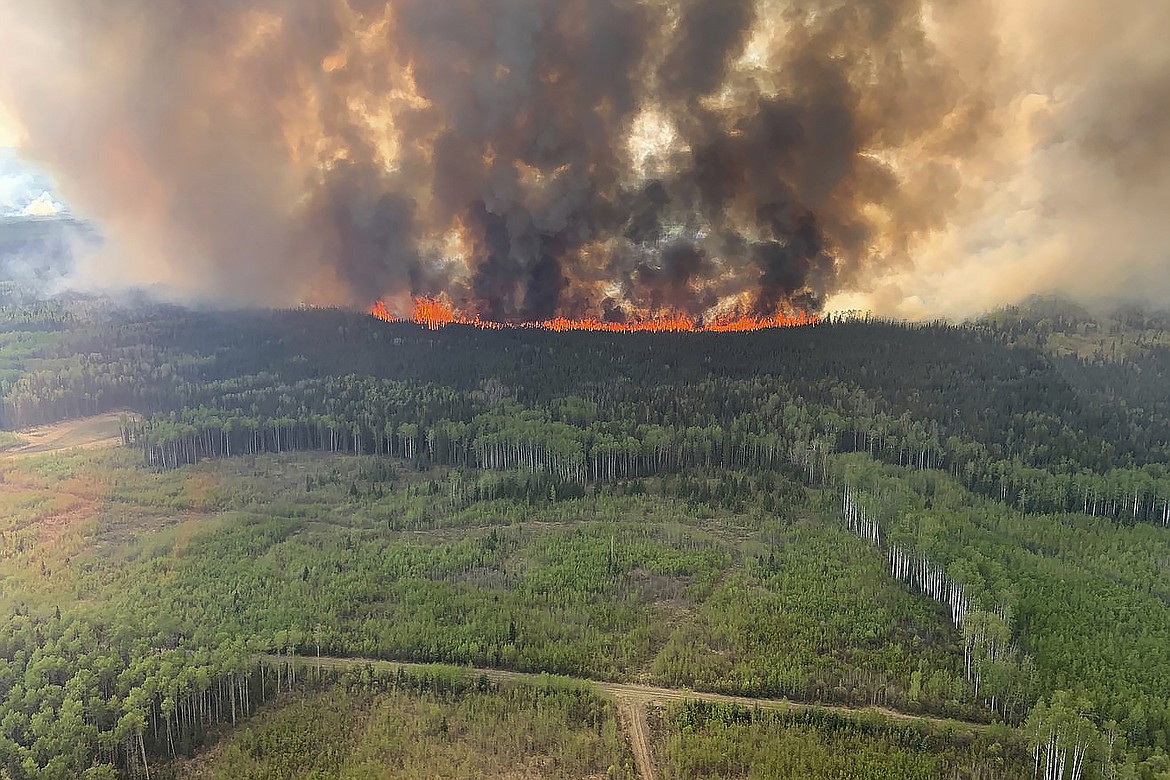
ICS was developed in the 1970s following catastrophic wildfires in southern California. Local, state, and federal agencies realized that poor coordination, incompatible terminology, and unclear chains of command hindered effective disaster response. ICS solved these issues by creating a modular framework that expands or contracts based on the scale of the incident.
Core Characteristics of ICS
Every incident managed under ICS relies on specific structural principles to maintain order and accountability:
- Common Terminology: Everyone uses standard titles for organizational functions, facilities, and resources. There's no confusion between different departments regarding what an "Operations Section Chief" or a "Staging Area" means.
- Modular Organization: The command structure builds from the top down. Only the functions and positions necessary for a specific incident are activated.
- Management by Objectives: Every operational period focuses on specific, measurable tactical objectives and strategies established by the Incident Commander.
- Chain of Command and Unity of Command: Every individual reports to only one designated supervisor, preventing conflicting orders and ensuring clear accountability.
- Span of Control: A single supervisor manages a manageable number of individuals—typically between three and seven subordinates, with five being optimal.
Key Functional Areas on the Exam
The exam heavily tests your knowledge of how incident management breaks down into distinct functional areas. Understanding who does what prevents confusion when facing scenario-based questions.
Incident Command
Led by the Incident Commander (IC), this role holds overall responsibility for incident management. In smaller incidents, a single IC handles all command staff functions. In complex events, the IC can delegate authority to specialized command staff, including the Public Information Officer, Safety Officer, and Liaison Officer.
Operations Section
This section directs all tactical actions focused on mitigating the incident. Fire suppression, search and rescue, law enforcement tactical units, and emergency medical services all operate under the Operations Section.
Planning Section
The planning team collects, evaluates, and displays incident situation information. They prepare the Incident Action Plan (IAP), track resource status, and document documentation for post-incident analysis.
Logistics Section
When responders need facilities, transportation, supplies, equipment maintenance, and food services, the Logistics Section provides them. Think of logistics as the support engine keeping the response functioning.
Finance and Administration Section
Disasters cost money and require precise tracking. This section monitors costs related to the incident, handles procurement contracts, processes worker compensation claims, and manages cost-accounting records necessary for federal disaster reimbursement.
Common Mistakes to Avoid During the Test
Many candidates fail the IS-100 exam not because the material is overly difficult, but because they misinterpret specific administrative rules or terminology distinctions.
Don't confuse unity of command with chain of command. Chain of command refers to the orderly line of authority within the ranks of the organization, while unity of command means every single individual reports to one and only one designated supervisor.
Pay close attention to scenario-based questions. The exam often presents a hypothetical emergency—such as a hazardous material spill or a multi-vehicle collision—and asks which section or role should take a specific action. Always look back to the fundamental definitions of the sections outlined above. If a question involves feeding responders or fixing broken equipment, the answer always points to logistics. If it involves tracking where crews are deployed, it points to planning.
Frequently Asked Questions
What is the passing score for the NIMS 100 final exam?
You must score at least seventy-five percent to pass. You can review course materials and retake the exam online if you don't pass on your first try.
Is the IS-100 exam open book?
Yes, the test is administered online through the FEMA Emergency Management Institute website, allowing you to reference course notes and training manuals while answering questions.
How long does it take to complete the NIMS 100 course?
The course typically requires about three hours of self-paced study through FEMA's independent study program before you can take the final exam.
Do I need prerequisites for IS-100?
No formal prerequisites exist for IS-100, though it serves as a foundational prerequisite for higher-level courses like IS-200 and IS-700.