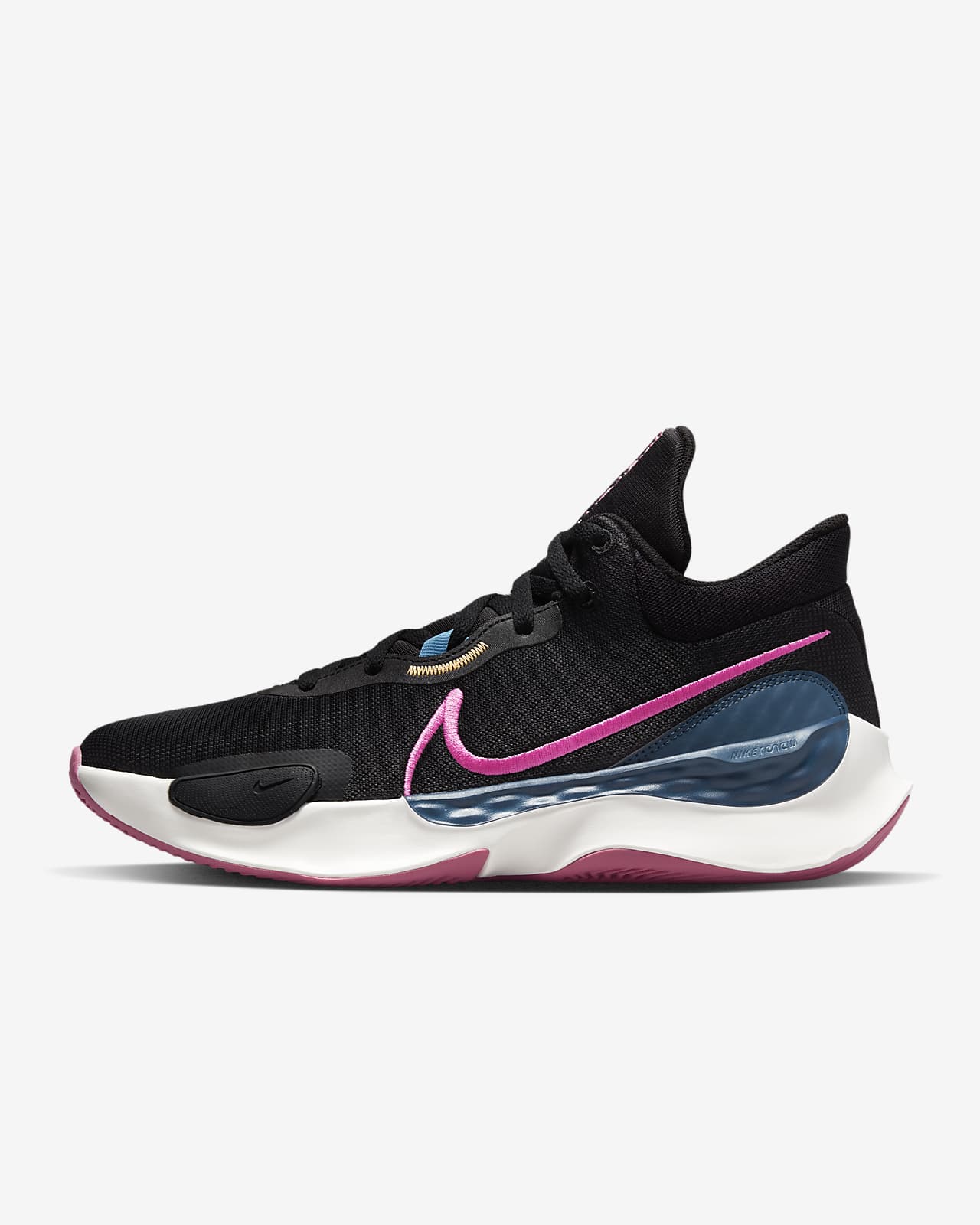
The Nike Korea exclusive phenomenon sits at the very top of modern footwear collecting. When Nike builds a regional drop around South Korean heritage—from the iconic Air Jordan 3 "Seoul" to boutique partnerships with Kasina—they tap into one of the most discerning and fast-moving subcultures in the world. These sneakers aren't just shoes with regional colorways; they are cultural touchstones that blend athletic legacy with intricate local history, driving global demand sky-high.
Understanding why these pairs command thousands of dollars on secondary markets requires looking beyond the hype. Regional exclusivity creates scarcity, but Korean designers and Nike's Innovation Kitchen infuse genuine storytelling into every stitch, flag motif, and tiger graphic. This guide breaks down the defining releases, the mechanics of regional drops, and how these models transformed Seoul into a global sneaker capital.
The Evolution of Nike Korea Exclusives
South Korea's relationship with global sportswear accelerated significantly during the 1988 Seoul Olympics. That global spotlight laid the groundwork for a mature retail market that eventually commanded its own dedicated product lines. Decades later, Nike began treating Seoul not merely as a retail destination, but as a primary creative engine.
The turning point arrived with targeted regional releases that honored domestic milestones. Instead of simple color swaps, Nike collaborated with local designers and historical archives to produce shoes that resonated deeply with Korean pride while capturing the attention of international purists.
- The National Identity Shift: Early regional drops focused primarily on flag colors and international soccer tournaments, but modern releases incorporate structural elements of traditional garments and local architecture.
- Boutique Partnerships: Retailers like Kasina bridged the gap between independent Korean street fashion and global corporate manufacturing, proving that local retailers could launch world-class collaborations.
Iconic Releases That Defined the Market
Certain pairs transcend standard regional distribution to achieve undisputed grail status. Collectors track these releases across global platforms because production numbers remain strictly limited to the Korean peninsula.
Air Jordan 3 "Seoul" and "Seoul 2.0"
Designed by Tinker Hatfield and Dan Sunwoo, the original 2018 Air Jordan 3 "Seoul" celebrated both the 30th anniversary of the 1988 Olympic Games and Michael Jordan's historic 1988 Slam Dunk Contest victory. The shoe featured the Taegeuk symbol on the tongue and the inspiring messages "서울" (Seoul) and "1988. 09. 17" on the inner tongue linings.
When Jordan Brand followed up with the Air Jordan 3 "Seoul 2.0," they introduced a royal blue ankle collar swapping traditional leather for stitched cotton—a subtle nod to traditional Korean garments. Resale markets instantly reacted, cementing these pairs as crown jewels for serious collectors.
Kasina x Nike SB Dunk Low
In 2020, legendary Korean boutique Kasina dropped an SB Dunk Low inspired by the Gyeongbu Expressway, the central highway connecting Busan and Seoul. Premium suede, vintage-leaning sail tones, and custom tongue tags turned a standard skate shoe into a narrative masterpiece about travel and infrastructure in South Korea.
The Air Presto and Air Max "South Korea" Packs
Released to coincide with major global athletic events, the 2020 "South Korea" collection featured wild tiger-stripe patterns across Air Prestos and Air Max 95s. The white, black, and pinkish-red tiger motifs drew directly from Korean folklore and the historic national football team crests, offering a loud, aggressive counterweight to minimalist sneaker trends.
Why Regional Scarcity Drives Global Resale Value
Scarcity remains the baseline driver of sneaker economics, but regional drops amplify the effect through logistical friction. When a shoe launches exclusively via the Nike SNKRS platform in South Korea or at flagship locations like Nike Seoul, international buyers face immense barriers.
- Local Verification Requirements: Many South Korean SNKRS drops require local phone numbers, resident registration alignment, or physical presence at brick-and-mortar stores like Nike Style Hongdae.
- Low Production Numbers: Special makeup runs often hover around a few hundred pairs, making them exponentially rarer than standard Tier-0 global releases.
- International Shipping Logistics: Global buyers must rely on proxy services or specialized secondary platforms, driving acquisition costs well above retail price tags.
Common Mistakes When Buying Regional Exclusives
Navigating the secondary market for Korean-exclusive releases exposes buyers to several recurring pitfalls. Avoiding these traps saves money and prevents authentication headaches.
- Ignoring Regional Sizing Conversions: South Korean retail pairs typically use millimeter (mm) sizing or standard US sizing, but manufacturing batches destined for Asia can occasionally feature subtle internal fit differences depending on the base silhouette.
- Overlooking Box and Tag Details: Authentic Korean domestic releases feature specific regional retail stickers, Korean-language product safety tags, and unique SKU variants that distinguish them from US or European counterparts.
- Chasing Hype Without Verification: Because resale values often cross the four-figure threshold for pairs like the Jordan 3 Seoul, counterfeiters target these models heavily. Always verify provenance through trusted international authentication specialists.
Frequently Asked Questions
Can you buy Nike Korea exclusives outside of South Korea at retail?
No. True regional exclusives require purchase verification within South Korea through local retail activations or the domestic SNKRS app. International buyers must secure pairs through secondary resale markets or proxy shopping services.
What makes the Air Jordan 3 Seoul different from a standard Jordan 3?
The shoe features custom color blocking that mirrors the South Korean flag, bespoke embroidery on the inner tongues, custom tongue branding representing the Taegeuk symbol, and materials inspired by traditional Korean textiles.
Are Nike Korea exclusives released in limited quantities?
Yes. Most dedicated heritage drops and boutique collaborations are produced in very small runs, often limited to several hundred pairs distributed exclusively across select Seoul retail hubs.
How can I verify if a Korean-exclusive sneaker is authentic?
Look for localized South Korean retail inspection tags attached to the box, check the SKU against official Nike Korea release databases, and utilize professional authentication platforms that specialize in regional variants.



