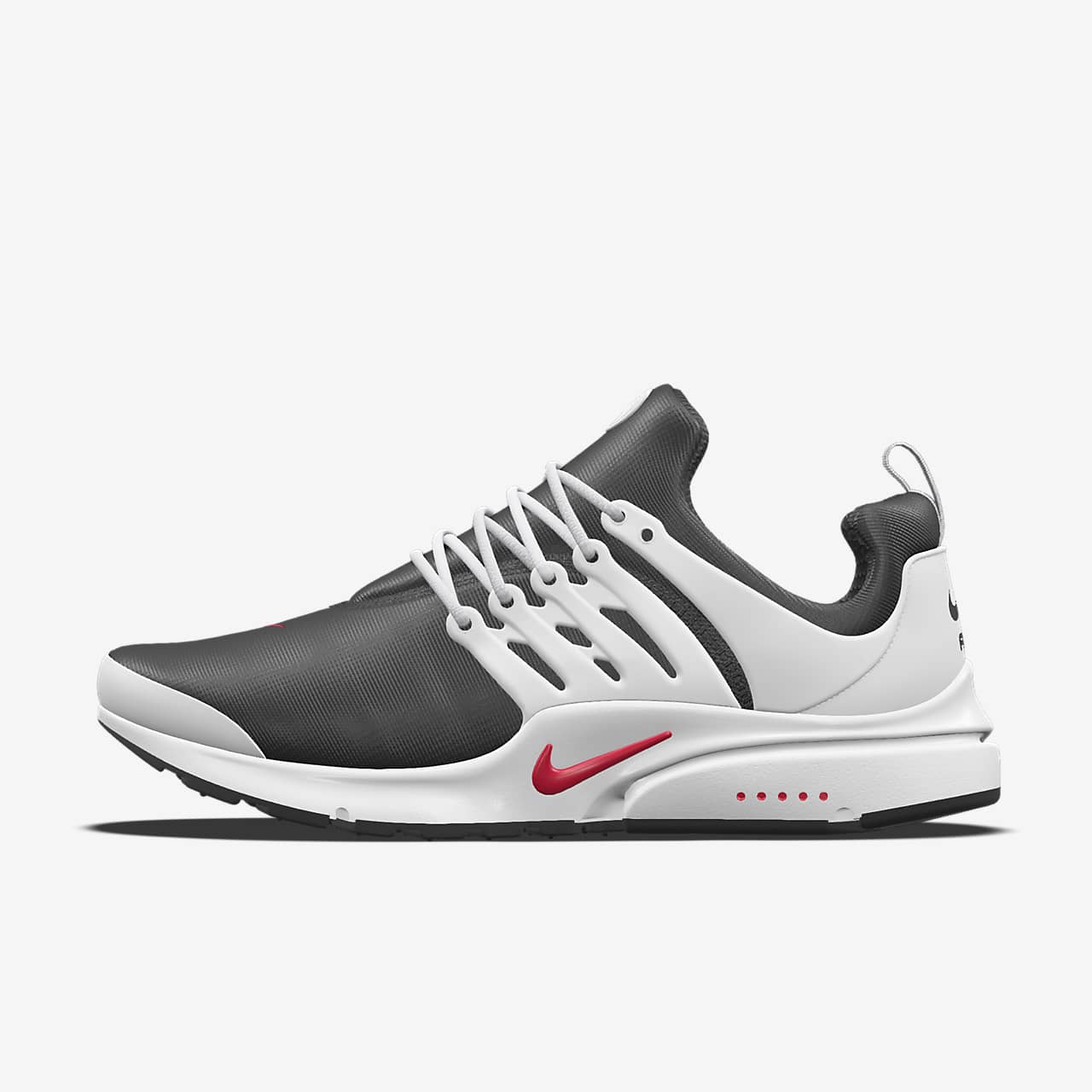
Performance footwear has transformed from basic canvas and rubber into high-tech equipment engineered to maximize human output. Over the past decade, Nike has reshaped competitive sports through aggressive biomechanical research, proprietary foam formulations, and carbon-composite plates. Understanding these developments requires looking past marketing terms to examine how specific design breakthroughs alter physical exertion and movement mechanics.
The Shift Toward High-Energy Foams and Carbon Plates
Traditional athletic shoes relied on dense ethylene-vinyl acetate (EVA) midsoles that compressed over time and offered limited energy recovery. The introduction of elite foams like ZoomX changed that dynamic entirely. Derived from PEBA polymers used in aerospace applications, ZoomX delivers extreme lightweight properties alongside an energy return rate approaching eighty-five percent.
Pairing these resilient foams with curved carbon-fiber plates—first popularized in the Vaporfly series—created a structural lever system. Instead of just absorbing shock, the shoe stores energy upon foot strike and releases it dynamically at toe-off. This mechanical architecture reduces the metabolic cost of running, allowing endurance athletes to maintain faster paces with less muscular fatigue.
- ZoomX Foam: Provides maximum cushioning while remaining featherlight.
- Carbon-Fiber Flyplate: Adds longitudinal stiffness to propel the runner forward.
- Optimized Geometry: Encourages a smooth, efficient heel-to-toe transition.
Precision Uppers and Material Science
Engineering a high-performance shoe demands attention to upper construction as well. Heavy stitched overlays cause friction, add unnecessary weight, and trap moisture during extended activity. Modern textile engineering relies on data-mapped digital knitting techniques like Flyknit.
Engineers can tune tension, stretch, and ventilation zone by zone. This creates a sock-like fit that locks the foot over the platform without restrictive plastic harnesses. For elite marathoners and track athletes, saving even a few grams per shoe translates into measurable performance gains over long distances. Materials such as Atomknit push this further by absorbing minimal water, ensuring the shoe stays light even in wet racing conditions.
Expanding Beyond Running: Turf and Court Technologies
While endurance running gets most of the attention, similar innovations have transformed court sports and field athletics. Basketball sneakers and soccer cleats require multi-directional stability rather than linear propulsion.
- Reactive Cushioning: Low-profile Air Zoom units embedded in forefoot regions provide explosive takeoff for basketball players executing quick cuts.
- Traction Outsoles: Generative pattern designs maximize grip angles based on pressure map data gathered from elite athletes.
- Lockdown Systems: Internal bands secure the midfoot, preventing internal sliding during aggressive lateral deceleration.
Common Misconceptions About Tech Footwear
Many athletes assume that wearing advanced footwear automatically guarantees personal records. In reality, high-performance shoes require specific biomechanical adaptations.
- Durability Trade-offs: Race-day models prioritize weight savings over long-term durability, meaning ultra-responsive foams can degrade faster than standard daily trainers.
- Stability Demands: Highly cushioned, thick midsoles can reduce natural ankle stability for runners who overpronate significantly unless properly supported.
- Training Specificity: Carbon-plated models alter natural muscle loading, making it necessary to alternate training shoes to prevent localized strain on calves and Achilles tendons.
Frequently Asked Questions
What makes ZoomX different from standard EVA foam?
ZoomX is engineered from PEBA-based materials rather than traditional EVA. This allows it to compress and rebound with significantly higher energy return while weighing a fraction of standard midsole compounds.
Do carbon-plated shoes help everyday runners?
While anyone can wear them, carbon-plated shoes are designed primarily to maximize efficiency at faster paces. Runners training at slower speeds may not experience the intended mechanical benefits of the plate.
How do Flyknit uppers improve performance?
Flyknit allows engineers to construct a seamless upper with targeted zones for breathability, stretch, and support, eliminating excess weight and reducing the risk of blisters caused by seams.
How often should high-performance running shoes be replaced?
High-performance racing shoes typically lose their optimal cushioning and energy return properties between 200 and 300 miles, depending on runner weight and striking mechanics.
For deeper technical specifications on ongoing sports research, visit the Nike Innovation Lab or read official performance updates from Nike News.



