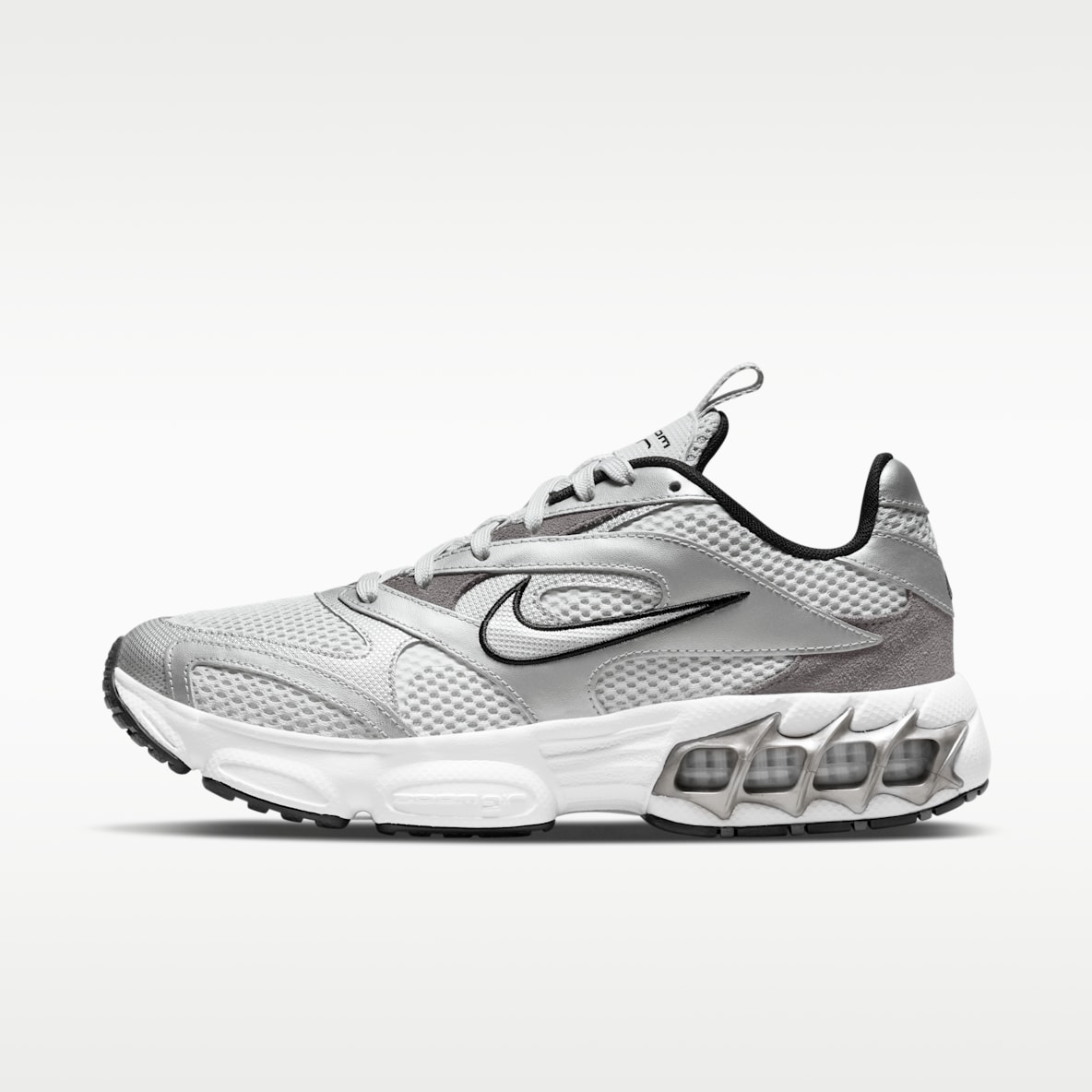
Understanding Nike Football Boots Production
Every pair of Nike football boots begins long before it ever touches a professional pitch or a retail shelf. Behind the sleek silhouettes worn by elite athletes lies a massive, highly technical engineering process. This system turns raw polymers, synthetic yarns, and carbon fiber plates into high-performance footwear.
Modern athletic footwear manufacturing relies on precision engineering, robotics, and rigorous biomechanical testing. When you look closely at how these boots are made, you move past the marketing hype and into material science. Performance gains on the pitch come from specific design choices made during production, from the upper construction to the stud configuration on the outsole.
Primary Keyword Analysis and Search Intent
The primary keyword targeted by the source topic is Nike football boots. The search intent behind this query is mixed. Some users want to buy or compare models, while others want to understand the technology, origins, and manufacturing methods behind the brand's popular lines like Mercurial, Phantom, and Tiempo.
What the Competitor Misses
Most superficial articles focus entirely on generic promotional descriptions rather than real production facts. They fail to answer several critical sub-questions:
- How do automated knitting machines actually construct a one-piece upper?
- What specific synthetic materials replace traditional kangaroo leather in modern boots?
- How do testing facilities simulate extreme weather and high-impact stress on turf and natural grass?
- What is the exact lifecycle of a boot plate from raw plastic pellets to molded chassis?
The Raw Materials: From Polymers to Performance Threads
The foundation of any high-end boot starts in the chemical lab and the textile mill. Gone are the days when a football boot was simply stitched leather panels glued to a rubber sole.
Synthetic Uppers and Flyknit Technology
Nike utilizes proprietary yarn blends to construct its knitted uppers. Engineers program automated multi-axis knitting machines to vary tension stitch by stitch. This allows the boot to have targeted zones:
- Flexibility: Thinner, looser knit areas across the instep and ankle collar for easy entry and natural foot movement.
- Support: Tighter, reinforced yarn matrices along the midfoot to lock the foot in place during sharp lateral cuts.
- Ball Control: Textured coatings applied over the yarn to create friction in wet and dry conditions.
Outsole Polymers and Carbon Chassis
The soleplate requires materials that balance rigidity with flexibility. Manufacturers use high-grade thermoplastics like TPU (thermoplastic polyurethane) and carbon fiber composites.
- TPU provides durable, flexible support for traditional agility boots.
- Carbon fiber composites offer extreme energy return, snapping back into place instantly after a player pushes off the ground.
Inside the Production Facility: Step-by-Step Manufacturing
Building a modern performance boot requires a mix of advanced machinery and careful hand assembly.
1. Pattern Engineering and Material Cutting
Automated laser cutters slice synthetic sheets, mesh layers, and internal reinforcements with sub-millimeter precision. These flat pieces are sorted by size and shipped to stitching lines.
2. Upper Assembly and Stitching
Robotic arms and skilled technicians stitch or heat-bond the various layers together. Internal linings, heel counters, and lace loops are fused into the main chassis. For knitted models, the upper arrives as a complete sock-like tube that requires minimal side stitching.
3. Lasting and Shaping
The flat upper is pulled tightly over a "last"—a foot-shaped mold that determines the boot's fit profile. Heat is applied to set the synthetic materials so they permanently retain the ergonomic shape of the foot.
4. Soleplate Bonding and Curing
The prepared upper is pressed onto the molded outsole plate using industrial adhesives. Heat presses activate the bond, creating a permanent seal that can withstand the intense shearing forces generated during a ninety-minute match.
Quality Control and Biomechanical Testing
Before any boot design goes into mass production, it undergoes grueling tests in research labs and outdoor test centers.
Stress and Durability Testing
Machines repeatedly bend, twist, and pull the boots to simulate years of aggressive play in a matter of days. Technicians check for seam separation, eyelet tearing, and soleplate cracking.
Traction and Grip Analysis
Using specialized pressure-mapping turf tracks, engineers measure how studs interact with different surfaces. This data dictates whether conical, bladed, or chevron studs are used for a specific model, ensuring players get optimal traction without getting stuck in the turf.
Common Mistakes in Choosing and Caring for Boots
Understanding how boots are made helps players maintain them properly and pick the right tools for the job.
- Matching Studs to Surfaces: Wearing firm-ground (FG) boots on artificial grass (AG) puts excessive stress on the soleplate glue joints and increases injury risk due to over-rotation.
- Improper Drying: Leaving wet boots near a direct heat source like a radiator warps the synthetic uppers and melts the adhesives. Air-drying at room temperature is always best.
- Incorrect Sizing: Buying boots too large because they feel snug initially can lead to blisters and poor touch control. Modern synthetics stretch very little compared to traditional leather.
Frequently Asked Questions
Are modern football boots still made of real leather?
Most elite speed and agility boots use advanced synthetics because they are lighter, absorb less water, and hold their shape better. However, heritage models like the Nike Tiempo still incorporate premium leather or advanced synthetic leather alternatives for a softer touch.
How long does it take to manufacture a single pair of boots?
While automated machines and assembly lines produce thousands of pairs daily, the actual hands-on assembly time for a single pair of high-end boots takes roughly two to three hours from cut parts to boxed product.
Why do professional players wear different boots than what is sold in stores?
Elite athletes often receive custom lasts molded directly from their feet to prevent blisters and match specific structural needs. Their retail-looking boots frequently contain internal modifications or specialized traction plates tailored to specific pitch conditions.
Can you wash Nike football boots in a washing machine?
No. Machine washing exposes the boots to high heat and harsh tumbling that breaks down the adhesive bonds and ruins the synthetic upper materials. Clean them gently with a soft brush, warm water, and mild soap instead.


.jpg)
