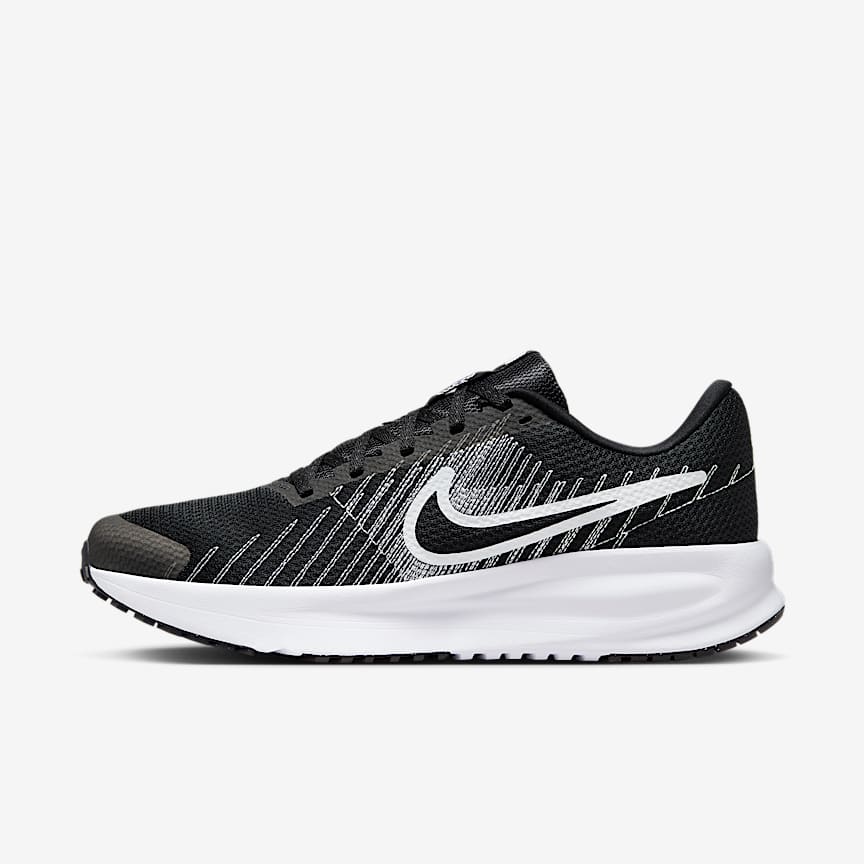
Nike didn't become the titan of athletic footwear by accident. Decades of calculated cultural positioning, aggressive athlete partnerships, and relentless design iterations built the brand from a trunk-selling startup into a global powerhouse. Understanding how the company maintains its dominance requires looking past the simple swoosh logo and examining the mechanics of its business model.
The foundation of the brand rests on marrying high-performance athletic utility with mass cultural relevance. While competitors focus strictly on technical specs or budget pricing, Nike treats every shoe release as a cultural event. This approach dictates how they design, manufacture, and market millions of pairs of shoes each year.
The Evolution of Performance Credibility
Performance credibility acts as the anchor for every shoe line Nike launches. Long before a sneaker hits retail shelves, it undergoes rigorous testing with professional athletes. This focus ensures that functional innovations—such as proprietary foam compounds or air-cushioning units—solve real biomechanical problems.
When elite runners or basketball players break records in new prototypes, it validates the product for everyday consumers. This "halo effect" translates technical breakthroughs on the track into high demand on the street. Consumers don't just buy footwear; they buy a piece of verified athletic achievement.
- Athlete-Driven Design: Prototypes are built based on direct feedback from professional competitors.
- Technical Prototyping: Labs analyze foot strike pressure, heat mapping, and energy return.
- Validation Loops: On-field success builds instant consumer trust before commercial rollout.
Cultural Storytelling and Emotional Connection
Products alone rarely justify premium pricing. Nike succeeds by attaching deep emotional narratives to its athletic shoes. Instead of listing material specifications in ads, campaigns focus on perseverance, ambition, and breaking barriers.
This emotional resonance transforms functional sports gear into identity markers. When buyers lace up a pair of signature basketball shoes or marathon trainers, they connect with the struggles and triumphs of the athletes representing them.
"Nike invests heavily in framing its footwear not as a utility item, but as a vehicle for personal empowerment and athletic expression."
💡 You might also like: Strategic Obsolescence: Why Outdated
Supply Chain Dynamics and Global Distribution
Scaling production to meet worldwide demand without diluting brand prestige requires a tightly controlled supply chain. Nike long ago outsourced its manufacturing to specialized partner factories, allowing the corporate headquarters to concentrate entirely on design, material science, and global marketing.
This asset-light manufacturing model provides the agility needed to pivot production toward trending silhouettes. Furthermore, the company manages inventory scarcity strategically. By intentionally limiting supplies for certain high-heat sneaker releases, they cultivate secondary market desire and long-term collector interest.
Direct-to-Consumer Shifting
For many years, wholesale retail partners drove the bulk of Nike's sales. Recently, the company prioritized its own digital platforms and flagship retail spaces. Selling directly to consumers via dedicated mobile apps and official web channels yields higher profit margins and grants direct access to valuable buyer data.
- Higher Margins: Eliminating retail middlemen keeps a larger share of each sale.
- Data Ownership: Direct channels provide immediate insights into regional style preferences.
- Exclusive App Drops: Controlled digital releases drive heavy app engagement and community loyalty.
Common Missteps in Sneaker Brand Strategy
Many challenger brands attempt to copy Nike's blueprint and fail. Analyzing these missteps clarifies why the market leader maintains its grip.
- Over-Reliance on Hype: Launching limited editions without supporting performance credentials leads to short-lived fads rather than lasting brand equity.
- Ignoring Local Nuances: Treating global markets as a monolith often backfires; cultural context dictates what resonates in Tokyo versus New York.
- Sacrificing Quality for Scale: Cutting corners on material innovation damages the core performance credibility that justifies higher price points.
Brands aiming to compete must realize that emotional equity takes decades to accumulate. Short-term discount strategies erode the luxury perception that top-tier athletic footwear commands.
Frequently Asked Questions
Why are certain athletic shoes produced in very limited quantities?
Limited production runs build exclusivity and drive secondary market demand. This scarcity model generates cultural buzz that spills over into higher sales for standard, mass-market shoe lines.
How do athlete endorsements impact everyday shoe sales?
Endorsements provide immediate performance validation. When consumers see a trusted professional excel in a specific shoe, it creates a psychological link between the product's design and superior athletic output.
What role does digital commerce play in modern footwear retail?
Digital platforms allow brands to bypass traditional retail partners, control the presentation environment, capture customer data, and protect profit margins through direct-to-consumer sales.
How does Nike balance performance gear with lifestyle fashion?
The company maintains distinct product lines—such as technical running models alongside lifestyle retro sneakers—ensuring that high-performance innovations eventually transition into casual daily wear.
To explore more about the history of athletic footwear and industry standards, you can visit the National Museum of American History or read business breakdowns on Harvard Business Review. For official brand updates and product technology insights, check out Nike News.


