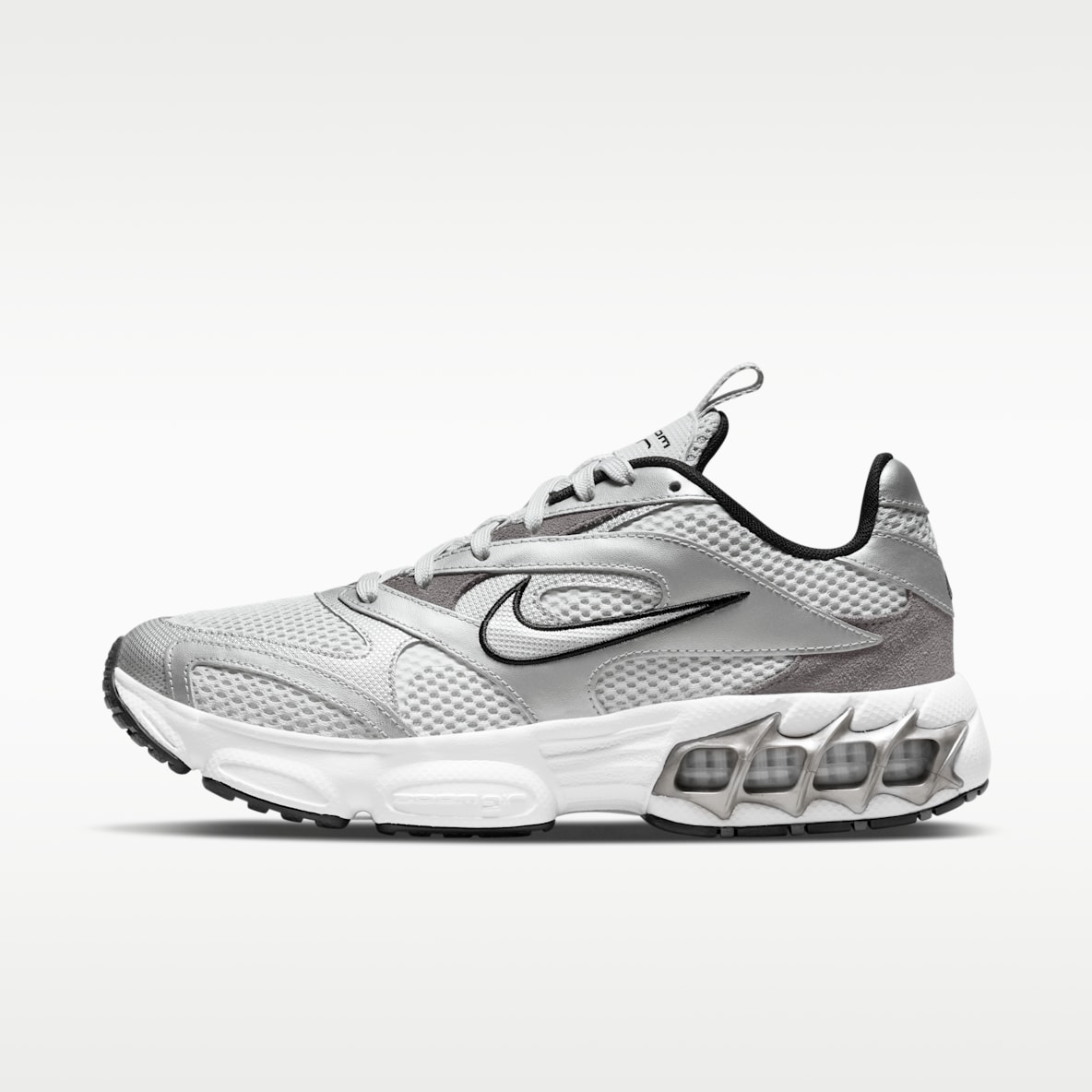
The Nike Air Yeezy 2 Red October represents the absolute pinnacle of modern sneaker collectability. Released under extraordinary circumstances in February 2014, this monochrome red silhouette marked the dramatic conclusion of Kanye West's partnership with Nike before he moved to Adidas. Understanding why pairs command five figures on the secondary market requires looking past the internet hype and examining the manufacturing realities, release chaos, and design engineering that turned a cross-training hybrid into a cultural artifact.
Unlike standard retail drops that follow predictable distribution schedules, the Red October release was plagued by months of delays and corporate silence. When Nike finally dropped the shoes without warning on a Sunday morning via an unannounced Twitter link, it broke conventional retail models. This article cuts through the myths, detailing the exact release mechanics, design specifications, and authentication markers that separate true grails from high-end replicas.
The Anatomy of a Surprise Drop
The path to the Red October release was unconventional from its inception. When Kanye West debuted the shoe during his Saturday Night Live performance in May 2013, the sneaker world anticipated an autumn release date that matched the colorway's name. Instead, corporate friction between West and Nike executives led to repeated delays. By late 2013, West publicly expressed frustration with Nike's royalty terms and production timelines, culminating in his famous announcement that he was signing with Adidas.
Industry observers assumed the Red October project had been permanently shelved. Then, on February 9, 2014, Nike tweeted a direct purchase link to the NikeStore checkout page. The entire inventory sold out in roughly eleven minutes.
- The Surprise Factor: Traditional bot networks weren't primed for a Sunday morning random drop, allowing manual users a narrow window of success.
- The Stock Numbers: Reliable estimates from former Nike retail employees place the total global production run between 1,500 and 3,000 pairs, making them significantly scarcer than standard Yeezy releases.
- The Packaging Myth: Rumors persist about different tier boxes (often mislabeled as "Box A" and "Box B" retail variants in unverified lore), but authentic pairs shipped in standard black Nike Sportswear boxes featuring specific product codes and silver foil branding.
For context on how high-profile sneaker collaborations evolved after this watershed moment, you can review industry analyses on Complex and archival design breakdowns on Sneaker News.
Design Engineering and Materials
The Air Yeezy 2 is fundamentally a hybrid performance model borrowing cues from 1980s tennis shoes and technical cross-trainers. Designer Nathan VanHook engineered the silhouette to balance aggressive styling with functional wearability.
The upper utilizes a textured molded panel on the heel, inspired by reptile scales and ancient Egyptian iconography, paired with premium suede and ballistic nylon. The midfoot strap features functional geometric grooving, secured by a custom metal lace lock stamped with Roman numerals. Underfoot, the shoe borrows the tooling of the Nike Air Tech Challenge II, incorporating visible Air-Sole cushioning within a sculpted polyurethane midsole.
The monochromatic crimson coloring covers every element, from the molded aglets on the laces to the glow-in-the-dark rubber outsole. This color consistency presented distinct manufacturing challenges during production, as matching the dye lots across synthetic textiles, molded plastics, and rubber outsoles required precise industrial calibration.
Authentication and Identifying Counterfeits
Because authentic pairs regularly trade for astronomical sums, the counterfeit market flooded platforms with unauthorized replicas almost immediately. Verifying a genuine pair requires inspecting specific structural details that replica factories struggle to replicate accurately.
- The Heel Molding: On authentic pairs, the reptilian spikes on the molded heel are sharply defined with a matte finish. Counterfeits often feature glossy, rounded, or poorly aligned scales.
- The Forefoot Strap: The strap shape on genuine pairs tapers cleanly toward the medial side, whereas fake iterations often display uneven stitching density along the velcro attachment.
- The Glow-in-the-Dark Outsole: Real pairs emit a bright, vibrant green luminescence after charging under UV light. Fakes frequently use cheap phosphorescent compounds that glow faintly blue or yellow-green.
- The Packaging Labels: The retail box label must display the correct SKU (usually matching style code 508214-660) along with accurate font weights that match standard Nike factory guidelines from early 2014.
Cultural Impact and Legacy
The Red October fundamentally changed how brands and artists approach sneaker marketing. It proved that manufactured scarcity combined with cultural controversy could generate unprecedented media coverage without traditional advertising.
The fallout from this release permanently altered the footwear landscape. It demonstrated that independent creative directors held immense leverage over legacy sportswear corporations, paving the way for modern artist-led streetwear empires. While subsequent Yeezy models produced under Adidas achieved massive commercial scale, the Nike Air Yeezy 2 remains a distinct monument to an era when sneaker design crossed over into high art and collector obsession.
Frequently Asked Questions
How much did the Nike Air Yeezy 2 Red October cost at retail?
When Nike released the shoes in February 2014, the official retail price was $245 USD. Current secondary market valuations routinely exceed $10,000 to $20,000 USD depending on condition, size, and proof of purchase.
Are all Red October pairs identical?
While the overall design and colorway are consistent, minor factory variances exist between different production runs manufactured in 2013 and early 2014. However, theories regarding distinct "Box A" or "Box B" quality tiers are largely internet folklore rather than official factory classifications.
Can you still wear a vintage pair of Red Octobers today?
Wearing pairs from 2014 carries inherent risks. The polyurethane midsoles and glue bonds degrade over time through a process called hydrolysis. Walking in an un-restored, deadstock pair from that era can cause the soles to crumble or separate from the upper.
What inspired the all-red colorway?
The color choice was heavily tied to Kanye West's aesthetic shift during the Yeezus era, leaning into stark, minimalist, and aggressive monochromatic palettes that contrasted sharply with the vibrant multicolored designs dominant in early 2010s streetwear.