Internet rumors often circulate bizarre claims about everyday brand names, and the viral myth surrounding the word nickelodeon stands out as a prime example. Social media posts frequently claim that the name possesses deep Latin roots, mistranslating or twisting its components into sensational phrases like "I don't care about God" or hidden anti-establishment declarations. In reality, the term carries a fascinating linguistic history rooted in American entertainment and Greek etymology, completely separate from these fabricated internet translations.
Unpacking the true background of this phrase requires looking past online hoaxes and examining how the word actually came to be. From early twentieth-century penny arcades to modern children's television, the word's evolution reflects shifts in popular culture, immigration, and mass entertainment rather than ancient philosophical declarations.
Deconstructing the Word: Greek and American Origins
The word nickelodeon is not a classical Latin term, nor does it translate to complex theological statements. Instead, it is a nineteenth-century American portmanteau built from two distinct parts: a slang term for a coin and an ancient Greek root.
The first half, nickel, refers to the United States five-cent coin introduced in the late nineteenth century. The second half, odeon, stems from the ancient Greek oideion, which designated a roofed building used for musical and theatrical performances.
When combined around 1905, these elements formed a literal description: a theater that cost five cents to enter. These early entertainment venues revolutionized public leisure, offering short films, vaudeville acts, and novelty shows to working-class immigrants and urban residents who could not afford expensive opera houses or legitimate theaters.
How the Term Shifted to Television
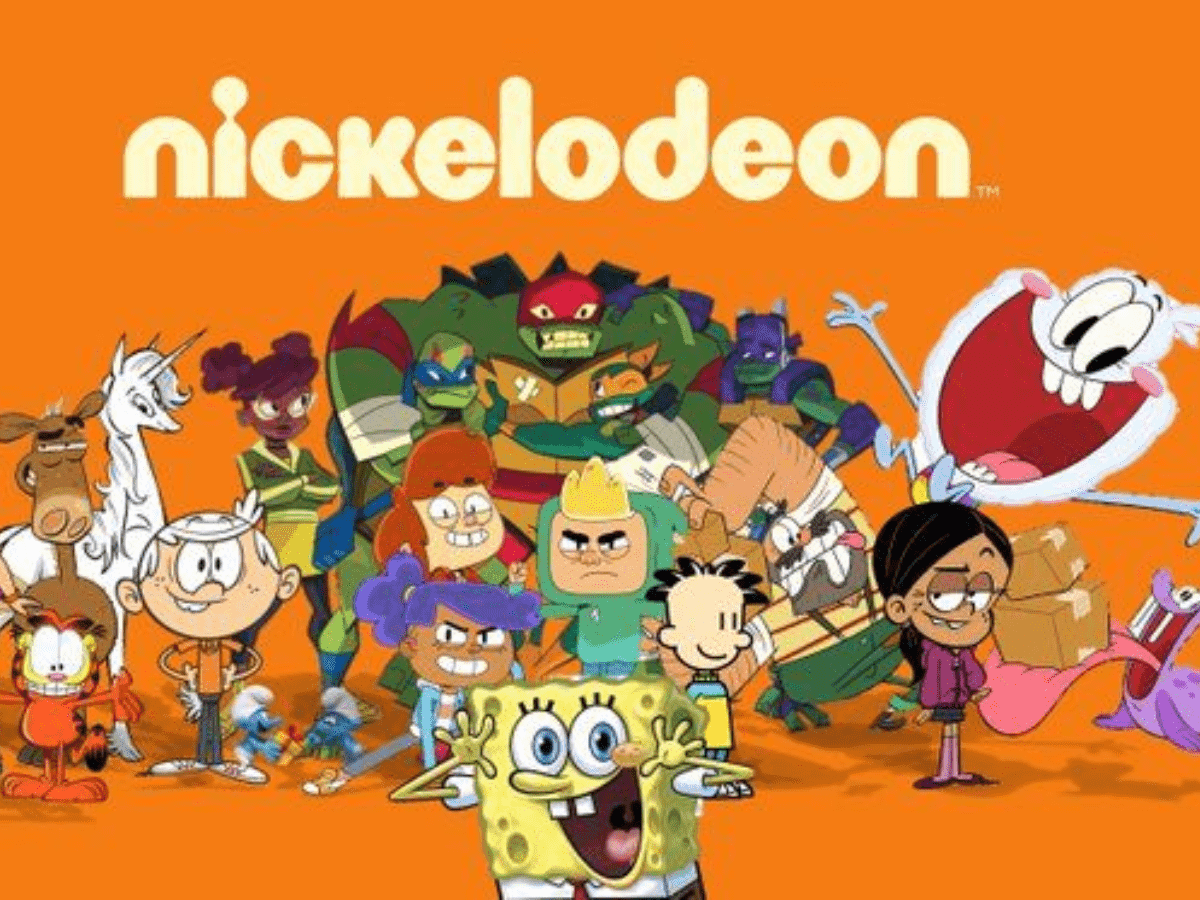
Decades after the five-cent movie houses faded from American cityscapes, the founders of the landmark children's cable network revived the moniker. Launched in 1979, the network adopted the name to evoke a sense of playful entertainment, affordable fun, and classic visual media.
Because the original 1900s theaters served as accessible hubs for mass culture, borrowing the title honored an era when motion pictures first became available to the everyday public. The channel didn't choose the name for hidden cultural significance or secret linguistic codes; they chose it because it sounded punchy, nostalgic, and centered on viewing entertainment.
Debunking the Viral Latin Roots Myth
Social media algorithms frequently reward shock value, which explains why fake etymological breakdowns spread so quickly. The viral claim that nickelodeon translates from Latin to mean "I don't care about God" relies on a complete fabrication of linguistic rules.
Linguists and fact-checkers have repeatedly debunked these claims because they violate basic rules of historical language evolution.
- False roots: The prefix does not match any Latin root for negligence or defiance.
- Anachronistic blending: Latin did not combine with nineteenth-century American currency terms like "nickel."
- Intentional distortion: Hoax creators often rely on automated translation glitches or completely invented dictionary entries to trick readers.
Similar viral hoaxes have targeted other major brands and acronyms, attempting to find sinister or shocking hidden meanings where none exist. Recognizing these patterns helps filter out internet misinformation.
The Cultural Significance of Mass Entertainment Spaces
While the network name itself lacks Latin origins, the cultural footprint of the spaces it references runs deep. Early twentieth-century entertainment venues served a vital sociological function in rapidly industrializing cities.
Immigrants arriving in North America found these affordable theaters welcoming because language barriers mattered less in silent films and slapstick comedy. These spaces acted as cultural melting pots where diverse communities shared public laughter and storytelling.
Evolution of Youth Media Culture
When the television network brought the word back into living rooms, it mirrored that historic mission of accessible entertainment. By focusing entirely on youth programming, the channel created a shared cultural lexicon for generations of children.
- Inclusive programming: Providing content specifically designed for kids transformed how television networks treated younger audiences.
- Interactive milestones: Introducing elements like slime, viewer choice awards, and kid-centric game shows broke traditional broadcasting hierarchies.
- Global reach: As the brand expanded internationally, it exported a specific style of energetic, youth-oriented pop culture.
Common Mistakes in Word Origin Research
When researching brand names and historical terms, amateur historians often fall into predictable traps. Avoiding these errors ensures accurate understanding.
- Assuming all long words are Latin: Many English words are modern compounds, portmanteaus, or borrowings from Germanic, Greek, or indigenous languages.
- Trusting unverified screenshots: An image of an online translation tool does not constitute proof of a word's etymology.
- Ignoring chronological timelines: Words cannot contain modern currency references if the language pre-dates that currency by centuries.
Checking reliable etymological resources, such as the Online Etymology Dictionary, prevents falling for sensationalized internet myths.
Frequently Asked Questions
What does nickelodeon actually mean?
It translates literally to a five-cent theater. It combines the US five-cent coin (nickel) with the Greek word for a roofed performance hall (odeon).
Is there any connection between the channel and Latin?
No. The channel name is entirely English and Greek in origin. Claims about Latin translations or hidden messages are internet hoaxes.
Why do viral etymology myths spread so easily?
People enjoy the novelty of discovering "secrets" hidden in plain sight. Social media platforms amplify shocking or controversial claims regardless of their factual accuracy.
Where can I verify word histories safely?
Academic resources like Merriam-Webster or historical linguistic databases provide accurate breakdowns of word origins without internet bias.