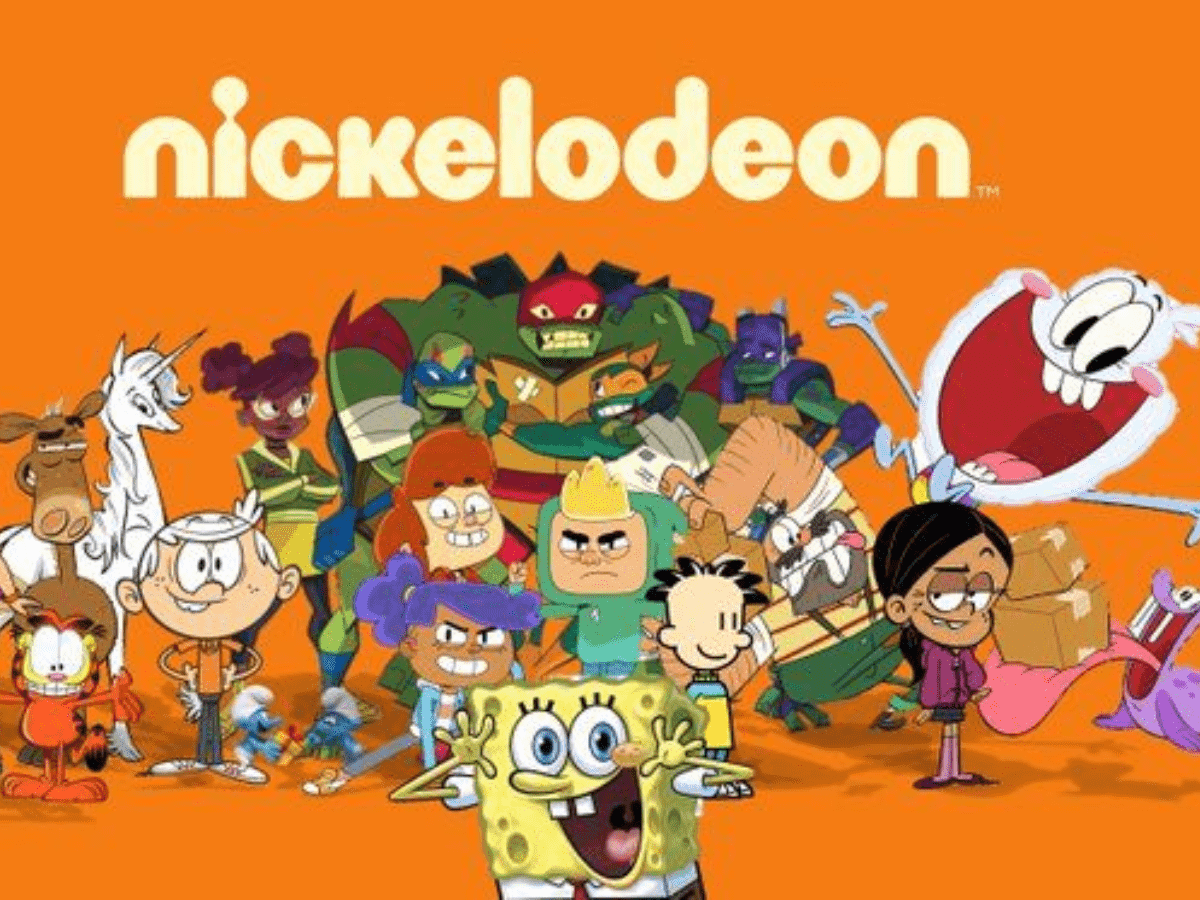
Nickelodeon changed children's television by treating young viewers with actual respect rather than talking down to them. Launched as the first cable channel for kids, it built an empire on character-driven animation, anarchic live-action sketch comedy, and interactive viewer participation. While traditional networks viewed kids as passive consumers during designated Saturday morning blocks, this network created a 24-hour ecosystem that shaped multiple generations of pop culture.
Understanding how the channel achieved and maintained this dominance requires looking at its programming shifts, risk-taking production models, and transition from cable television to digital multi-platform media. From its humble beginnings in 1979 to its modern streaming presence, the brand redefined what family entertainment could achieve.
The Origins and Early Years of the First Kids Channel
Before the network launched, children's television was largely confined to weekday afternoons and Saturday mornings on broadcast networks. Commercial breaks dominated, and programming prioritized safe, educational content. Warner Cable launched the Pinwheel network in 1977, which rebranded into Nickelodeon on December 1, 1979.
The early schedule featured imported shows, puppet series, and non-fiction science content without traditional commercial interruptions. Early executives understood that children craved validation. They didn't want watered-down adult content; they wanted programming that acknowledged the chaos, humor, and genuine emotions of growing up.
The Shift to Original Production
By the mid-1980s, leadership realized that reruns wouldn't sustain long-term growth. The network invested heavily in original live-action series like You Can't Do That on Television, which popularized the iconic green slime, and game shows like Double Dare. These productions fostered a distinct identity characterized by vibrant orange branding, messy stunts, and a rebellious attitude that resonated directly with kids and teenagers.
The Nicktoons Revolution and Animation Dominance
In 1991, the network launched its first batch of original animated series, known as Nicktoons. Until then, animation was dominated by Saturday morning syndication blocks that prioritized cheap production values to sell toys. Nickelodeon changed the industry by partnering with independent creators and giving them creative freedom.
- Doug captured the awkward, relatable anxieties of middle school.
- Rugrats viewed the world from the literal and imaginative perspective of toddlers.
- The Ren & Stimpy Show introduced dark, grotesque, and wildly inventive cartoon humor that appealed to college students and kids alike.
This strategy proved that original animation could drive cable subscriptions and merchandise sales without relying on pre-existing toy lines. It turned the channel into an animation powerhouse, attracting top-tier creative talent who wanted freedom from broadcast network restrictions.
Building a Creator-First Culture
The success of these early cartoons established a production philosophy that prioritized creator-driven visions. Instead of corporate committees dictating storylines, animators had space to take risks. This approach birthed later hits like SpongeBob SquarePants, which debuted in 1999 and became a global cultural phenomenon. The show's distinct humor and timeless visual gags allowed it to cross generational lines, cementing the network's legacy in modern animation history.
Live-Action Sitcoms and Teen Culture
Beyond animation, the network dominated live-action television through the 1990s and 2000s. Shows like All That and The Adventures of Pete & Pete created a distinct aesthetic that blended surreal comedy with heartfelt storytelling. All That served as a sketch comedy training ground for young actors, functioning essentially as a kids' version of Saturday Night Live.
As the 2000s progressed, sitcoms shifted toward character-driven narratives led by visionary producers. Shows like Drake & Josh, iCarly, and Victorious captured the early days of internet culture, digital media, and social connectivity. These programs didn't just entertain; they reflected how teenagers communicated, built friendships, and navigated self-expression in a rapidly changing technological landscape.
Adapting to the Streaming Era and Digital Media
The rise of streaming platforms disrupted traditional cable television models. As younger audiences migrated to YouTube, Netflix, and mobile devices, legacy networks faced existential threats. Nickelodeon responded by expanding its footprint beyond linear television.
The brand launched dedicated streaming apps, partnered with global subscription services, and restructured its iconic IP for modern consumption. Classic characters returned in reboots, while theatrical films expanded cinematic universes. This multi-platform strategy ensured that the brand remained relevant even as traditional cable viewership declined.
The Business of Global Expansion
Maintaining dominance required scaling internationally. The network localized its content across dozens of international feeds, tailoring programming blocks to cultural nuances while retaining core American hits. Consumer products, theme park partnerships, and interactive digital experiences transformed the enterprise into a comprehensive global media franchise. You can read more about media industry transformations through reports by Variety.
Common Misconceptions About Children's Media Networks
Many casual observers assume that children's television operates on simple formulas. In reality, programming requires balancing strict broadcast regulations, shifting parental expectations, and rapidly changing youth culture.
Another frequent misunderstanding involves the relationship between linear TV ratings and digital engagement. Modern media consumption isn't zero-sum. Kids often discover classic characters through short-form video platforms before committing to long-form series on streaming apps.
Frequently Asked Questions
When did Nickelodeon launch?
The network officially launched on December 1, 1979, growing out of an earlier experimental channel called Pinwheel.
Who created the Nicktoons brand?
The initial slate of Nicktoons (Doug, Rugrats, and The Ren & Stimpy Show) debuted in 1991, conceived by network executives working alongside independent animators and creators.
How did the channel handle the transition to streaming?
The brand adapted by licensing content to major streaming platforms, launching digital apps, producing theatrical films, and expanding short-form content across social media channels.
Why did the network focus on creator-driven animation?
Giving creators more autonomy allowed for distinct visual styles and daring storytelling that stood out against traditional, toy-driven Saturday morning cartoons.


