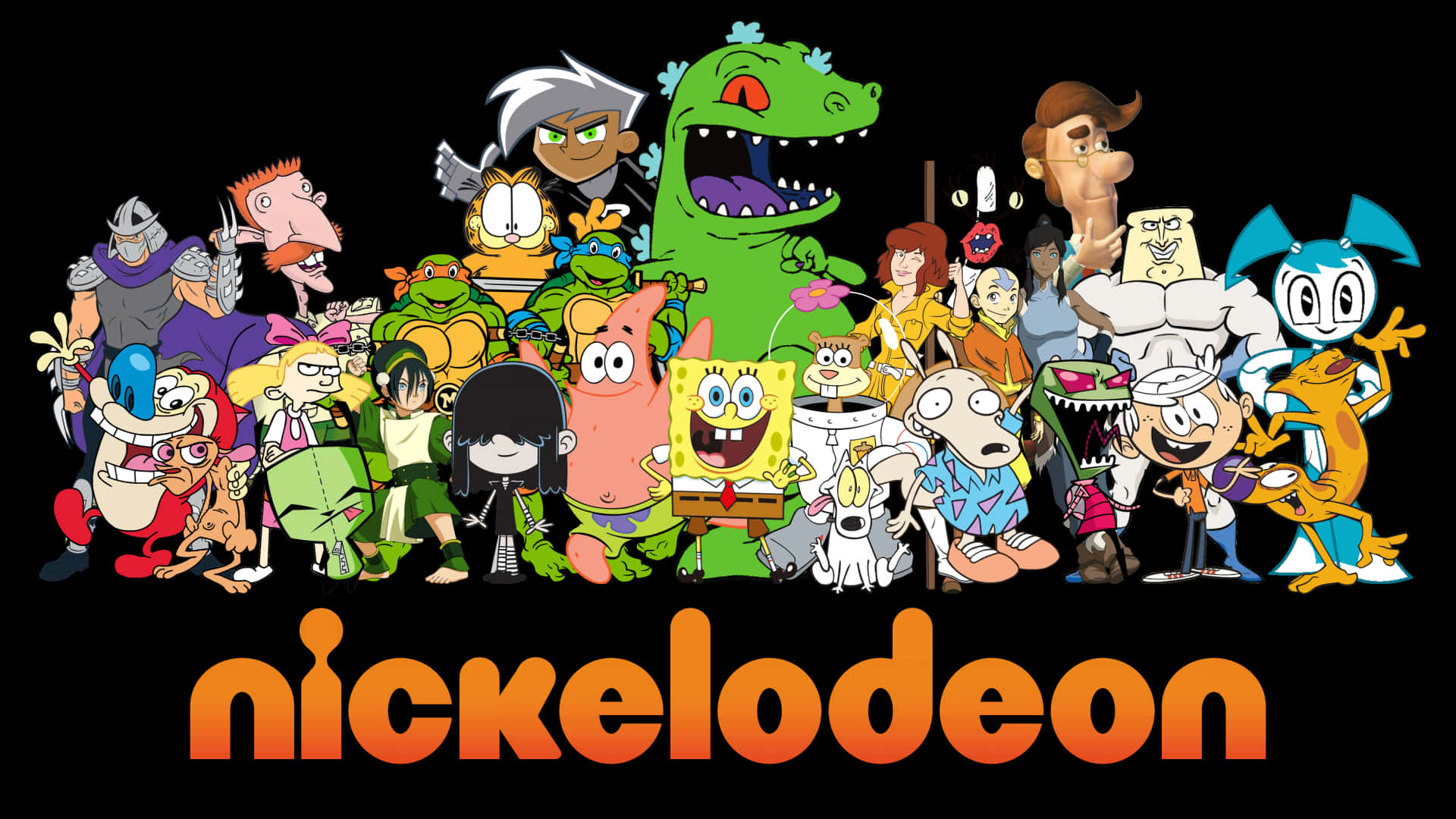
Between 2000 and 2009, children's television underwent a massive transformation. Cable networks stopped treating young audiences as passive consumers of simple slapstick and started building complex, serialized universes. At the center of this shift was Nickelodeon, a network that launched cultural touchstones like SpongeBob SquarePants, Avatar: The Last Airbender, and Drake & Josh. These shows didn't just entertain a generation—they permanently altered how television creators write for young audiences, blending serialized storytelling with bold creative risks.
The 2000s marked a distinct departure from the 1990s aesthetic of gross-out humor and anarchic sketch comedy. While the previous decade built the network's rebellious identity with shows like Rugrats and The Ren & Stimpy Show, the 2000s professionalized and expanded that foundation. Executives greenlit projects that trusted kids to follow complex story arcs, emotional character development, and genre-bending premises. Understanding this era requires looking at how animation and live-action converged to create a golden age that still dictates modern streaming trends.
The SpongeBob Phenomenon and Animation's New Comedy Standard
Premiering right at the turn of the millennium, SpongeBob SquarePants became an unstoppable cultural juggernaut. Created by marine biologist and animator Stephen Hillenburg, the series combined nautical absurdity with sharp, multi-layered writing that appealed equally to toddlers and college students.
The show broke standard cartoon conventions by embracing dry wit, surrealism, and rapid-fire visual gags. It proved that a children's animated series didn't need moralizing subplots or predictable formulas to succeed. Instead, it relied on impeccable comedic timing and distinct character dynamics.
Other creators noticed. Networks across the industry began searching for projects with similar high-concept energy, leading to a surge of ambitious animated comedies that valued quirky world-building over simple gags. You can trace the lineage of modern creator-driven animation directly back to the creative freedom seen in early 2000s Nick cartoons.
Serialized Storytelling: When Kids' TV Grew Up
Before the 2000s, standard children's television relied almost entirely on episodic formats. Characters reset to the status quo at the end of every twenty-two-minute block, ensuring kids could jump in at any time without missing a beat. The 2000s shattered this rulebook by introducing long-form narratives and continuity.
Shows like Avatar: The Last Airbender, which debuted in 2005, showed that children could track complex geopolitical conflicts, character flaws, and deep moral gray areas over multiple seasons. Created by Michael Dante DiMartino and Bryan Konietzko, the series drew heavily from Asian history, philosophy, and martial arts, crafting an epic fantasy narrative that treated its viewers with genuine respect.
This shift toward serialization changed audience expectations permanently. Kids didn't just watch an episode; they invested in character arcs, waited months for season finales, and debated plot points on early internet message boards. Long-form storytelling became a staple of children's media, proving that young viewers craved narrative depth just as much as adults did.
The Live-Action Boom: Relatable Teens and Surreal Sitcoms
While cartoons pushed creative boundaries, Nickelodeon's live-action slate captured the social anxieties and humor of pre-teens and teenagers. The network mastered the multi-camera sitcom format while injecting it with fast-paced, theatrical energy.
Series like Drake & Josh, Unfabulous, and Zoey 101 anchored the network's afternoon lineups. They focused on sibling rivalry, middle school social hierarchies, and the awkward transition into adolescence. Unlike previous teen shows that felt overly sanitized or melodramatic, these series relied on sharp physical comedy and charismatic lead actors who had genuine chemistry.
This live-action boom also established a blueprint for actor branding. Stars transitioned seamlessly between network sitcoms, made-for-TV movies, and musical side projects, creating an early blueprint for the multi-platform star power that dominates entertainment today. You can read more about the evolution of television production standards through the Federal Communications Commission archives on children's programming regulations.
Global Influences: The Anime and Action Expansion
The 2000s also saw Nickelodeon experimenting with imported action formats and international styles. By acquiring and airing anime titles through action blocks, the network exposed millions of American kids to serial narratives driven by intense action, high stakes, and serialized progression.
This exposure influenced domestic creators. Shows like Danny Phantom and The Legend of Korra incorporated dynamic action choreography, stylistic framing, and serialized world-building inspired by traditional anime and superhero comics. It proved that American children's television could stretch past pure comedy into action-adventure genres without alienating its core demographic.
Lasting Legacy on Modern Streaming
The shows that defined Nickelodeon in the 2000s didn't just disappear when their original runs ended; they fueled the modern streaming economy. Decades later, platforms rely heavily on millennial nostalgia, driving massive viewership numbers for vintage library content.
More importantly, the creative risks taken during this decade established the standards for modern children's entertainment. Writers who cut their teeth on 2000s cable animation went on to shape major streaming hits for platforms like Netflix, Disney+, and Amazon Prime. The era proved that kids' TV could be artistic, daring, and culturally dominant.
Frequently Asked Questions
What was the most popular Nickelodeon show of the 2000s?
SpongeBob SquarePants remains the most commercially successful and culturally dominant show of the era, maintaining continuous production and massive global merchandising for over two decades.
How did 2000s Nickelodeon shows differ from 1990s shows?
While 1990s Nicktoons relied heavily on gross-out humor, surreal sketch comedy, and episodic formats, 2000s shows leaned into serialized storytelling, sharper character development, and sophisticated action-adventure plots.
Did Nickelodeon produce its own live-action shows in the 2000s?
Yes, the network produced a massive slate of live-action sitcoms—including All That, The Amanda Show, Drake & Josh, and Zoey 101—filmed primarily in Los Angeles at Nickelodeon on Sunset.
Why do millennials feel such strong nostalgia for this specific era?
The 2000s represented a peak era of cable television dominance where shared viewing experiences created a unified cultural vocabulary before media consumption fragmented across endless streaming choices.


