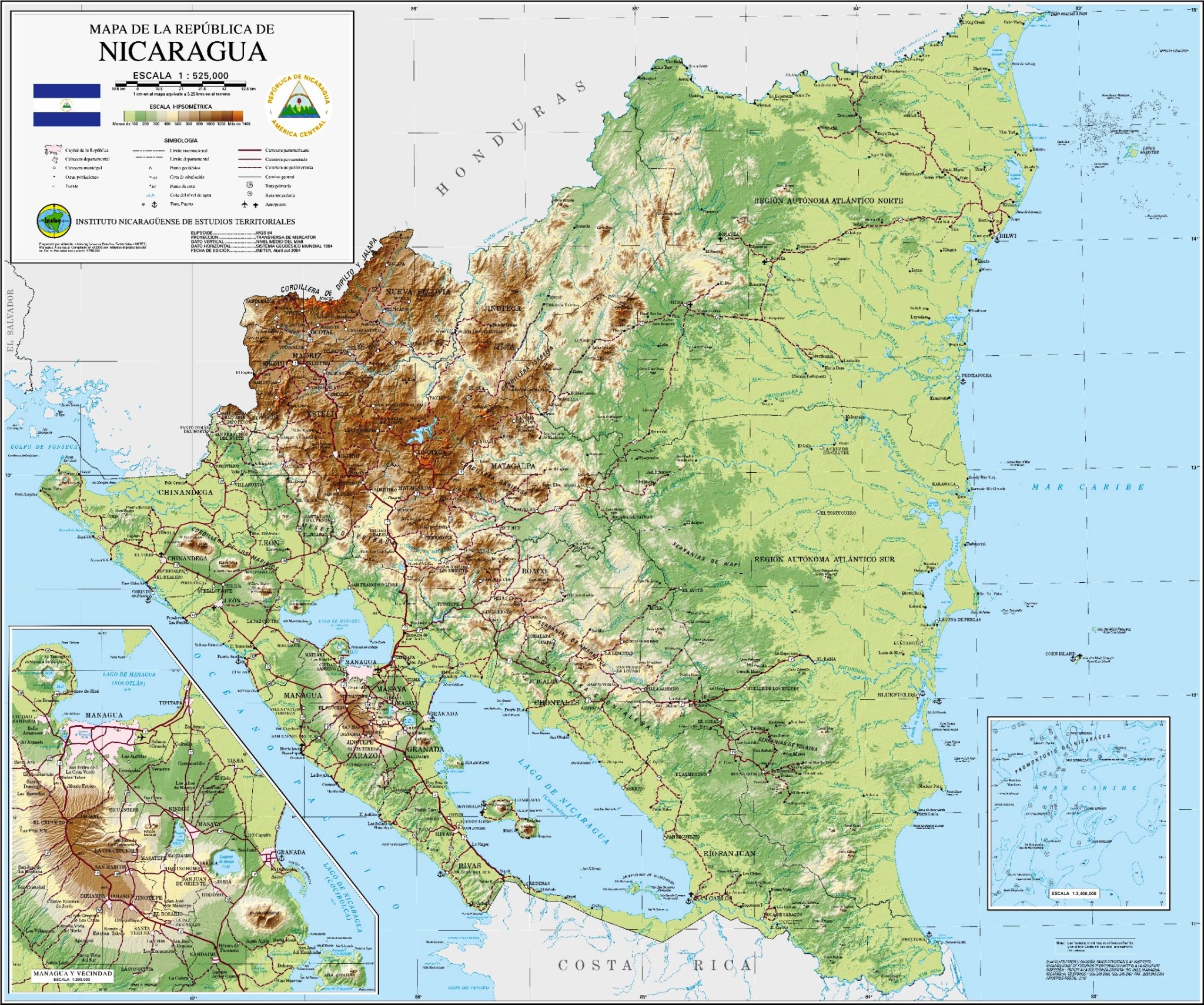
Nicaragua and Russia share a political and strategic alignment that has deepened through military pacts, diplomatic backing, and economic agreements. For President Daniel Ortega’s government, this partnership offers a counterweight to Western isolation and economic sanctions. For Moscow, Managua serves as a key diplomatic anchor and strategic foothold in Central America.
Understanding this relationship requires looking beyond surface-level trade headlines to examine the defense frameworks, geopolitical messaging, and regional friction points defining this modern alliance.
Historical Roots and the Cold War Legacy
The modern partnership between Managua and Moscow didn't appear overnight. It builds directly upon foundations laid during the Cold War. In the 1980s, the first Sandinista government relied heavily on the Soviet Union for military hardware, economic assistance, and ideological alignment. Nearly ninety percent of Nicaragua's military equipment during that era originated from the Soviet bloc.
When the Soviet Union collapsed, relations cooled significantly during the 1990s and early 2000s under successive center-right administrations in Nicaragua. However, when Daniel Ortega returned to power in 2006, he systematically revived ties with Moscow. To understand the bigger picture, check out the excellent report by The New York Times.
This revival mirrored a broader Russian foreign policy push under Vladimir Putin to re-establish a presence in Latin America. What began as symbolic diplomatic gestures steadily transformed into concrete operational agreements covering security, intelligence sharing, and infrastructure development.
Military Cooperation and Security Pacts
Security cooperation sits at the core of the Nicaragua-Russia axis. While trade volumes between the two countries remain modest compared to Nicaragua's ties with the United States or China, defense arrangements have expanded significantly.
- Formal Defense Pacts: Russia’s Federation Council ratified a comprehensive military cooperation agreement signed with Nicaragua, establishing formal guidelines for joint security initiatives, training, and logistical support.
- Infrastructure and Upgrades: Reports indicate that Moscow has financed and supported upgrades to Nicaraguan military and transport infrastructure, helping maintain legacy Soviet platforms like Mi helicopters and transport aircraft.
- Training and Intelligence: The partnership includes low-intensity military training, counter-narcotics coordination frameworks, and technical exchanges that keep Nicaraguan security forces closely linked to Russian advisors.
These military arrangements give Managua access to reliable defense maintenance and equipment without the human rights conditionalities typically attached to Western security assistance.
Diplomatic Alignment on the Global Stage
Beyond hardware and bases, Nicaragua functions as a reliable voting bloc and rhetorical ally for Russia within international forums. In an era where Moscow faces severe diplomatic isolation from North America and Europe due to its war in Ukraine, Managua has offered unwavering public support.
Nicaragua was among the first nations to recognize Russia's annexation of Crimea and later extended formal recognition to Russian-claimed territories in eastern and southern Ukraine. These moves led to swift diplomatic fallout, including Ukraine cutting diplomatic ties with Managua.
For Ortega, backing Moscow's foreign policy positions secures reciprocal diplomatic protection. Russia regularly uses its veto power and global platform to shield the Nicaraguan government from international condemnation regarding democratic backsliding, human rights abuses, and crackdowns on civil society.
Economic Ties and Limitations
While political and military relations run deep, economic integration tells a more modest story. Bilateral trade between Russia and Nicaragua represents a fraction of Central America's broader commercial activity. Nicaragua primarily exports agricultural products such as coffee, sugar, and beef, while importing wheat, fertilizers, and manufactured goods from Russia.
Several hurdles limit exponential economic growth between the two nations:
- Geographic Distance: High shipping costs and complex logistics routes across the Atlantic Ocean make large-scale commodity transport expensive.
- Sanctions Pressures: Extensive international financial sanctions targeting Russian banks make standard payment processing, commercial lending, and direct foreign investment exceptionally difficult.
- Market Scale: Nicaragua’s domestic market size limits the commercial return for major Russian corporate investment outside of specialized state-backed projects.
Despite these barriers, both governments frequently sign memorandum agreements aimed at boosting agricultural projects, technological cooperation, and municipal partnerships—such as sister-city arrangements between regional towns—to maintain the appearance of a dynamic, multi-sector partnership.
Regional Implications and Western Concerns
Washington and other Western capitals monitor the Nicaragua-Russia partnership with growing apprehension. Analysts often debate whether Nicaragua serves as a genuine military threat or merely a symbolic megaphone for anti-Western sentiment.
Most regional experts view Nicaragua as a space for political resonance rather than a staging ground for a major offensive deployment. Even so, the presence of Russian intelligence assets, electronic monitoring capabilities, and training personnel in Central America introduces friction into hemispheric security dynamics. By welcoming Moscow, the Ortega regime leverages external backing to insulate itself from regional pressure, ensuring that domestic authoritarian consolidation faces minimal external penalty from eastern partners.
Frequently Asked Questions
Do Russian troops have permanent bases in Nicaragua?
No. While bilateral military agreements allow for port visits by Russian naval vessels, technical cooperation, and joint training exercises, they do not establish a permanent, large-scale Russian combat base akin to Cold War-era installations.
How does trade between Russia and Nicaragua compare to other partners?
Trade remains relatively small. Nicaragua's primary trading partners remain the United States, neighboring Central American countries, and increasingly China, whereas trade with Russia makes up a minor percentage of total national imports and exports.
Why does Nicaragua consistently support Russia at the United Nations?
The Ortega administration views alignment with Moscow as a crucial diplomatic shield. In exchange for supporting Russian geopolitical positions—such as recognizing disputed territories—Nicaragua gains an ally with UN Security Council influence willing to block Western-led censure.
Are there economic sanctions affecting this relationship?
Yes. Broad international sanctions targeting Russia's financial sector complicate direct banking transactions and trade financing between Moscow and Managua, forcing both nations to find alternative, workaround mechanisms for bilateral transactions.



