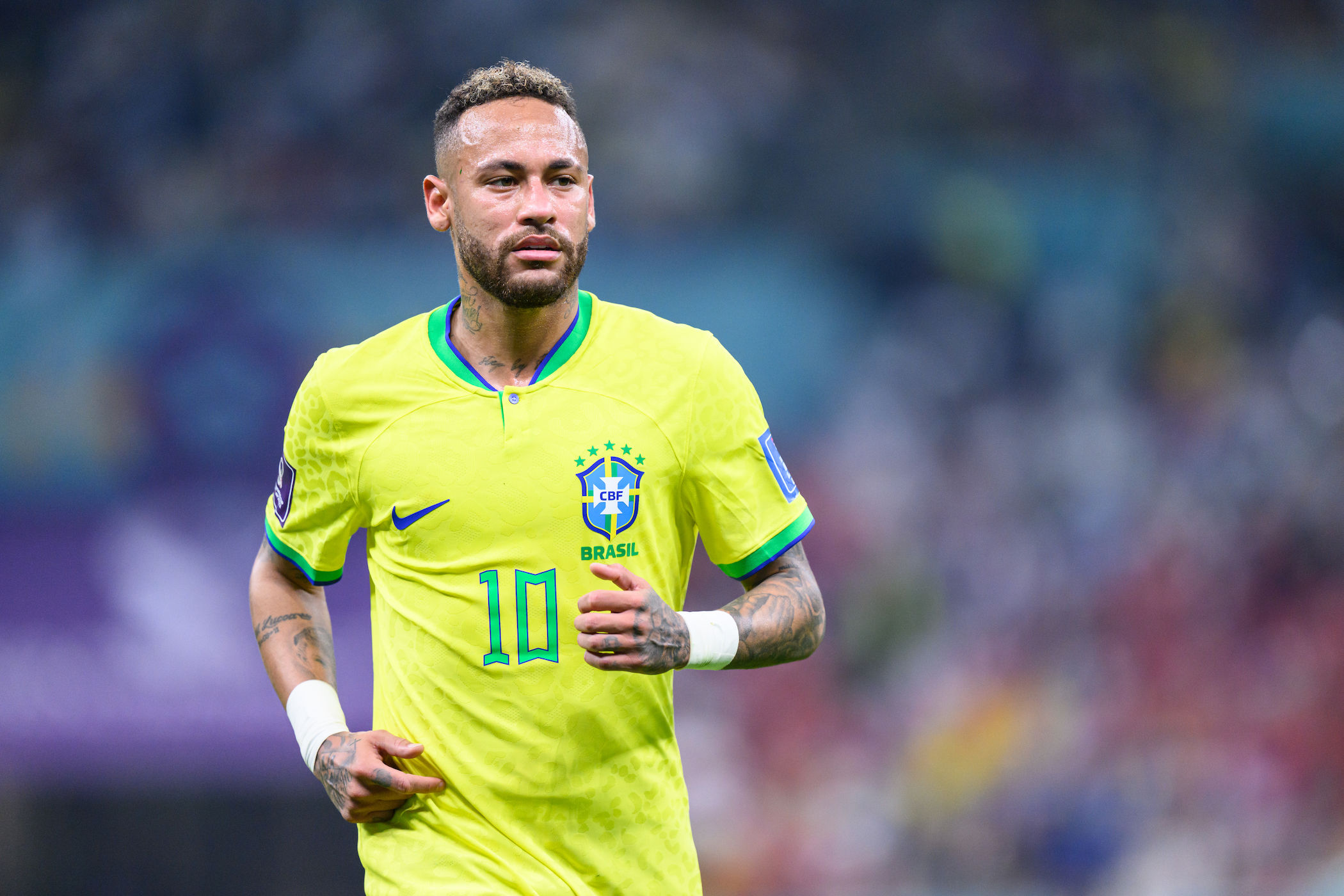
In August 2017, Paris Saint-Germain triggered a €222 million release clause to sign Neymar from Barcelona. This single transaction doubled the world transfer record overnight, shattering historical spending ceilings and altering how elite football clubs value elite talent. It wasn't just a player acquisition; it was an economic watershed moment that permanently reshaped the global sport's financial structure.
Understanding the magnitude of this move requires looking past the headline figure. The transfer exposed structural flaws in contract buyout mechanisms, triggered hyper-inflation across European club recruitment, and left Barcelona scrambling through a cascade of miscalculated reinvestments.
The Mechanics of the 222 Million Release Clause
Spanish football regulations require professional contracts to include a buyout clause. For years, clubs set these figures at astronomical heights specifically to deter prospective buyers. When Barcelona renewed Neymar's contract, they inserted a €222 million clause, assuming no club on earth would ever pay it.
Paris Saint-Germain, backed by Qatar Sports Investments, viewed that figure differently. They recognized that modern state-backed football ownership operated under entirely different balance sheets than traditional European powerhouses.
The execution of the payment turned into a bizarre legal standoff. On August 3, 2017, lawyers representing Neymar arrived at La Liga's headquarters in Madrid to deposit the €222 million check. La Liga president Javier Tebas refused to accept the payment, arguing it violated Financial Fair Play (FFP) rules by artificially inflating commercial revenues.
Because La Liga rejected the deposit, Neymar’s legal team bypassed the league entirely. They walked directly into Barcelona’s corporate offices and delivered the funds straight to the club. Barcelona accepted the payment, declared the contract terminated, and handed over the player's registration. The loophole worked, proving that mandatory release clauses could always be breached if a buyer possessed enough liquidity.
Why PSG Paid Double the Previous World Record
Before August 2017, the world record stood at approximately €105 million, paid by Manchester United to Juventus for Paul Pogba in 2016. PSG's decision to leap straight to €222 million was calculated for reasons far beyond athletic performance on the pitch.
- Geopolitical Soft Power: Ownership groups looking to project global influence needed an undisputed icon. Securing a player of Neymar's commercial gravity positioned Paris as a central hub of global sports culture.
- Commercial and Brand Valuation: PSG understood that owning a global superstar alongside Kylian Mbappé would exponentially scale shirt sales, international broadcasting rights, and high-profile sponsorship deals.
- The Champions League Obsession: The ultimate objective in Paris was winning Europe's premier club competition. Management believed that acquiring a player who had already lifted the Champions League trophy with Barcelona was a necessary shortcut to continental supremacy.
The Immediate Aftermath and Market Inflation
Barcelona found themselves holding an unprecedented mountain of cash, but the windfall proved toxic. Every selling club in Europe instantly realized that Barcelona was desperate and flush with €222 million.
Instead of building a structured, long-term squad overhaul, the Catalan club entered a cycle of reactive, inflated purchases. Within weeks, they committed €105 million plus add-ons to sign Ousmane Dembélé from Borussia Dortmund. Later, they invested heavily in Philippe Coutinho and Antoine Griezmann.
Altogether, Barcelona burned through more than €345 million trying to replace a single player. This spending spree compounded internal debt crises that crippled the club's financial health for years to come.
More broadly, the transfer destroyed the traditional scaling of transfer fees. Overnight, the €100 million barrier transformed from an unthinkable milestone into a routine price tag for promising young talent. Mid-tier clubs began demanding premium fees because the baseline market value had shifted permanently upward.
Common Misconceptions About the Deal
Popular narratives often mischaracterize how the transaction was financed and regulated.
- The FFP Evasion Myth: Many fans assume PSG paid the €222 million directly out of annual operational revenue. In reality, the operation was structured through complex sponsorship arrangements and capital injections designed to comply—on paper—with UEFA's monitoring systems, though it prompted years of regulatory investigations.
- Installment Fallacy: While accounting practices allow clubs to amortize a player's transfer fee over the length of their contract for bookkeeping purposes, the release clause itself had to be paid in full upfront to trigger the contract termination.
- The Neymar Factor Alone: While Neymar's move doubled the record, it arrived during an era of exploding television broadcast rights deals. If PSG hadn't triggered the clause in 2017, another club likely would have broken the €200 million threshold within a few seasons anyway.
Frequently Asked Questions
Did Financial Fair Play penalize PSG for the Neymar transfer?
UEFA investigated PSG extensively following the transfer. While direct sanctions did not block the move, the intense scrutiny forced European football governing bodies to tighten regulations regarding state-backed club sponsorships and wage-to-revenue ratios.
What was Neymar's salary at PSG?
Neymar signed a lucrative five-year contract reporting roughly €30 million in net annual wages, making him one of the highest-paid athletes in global team sports at the time.
Did PSG win the Champions League with Neymar?
No. Despite assembling an expensively constructed squad featuring Neymar, Kylian Mbappé, and Lionel Messi, PSG failed to win the Champions League during Neymar's tenure, which ended when he transferred to Al-Hilal in 2023.
How did the transfer affect future release clauses in Spain?
Following the fallout, Spanish clubs began inserting prohibitively massive release clauses—often reaching €1 billion—into the contracts of young star players to prevent other teams from ever repeating PSG's maneuver.


.jpg)
