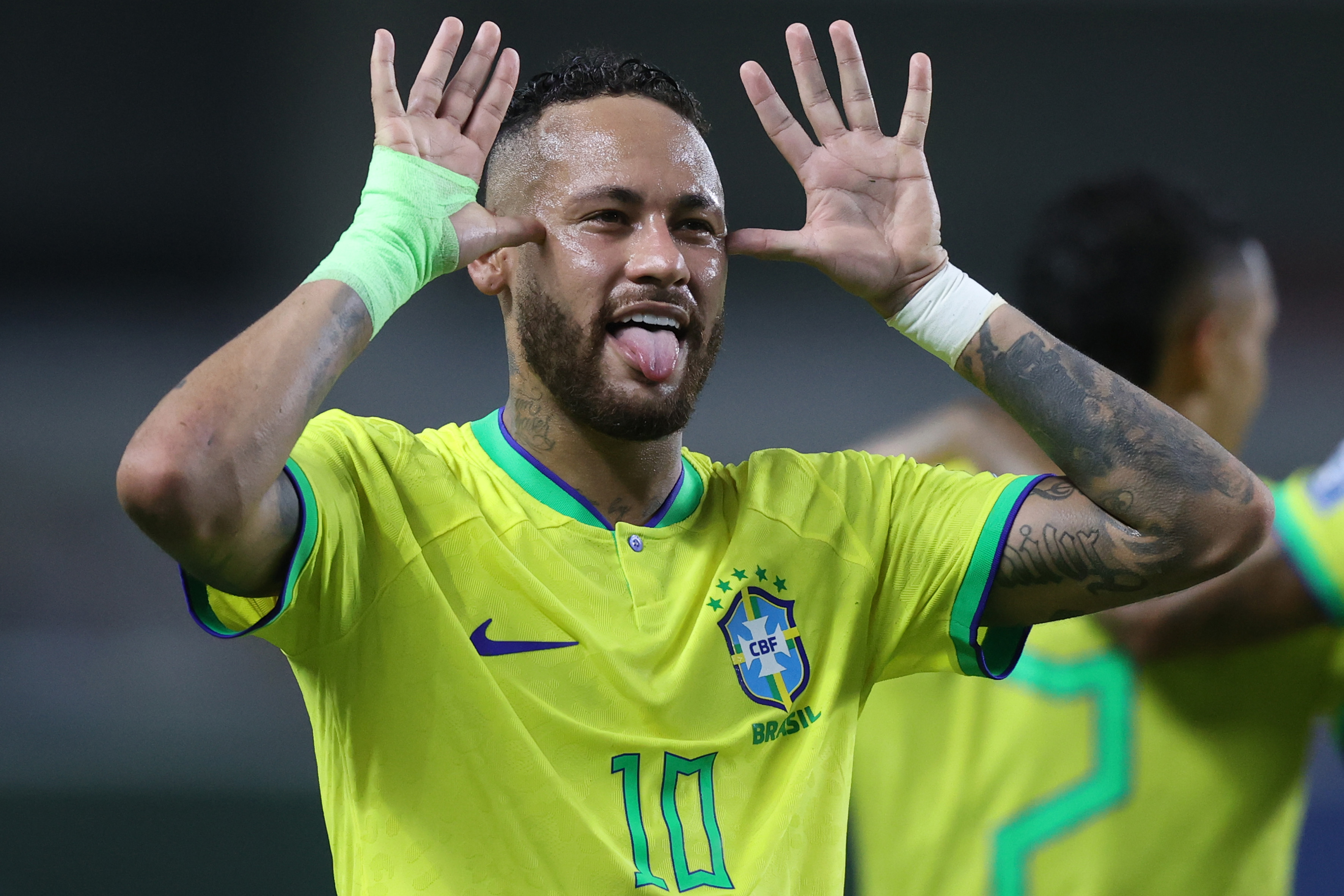
When two heavyweights from entirely different corners of Brazilian culture collide, the ecosystem shifts. Neymar and Felipe Neto represent two distinct pillars of modern influence: elite global sports and digital-first content creation. While a casual glance might group them simply as internet-famous personalities, their trajectories reveal a deeper story about how digital distribution, fan engagement, and public image management operate in contemporary Latin America.
Understanding this dynamic requires looking past surface-level headlines. We're examining two figures who command tens of millions of followers, dictate cultural conversations, and navigate the volatile intersection of sports, business, and digital media. Let's break down how their respective domains overlap, where they clash, and why their digital footprints matter to the broader entertainment economy.
The Intersection of Traditional Athletics and Digital Media
The boundary between being an athlete and being a digital media asset has effectively dissolved. For years, athletes relied on traditional broadcast media, television interviews, and press conferences to shape their public narratives. That model is dead.
Today's sports stars operate media empires of their own. They stream video games on Twitch, run high-production YouTube channels, and manage multi-platform branding deals that rival corporate entities. More analysis by Bloomberg delves into comparable views on the subject.
- Direct Audience Control: Players don't wait for journalists to frame their stories; they post directly to millions of eager fans within seconds of a match ending.
- Monetization Beyond Salaries: Endorsements, streaming revenue, and digital merchandise sales often outpace traditional club wages.
- Content Integration: Tournaments like the Kings League and creator-led sporting events blur the lines between professional sport and digital entertainment.
This environment is precisely where creators like Felipe Neto built massive infrastructures. Having pioneered large-scale digital commentary and audience engagement in Brazil, digital entrepreneurs understand the mechanics of retention and algorithmic attention far better than traditional sports executives. When a football icon like Neymar enters the digital streaming space, he enters a domain where native internet creators set the rules of engagement.
Content Strategies: How Influence is Manufactured
If you want to understand how attention is captured in Brazil, you have to look at the numbers and the structural playbook behind them. Felipe Neto didn't become a digital titan by accident. His approach relies on rapid reaction cycles, socio-political commentary, and absolute saturation of current events.
Conversely, Neymar's digital presence relies on lifestyle aspiration, athletic brilliance, and the sheer gravity of being a global football superstar.
[Traditional Athlete] ---> Relies on Matches & PR ---> Mass TV Audience
[Digital Creator]     ---> Relies on Algorithms & Daily Output ---> Direct Community
[The Convergence]     ---> Both compete in the same attention economy on Instagram, YouTube, and TikTok
When these two worlds interact, friction is inevitable. Content creators analyze cultural movements for a living, treating public figures as moving parts in a massive media machine. Athletes, trained to perform in hyper-competitive physical environments, often react defensively when subjected to relentless digital critique. This creates a fascinating public tension where every social media like, unfollow, or public statement is dissected by millions.
The Business of Celebrity in the Digital Age
The economic reality of modern stardom extends far beyond pitch performance or video views. Brands don't just sponsor athletes or YouTubers; they invest in attention ecosystems.
- Sponsorship Shifts: Corporate sponsors demand cross-platform integration, requiring athletes to have active digital footprints.
- The Creator Economy: Independent production companies run by digital creators often generate higher engagement rates than legacy television networks.
- Reputation Management: PR crises spread globally in minutes, forcing both athletes and digital moguls to maintain sophisticated crisis response strategies.
For further reading on how digital media monetization is reshaping traditional industries, you can explore insights from Forbes on creator economics and digital branding trends.
Common Pitfalls in Analyzing Digital Feuds
Observers often misinterpret public disagreements between high-profile figures as purely personal animosities. In the realm of high-stakes digital entertainment, public friction serves a distinct purpose.
- Assuming Permanent Enmity: Public figures frequently clash over politics, sports commentary, or business ventures, only to find aligned interests later.
- Ignoring the Algorithm: Outrage and controversy drive engagement spikes. Digital commentators and athletes alike operate within an ecosystem that rewards visibility.
- Overlooking Professional PR: What looks like a spontaneous online spat is often managed by teams who understand the long-term value of keeping names trending.
Instead of viewing these interactions through a naive lens, analysts must look at the underlying economic incentives. Attention is currency. Whether through praise or fierce debate, staying relevant in the feed is the ultimate objective.
Frequently Asked Questions
Why do digital creators and football players frequently clash in public?
They operate in the same attention economy but come from fundamentally different cultures. Digital creators build their brands on constant commentary and critique, while professional athletes operate under intense competitive pressure where public criticism is often taken personally.
How do modern athletes manage their own media channels?
Most top-tier athletes employ dedicated media agencies and video production crews to manage their channels on platforms like YouTube, Twitch, and Instagram, ensuring professional quality that matches top-tier digital creators.
What role do social media algorithms play in celebrity disputes?
Algorithms reward high-engagement topics, meaning that disagreements between major cultural figures are automatically amplified across millions of feeds, extending the lifespan of a controversy far beyond a normal news cycle.
Can digital creators rival traditional sports media networks?
Yes. Many independent digital channels and creator-led streaming broadcasts now match or exceed the live viewership metrics of traditional cable television networks, particularly among younger demographics.
Neymar Highlights and Career Stats explains how global athletic performance data is tracked and analyzed across major international leagues.


