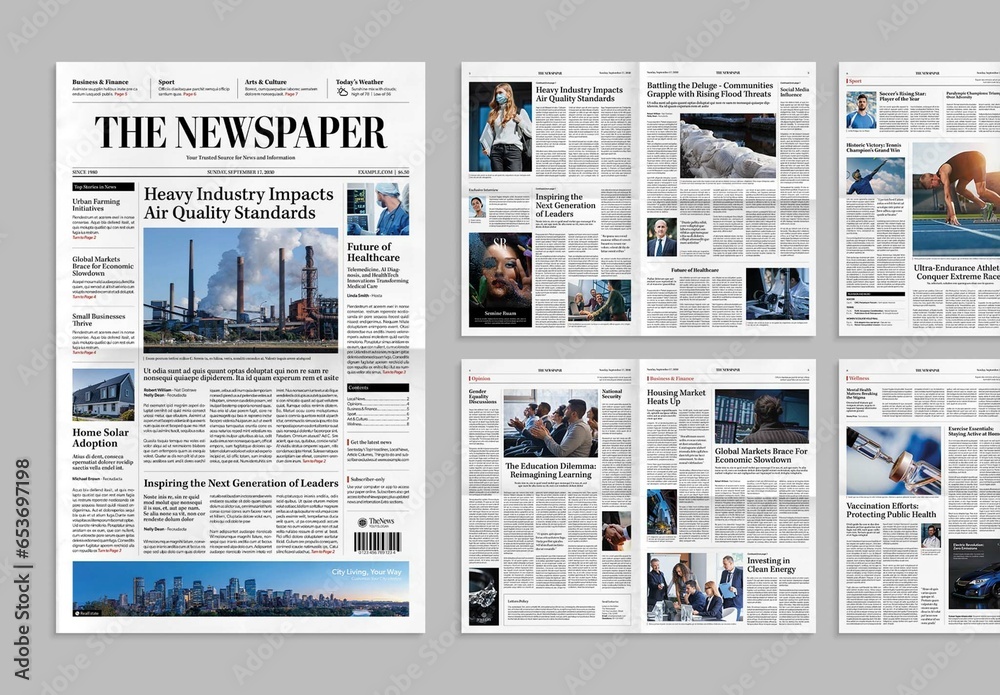
Finding physical print media isn't as straightforward as it used to be. Traditional home-delivery trucks have scaled back routes, and corner newsstands have largely vanished from city blocks. Yet, print readership remains steady among people who value the focus and tangibility of paper. If you want to hold a physical newspaper in your hands, the process requires knowing where to look and understanding how modern distribution works.
Getting physical newspapers today depends heavily on hybrid models, local retailers, and direct-to-publisher arrangements. Publishers rely less on independent neighborhood carriers and more on mail delivery or consolidated regional drop-offs. Whether you're hunting for a local daily, a national paper, or international journalism, several reliable channels remain open.
Direct Publisher Subscriptions via Mail
The most dependable way to receive a daily or weekly paper at home is through postal delivery. Major publications have transitioned away from dedicated carrier networks in many suburban and rural areas, partnering instead with national postal services like the United States Postal Service or Canada Post to drop papers directly into your mailbox alongside regular letters.
When you sign up for a mail subscription, your copy arrives during standard postal hours rather than in the early morning hours before dawn. To get more background on the matter, comprehensive coverage can be read on The New York Times.
- Timing adjustments: Delivery depends on mail schedules, meaning your morning paper might arrive in the afternoon.
- Coverage gaps: Some remote postal routes face multi-day delays for weekend editions.
- Holiday disruptions: Postal service closures mean adjustments to your print delivery schedule.
Local Retailers and Convenience Stores
If you don't want a subscription, corner stores, grocery chains, independent pharmacies, and gas stations remain major hubs for print distribution. Supermarkets like Kroger or regional grocery chains usually stock local city dailies, alongside popular national titles like The New York Times or The Wall Street Journal.
Purchasing single copies at retail requires knowing delivery windows. Distributors typically restock racks early in the morning, usually between 5:00 AM and 7:00 AM. If you drop by in the evening, you'll likely find empty racks or only leftover copies from previous days. Building a rapport with a local store clerk can also help; some neighborhood shops are willing to set aside a daily paper if you become a regular buyer.
Public Libraries and Community Hubs
Local public libraries offer free access to daily print newspapers without requiring a subscription. Most municipal library systems subscribe to regional papers and major national editions, keeping them available in reading rooms for public use.
Beyond public libraries, university campuses, community centers, and local coffee shops often purchase print subscriptions for their patrons. While you can't take these copies home, reading the daily news over a coffee provides a practical alternative to paying for an entire home subscription when you only want to scan the headlines.
Print-on-Demand and Independent Print Outlets
For independent zines, niche publications, or international papers that lack local distribution, print-on-demand services bridge the gap. Platforms like PressReader primarily focus on digital viewing, but regional print-on-demand services and specialized import shops allow readers to order physical copies printed closer to home or shipped directly.
Independent local weeklies often rely on free drop boxes located outside municipal buildings, local cafes, and community centers. These papers survive on local advertising revenue rather than cover prices, making them completely free to pick up if you know where your town's distribution boxes are placed.
Common Mistakes When Seeking Print Media
Navigating modern print distribution leads many readers into avoidable traps. Recognizing these mistakes saves time and frustration.
- Expecting dawn delivery: Assuming traditional 5:00 AM carrier delivery applies universally outside major urban cores usually leads to disappointment. Postal delivery runs on standard mail schedules.
- Ignoring digital-print bundles: Many publishers offer digital-only subscriptions at a low cost, but neglect to check if a print-inclusive bundle is available for a minor price increase.
- Visiting stores too late: Walking into a convenience store at 6:00 PM expecting the morning paper means competing with sold-out racks.
Transitioning away from legacy home-delivery networks doesn't mean print is dead. By utilizing postal subscriptions, checking local grocery racks early, or utilizing public libraries, you can still enjoy your daily reading routine.
Frequently Asked Questions
Can I still get daily home delivery from a local carrier?
In major metropolitan areas, dedicated early-morning newspaper carriers still operate. Outside dense urban zones, publishers shift home delivery to postal carriers, meaning your paper arrives with your regular mail.
Why are print newspapers harder to find in stores?
Retailers have reduced floor space dedicated to low-margin print products. Because circulations have declined, stores stock fewer copies to avoid unsold waste.
How do I find international newspapers in print?
Specialized newsstands in large cities, airport terminals, and digital-to-print ordering networks like NewspaperDirect provide access to international print editions.
Are weekend print editions still published?
Most major newspapers still print physical weekend or Sunday editions, even if they have reduced weekday print runs or transitioned entirely to digital formats from Monday through Friday.


