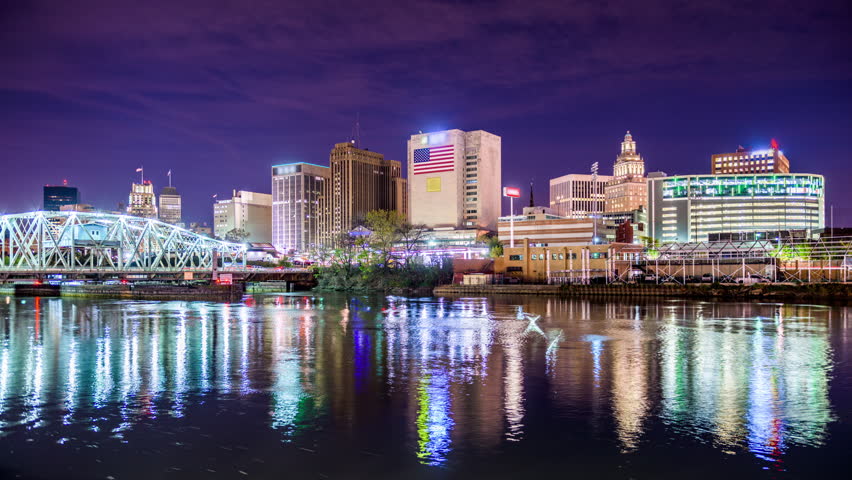
Navigating Newark, New Jersey requires a clear understanding of its distinct neighborhoods, transit hubs, and daily rhythms. While the city carries a reputation tied to historical crime rates, modern Newark is a tale of massive corporate investment, thriving cultural districts, and active urban revitalization sitting right next to persistent structural challenges. If you're planning a trip, a daily commute, or a permanent move, knowing how to separate safe corridors from high-risk blocks makes all the difference.
Understanding the reality of Newark safety means looking past generic citywide percentages. Crime in Newark is heavily concentrated in specific residential pockets and late-night hours, leaving major commercial zones, university campuses, and dining hubs largely secure during the day. This guide breaks down exact neighborhood boundaries, transit safety protocols, property protection, and local emergency resources so you can move through the city with confidence.
Evaluating Newark Crime Statistics Objectively
Citywide crime data often paints an alarmist picture because it aggregates every incident across a diverse municipality. According to FBI and local reporting metrics, Newark's overall crime rate sits higher than the national average, driven largely by property offenses and concentrated violent crime. However, raw averages don't explain your actual exposure as a visitor or resident.
- Violent Crime Context: Violent incidents in Newark primarily stem from targeted disputes, domestic altercations, or gang-related activity in specific residential sectors. Random attacks on strangers in commercial or tourist districts remain statistically rare.
- Property Crime Breakdown: Larceny-theft and motor vehicle theft represent the bulk of property offenses. Leaving valuables visible in parked cars or walking down quiet sidewalks staring at a high-end smartphone significantly raises your personal exposure.
- Day vs. Night Shift: Neighborhood dynamics shift dramatically after dark. Areas with heavy foot traffic, open businesses, and active policing during daylight hours require much higher vigilance once local commerce closes.
Safe Neighborhoods vs. High-Risk Zones
Newark is divided into five official wards alongside downtown commercial districts. Knowing which areas welcome steady foot traffic and which require caution keeps you out of trouble.
The Safest Areas to Live and Visit
- The Ironbound: Located east of Penn Station, this vibrant neighborhood is famous for Portuguese, Spanish, and Brazilian restaurants. It features dense residential streets, active nightlife, and heavy foot traffic, making it one of the most reliable places for visitors.
- Downtown and Military Park: The central business district houses major corporate offices, cultural venues like the Prudential Center, and government buildings. Security patrols are frequent, and daytime movement is entirely routine.
- Forest Hill: Situated in the city's North Ward near Branch Brook Park, Forest Hill offers historic architecture, wide residential streets, and a suburban feel within city limits.
- University Heights: Home to Rutgers University-Newark, NJIT, and Essex County College, this district maintains a heavy security presence, though common-sense perimeter awareness is still necessary.
Areas Requiring Extra Caution
- South Ward: Neighborhoods such as Weequahic and Clinton Hill experience higher rates of violent offenses and property crimes, particularly around isolated residential blocks and park perimeters after dark.
- West Ward: Sections including Vailsburg deal with elevated property crime and street-level disturbances that require visitors to stay on main thoroughfares.
- Springfield-Belmont: Located near central transit arteries, this area features high numbers of vacant lots and historical commercial disinvestment, offering few attractions for casual visitors.
Transit Safety and Commuter Best Practices
Newark serves as a massive regional transportation nexus, anchored by Newark Penn Station and Newark Liberty International Airport. Navigating these hubs safely requires deliberate habits.
- Managing Newark Penn Station: Thousands of commuters pass through daily via NJ Transit, Amtrak, and the PATH train. While the main concourses are heavily monitored, platforms and surrounding exits can become crowded and chaotic. Secure your wallet or bag before entering the station gates.
- Avoiding Late-Night Platform Loitering: If your train arrives late at night, plan your transit connection beforehand so you aren't standing outside station doors checking maps or looking for rideshares.
- Rideshare and Taxi Protocols: Never accept rides from unverified drivers who approach you inside terminal buildings or station lobbies. Use official rideshare apps (Uber or Lyft) or licensed taxi stands, and verify the vehicle's license plate before opening the door.
Essential Urban Security Rules for Daily Life
Protecting yourself in an urban environment comes down to minimizing vulnerability and projecting situational awareness.
- Keep Devices Stowed: Don't walk near street curbs holding your phone out for navigation or music selection. Distracted pedestrians are primary targets for quick-footed phone snatchers on bicycles or electric scooters.
- Harden Your Vehicle: If you own a car in Newark, never leave shopping bags, electronics, or loose change visible on seats. Park in well-lit private lots or secure garages whenever possible instead of relying exclusively on street parking.
- Stick to Lit Arteries: If you're walking between a restaurant and your hotel at night, choose commercial corridors with open storefronts and streetlights, even if it adds a few blocks to your route. Avoid cutting through empty parks, dark alleyways, or industrial zones.
- Travel with Purpose: Move like you know where you're going. Pausing frequently to look lost or confused signals vulnerability to opportunistic petty thieves.
Local Emergency Resources and Support
Knowing who to call and where to turn if an incident occurs is an essential part of safety planning.
- Emergency Services: Dial 911 for immediate police, fire, or medical emergencies within city limits.
- Newark Police Department Non-Emergency: Reach the NPD dispatch line at (973) 733-6000 for non-urgent property damage reports or suspicious activity.
- Campus Public Safety: If you are studying or working near University Heights, save the Rutgers University Police Department number at (973) 353-5111 or NJIT Public Safety at (973) 596-3111.
- Victim Support: The Essex County Office of Victim-Witness Advocacy provides guidance and support services for individuals affected by crime.
Frequently Asked Questions
Is it safe to walk alone at night in Newark?
Walking alone at night is strongly discouraged outside of densely populated, active commercial zones like the Ironbound or downtown restaurant strips. On quiet residential blocks or near transit approaches after dark, take a rideshare or licensed cab instead of walking.
How safe is Newark Liberty International Airport for travelers?
The airport itself is heavily secured and monitored by port authority police. However, travelers should remain vigilant when transitioning from airport terminals to rental car lots, hotel shuttles, or regional trains, keeping luggage close at all times.
Which parts of Newark should tourists visit?
Tourists frequently visit the Ironbound district for dining, the Prudential Center for concerts and sports events, Military Park for public events, and the Newark Museum of Art in the North Ward. Sticking to these established cultural anchors ensures a smooth experience.
What should I do if my car is broken into or stolen?
Do not disturb the vehicle if you notice a break-in while returning to it. Move to a safe, well-lit indoor location and call the Newark Police non-emergency or emergency line immediately to file an official report for insurance and municipal tracking purposes.



