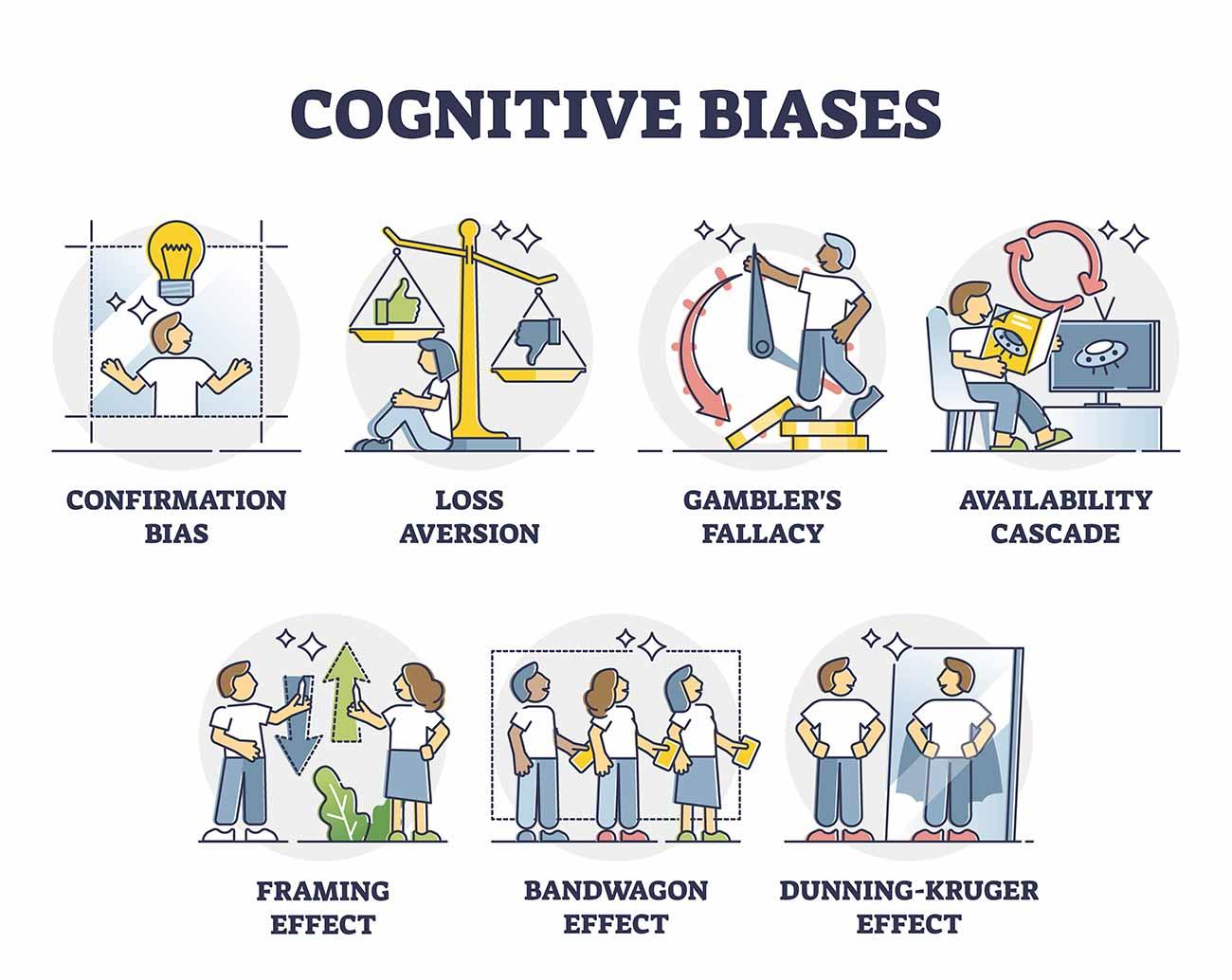
When a paper like The New York Times covers a major athletic event, it doesn't just report the final score. It frames the narrative around teams, players, and institutional ethics. This high-profile reporting directly impacts how fans perceive sports, driving intense debates across digital platforms. Rather than merely documenting box scores, major cultural publications project societal values onto athletic competitions, transforming routine games into cultural battlegrounds.
The primary driver behind this dynamic is the intersection of prestige journalism and tribal fandom. When a traditional institution known for hard news applies its investigative lens to sports, casual observers and hardcore supporters react differently. Readers look for validation of their favorite franchises, while institutional journalists look for systemic angles, labor issues, and social implications. This gap creates an ongoing friction point where fans accuse elite media outlets of cultural condescension or institutional bias.
The Mechanics of Narrative Framing in Sports Journalism
Elite journalism relies heavily on framing techniques to make athletic competitions resonate with a general audience that might not care about sports X-and-Os. Editors select specific angles—such as financial disparities, executive accountability, or social justice movements—to anchor their game day reports.
- The David vs. Goliath Dynamic: Coverage often elevates small-market franchises into moral symbols while casting big-spending teams as corporate villains.
- The Societal Mirror: Athletic leagues are routinely used as testing grounds for broader political and cultural discussions.
- Institutional Accountability: Investigative pieces focus heavily on governance, stadium funding, and player safety, alienating fans who treat sports purely as an escape.
When a publication emphasizes governance and social context over raw athletic achievement, fans of the affected teams feel targeted. They perceive an underlying agenda that devalues their emotional investment in the franchise.
Fan Perception and the Echo Chamber Effect
Modern sports consumption happens inside hyper-connected digital echo chambers. Platforms like Reddit, X (formerly Twitter), and team-specific message boards act as amplifiers for perceived slights. If a prominent national outlet publishes an analytical critique of a star player's behavior or a franchise's ownership group, fan communities immediately label the outlet as biased.
This dynamic alters how supporters consume sports news. Instead of reading an article for deep tactical analysis, fans scan the text for loaded adjectives or perceived editorial leaning.
"When sports reporting shifts from box scores to cultural critique, supporters stop reading the publication to learn about the game and start reading to defend their tribal identity."
This defensiveness creates a polarized environment. A critical piece on player compensation or league safety protocols is rarely debated on its merits alone. Instead, it triggers a reaction where fans attack the integrity of the publishing institution, asserting that coastal media elites don't understand regional sports culture.
How Elite Outlets Shape Public Debate Beyond the Game
National newspapers hold disproportionate influence over which sports stories enter the mainstream cultural conversation. While regional beat writers focus on daily team operations, national desks decide which athletic stories matter to the broader public.
Consider how major investigations into head trauma in football or systemic governance failures in international soccer originated outside traditional sports desks. By elevating these stories to the front page or the main news feed, outlets like The New York Times force sports leagues to address systemic issues. However, this agenda-setting power frustrates purists who view sports primarily as entertainment rather than an extension of sociopolitical journalism.
- Agenda Setting: National editors determine which sports stories deserve mainstream cultural attention.
- The Legitimacy Shield: Inclusion in paper-of-record coverage validates niche or amateur sports, altering public funding and viewership patterns.
- Moral Framing: Athletes are frequently transformed into symbols of civic virtue or caution, impacting their commercial endorsement potential.
Common Pitfalls in Analyzing Sports Media Bias
Observers attempting to evaluate sports journalism bias often fall into predictable traps. Recognizing these errors helps clarify how media influence actually operates.
- Conflating Editorial Voice with Reporting: Readers often attribute analytical opinion pieces or investigative deep dives to the daily game-day reporting desk, failing to separate news from commentary.
- Confusing Tone with Malice: Using elevated literary prose or critical phrasing to describe a franchise's front office is frequently misread as a personal animosity toward the team's fanbase.
- Ignoring Structural Pressures: National outlets operate under distinct economic and institutional mandates that prioritize investigative depth over hometown boosterism.
Frequently Asked Questions
Why do national newspapers cover sports differently than local beat writers?
Local beat writers focus on day-to-day team operations, roster moves, and game outcomes to serve a dedicated regional audience. National publications focus on systemic trends, business practices, labor relations, and cultural impact to engage a general readership.
Does critical sports journalism actually change how fans behave?
While critical coverage rarely stops someone from supporting their team, it influences public policy debates surrounding stadium subsidies, safety regulations, and the accountability of sports leagues.
Why do fans accuse mainstream journalists of bias?
Accusations usually arise when an outlet applies outside scrutiny to sacred cultural traditions, or when editorial framing conflicts with a fan's idealized view of their favorite franchise.
How can readers distinguish between objective reporting and editorial framing in sports?
Check the byline and section marker. Articles labeled as opinion, analysis, or investigative features explicitly prioritize perspective and critique, whereas game summaries and straight news briefs focus primarily on verified facts and box scores.



