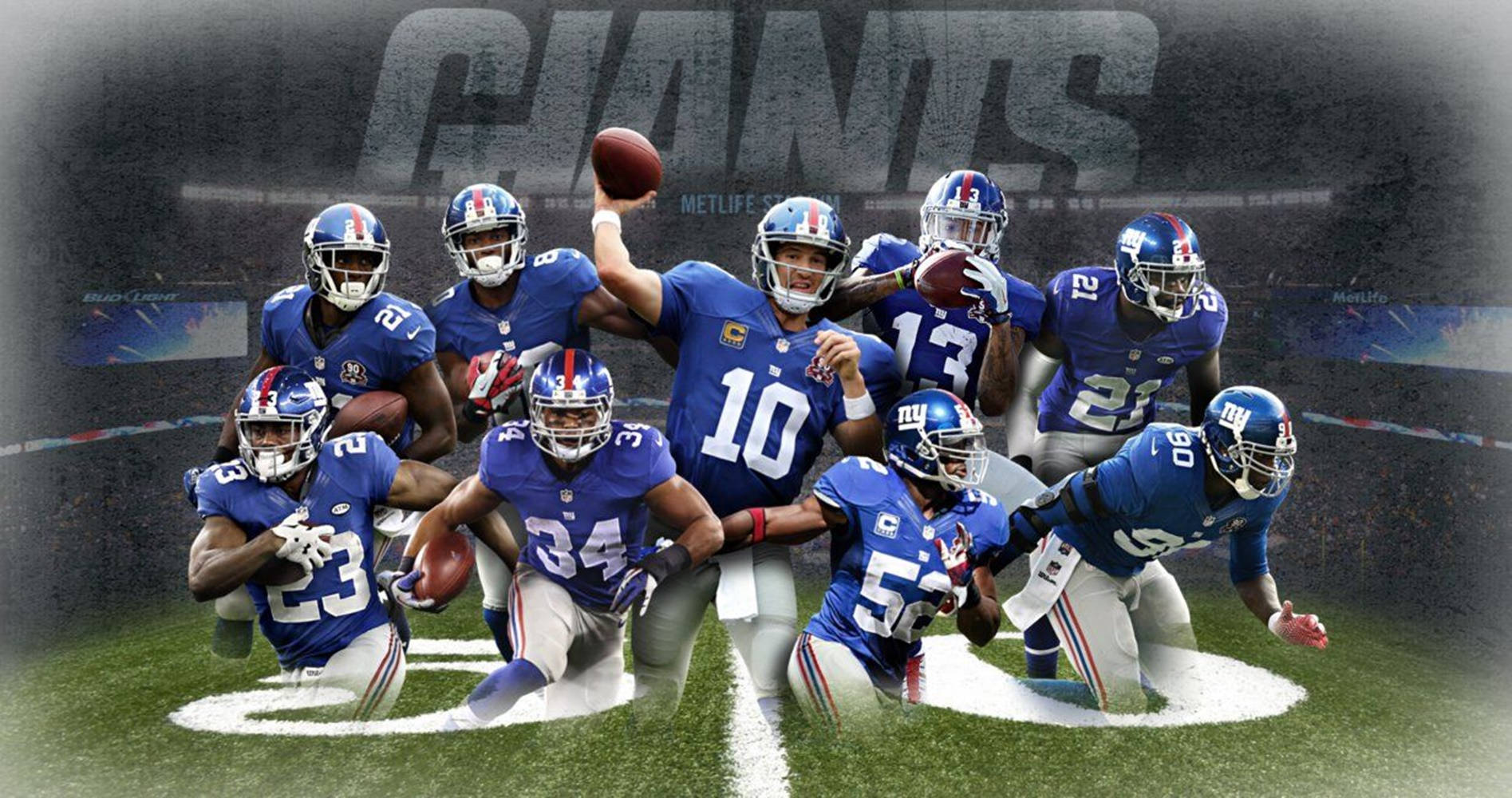
The matchup between the New York Giants and the New York Jets isn't built on intense divisional hatred or annual playoff clashes. Instead, it's defined by geography, shared real estate, and the unique friction of two fan bases coexisting within the same metropolitan area. While teams in other sports fight for city dominance across different boroughs or arenas, these two NFL franchises share an unusual distinction: they play their home games in the exact same stadium.
Understanding this local rivalry requires looking past traditional conference boundaries. Because the Giants play in the NFC and the Jets play in the AFC, they only face each other during the regular season once every four years. Yet the psychological battleground for bragging rights remains active 365 days a year. From the logistical puzzle of transforming a stadium overnight to the historical shifts from Queens and Manhattan to the New Jersey Meadowlands, the story of New York football is a masterclass in shared infrastructure.
The Evolution of Shared Stadiums
For decades, the two franchises occupied separate corners of the New York sports landscape before fate and finance brought them together. The Giants, founded in 1925, originally played at the Polo Grounds before moving to Yankee Stadium. Meanwhile, the Jets—born as the Titans of New York in 1960—played at the Polo Grounds and later moved to Shea Stadium in Flushing, Queens.
The turning point for shared housing came in 1984. The Jets left Shea Stadium and crossed the Hudson River to rent space at Giants Stadium in East Rutherford, New Jersey. What began as a tenant-landlord arrangement evolved into an equal partnership. By the mid-2000s, both organizations recognized that Giants Stadium lacked the modern revenue-generating amenities found across the league.
Instead of building separate facilities, the two teams formed a 50-50 joint venture to construct MetLife Stadium, which opened in 2010 at a cost of $1.6 billion. This partnership remains entirely unique in professional American sports. No other NFL stadium is jointly owned and operated by two distinct competing franchises.
Logistics of the Ultimate Stadium Swap
Sharing a stadium creates a massive weekly operational challenge. During the NFL season, the stadium operations crew frequently has to flip the entire venue from one team's aesthetic to the other in less than 24 hours if back-to-back home games occur.
The transition process involves changing hundreds of branded elements:
- Swapping out massive exterior banners and digital signage around the perimeter.
- Replacing end-zone turf paint and wall padding.
- Converting the retail merchandise stores from blue to green.
- Adjusting the locker room branding to reflect the incoming host team.
To streamline this turnaround, the neutral 50-yard-line logo typically features the NFL shield rather than a team emblem, minimizing the workload for the ground crew. This seamless transformation allows two massive operations to function smoothly under one roof without operational overlap.
Head-to-Head History and Defining Encounters
Because they play in different conferences, the official regular-season series history is surprisingly sparse. Since their very first meeting on November 1, 1970—a 22-10 Giants victory at Shea Stadium—the teams have played each other fewer than twenty times in the regular season.
The Giants hold a narrow edge in the all-time series, but individual games often carry outsized weight for local bragging rights. For instance, the 2011 matchup carried immense tension when the Jets playfully covered up the Giants' Super Bowl imagery in the shared facility, only for the Giants to secure a 29-14 victory on their march toward Super Bowl XLVI. More recently, the Jets secured a gritty overtime win in 2023, shifting momentum in the modern era of the matchup.
You can review complete historical schedules and box scores directly through Pro Football Reference.
Economic and Fan Base Dynamics
The financial logic behind sharing MetLife Stadium is straightforward. Splitting construction costs, land leases, and infrastructural maintenance lightens the burden on both ownership groups. However, the arrangement creates a distinct cultural dynamic among fans.
Giants fans often point to the franchise's four Super Bowl titles as the benchmark of local football success, while Jets fans lean into the legacy of Super Bowl III and the underdog identity of the franchise. Despite the shared zip code in New Jersey, supporters fiercely debate which team truly captures the spirit of the New York metropolitan area.
For official league updates, team rosters, and ticketing information, visit the National Football League Official Site.
Frequently Asked Questions
Do the Giants and Jets ever play at home on the same day?
No. The NFL scheduling office coordinates with MetLife Stadium operations to ensure both teams never host a home game on the same calendar day, preventing massive traffic gridlocks and parking conflicts in the Meadowlands.
Why is MetLife Stadium located in New Jersey if both teams represent New York?
Finding available land within the five boroughs of New York City to build an 80,000-seat stadium with adequate parking is virtually impossible from a logistical and financial standpoint. The Meadowlands sports complex provides major highway access and sufficient acreage while remaining minutes away from Manhattan.
Can either team leave MetLife Stadium early?
The joint agreement includes specific lease terms and opt-out windows. While both franchises are heavily invested in the facility, operational discussions and independent stadium proposals surface periodically among ownership groups.
Have the Giants and Jets ever played against each other in the playoffs?
No. Because they reside in different conferences (NFC and AFC), a postseason matchup would require both teams to reach the Super Bowl, an event that has not happened in the history of the franchises.


