The New Jersey Secretary of State operates as a cornerstone of state administration, yet many residents rarely think about the office until an election cycle peaks or a corporate filing hits a snag. Unlike states where voters choose this executive directly at the ballot box, New Jersey’s executive branch relies on an appointment model. Established under the state constitution, the office handles much more than ceremonial duties, shaping everything from business compliance to statewide electoral integrity. Understanding what this office does reveals the structural mechanisms that keep New Jersey functioning behind the scenes.
The Constitutional Origins and Appointment Process
The position dates back to the state's first constitution in 1776, making it older than many federal institutions. Under Article V, Section 4 of the modern New Jersey Constitution, the governor nominates and appoints the Secretary of State with the advice and consent of the state Senate. An exception allows the governor to appoint the lieutenant governor to hold the post simultaneously without separate Senate confirmation.
The secretary serves a term that runs alongside the governor's administration. This appointment structure means the office closely mirrors the priorities of the sitting executive administration, aligning state department objectives with broader public policy goals.
Chief Election Official and Democratic Oversight
One of the most high-profile responsibilities involves serving as the state's chief election official. Through the New Jersey Division of Elections, the office sets statewide standards, provides guidance to county clerks, and ensures compliance with both state and federal voting laws.
While local county boards handle day-to-day polling place operations, the state-level department oversees several critical functions:
- Election Certification: The office formally certifies the final results of primary, general, and special elections across the state.
- Voter Registration Systems: It maintains overarching oversight of voter database standards to ensure accuracy and eligibility compliance.
- Campaign Compliance: The division monitors adherence to campaign finance reporting regulations and transparency laws.
These mechanisms became particularly critical during modern shifts toward expanded mail-in voting, early voting expansions, and the integration of secure electronic voter registration databases.
Economic Engine: Business Filings and Commerce
Beyond elections, the department functions as the state's primary business registry through commercial filing divisions. Entrepreneurs launching a limited liability company, corporations filing annual reports, or enterprises seeking a certificate of authority interact directly with the administrative machinery overseen by the Secretary of State.
The office manages corporate recordkeeping, Uniform Commercial Code (UCC) filings, and trademark registrations. By streamlining these filings into digital portals, the state processes hundreds of thousands of corporate transactions annually. These services generate vital revenue for the state budget while providing the legal foundation necessary for commercial operations. For official filing guidelines and portal access, check the New Jersey Department of State portal.
Cultural Preservation and State Archives
The department's portfolio extends into public history and civic life. The Secretary of State acts as the keeper of the Great Seal of the State, validating official state documents, proclamations, and legislative acts.
Additionally, the agency oversees vital cultural divisions:
- New Jersey State Archives: Preserves historical manuscripts, colonial records, and genealogical documents.
- New Jersey State Council on the Arts: Distributes grants and supports public artistic programs.
- Historical Commission: Promotes public education regarding the state's rich revolutionary and industrial history.
These programs ensure that public identity and historical heritage remain accessible to researchers, students, and citizens. For historical documents and records requests, visit the New Jersey State Archives directory.
Frequently Asked Questions
Is the New Jersey Secretary of State elected by voters?
No. Unlike most other states where voters elect the position directly, the New Jersey Secretary of State is appointed by the governor with the advice and consent of the state Senate.
Does the Secretary of State run local polling places?
No. Local county boards of elections and municipal clerks handle day-to-day polling operations, while the state division establishes overarching standards, issues guidance, and certifies final vote tallies.
Where is the office located?
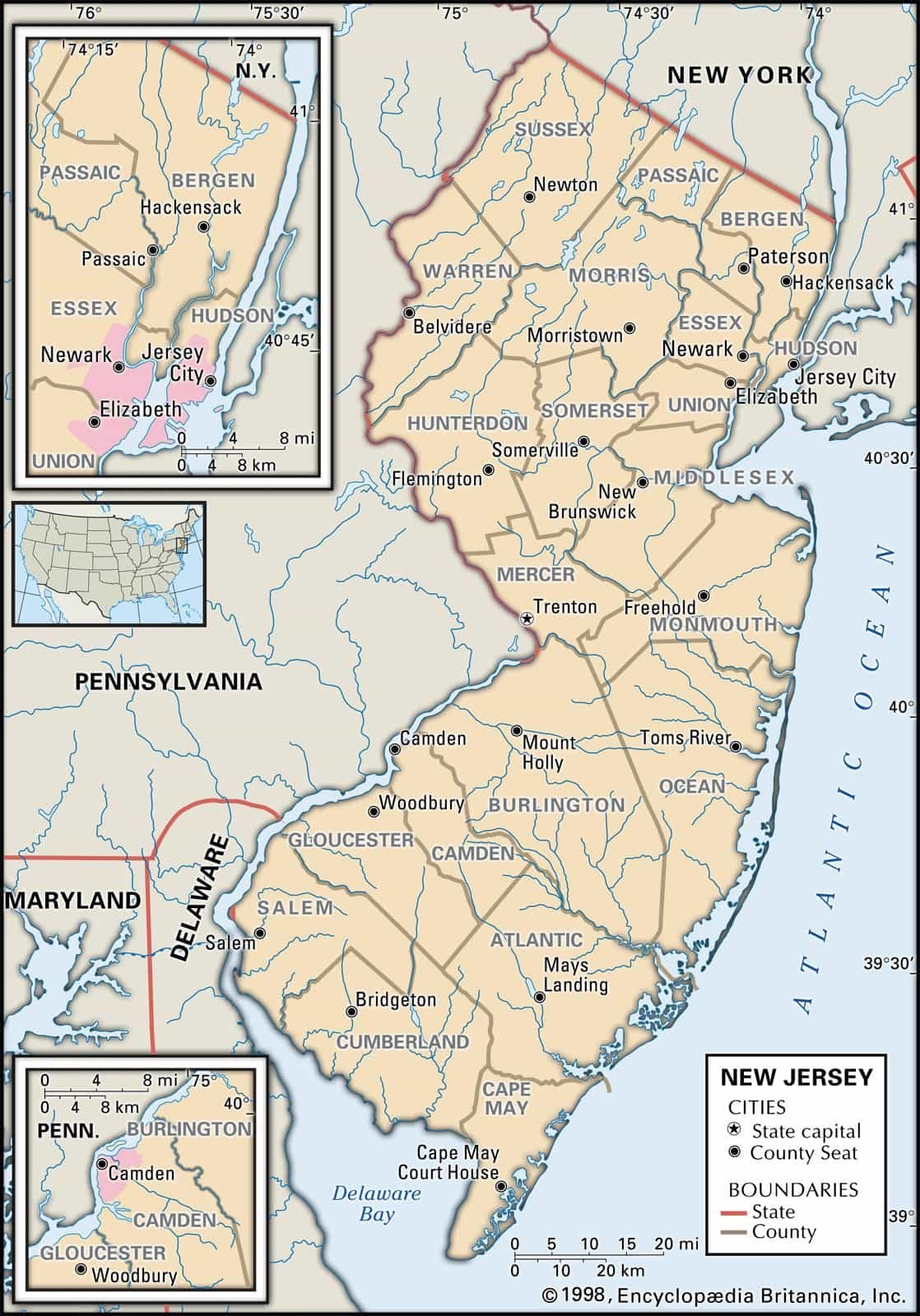
The primary administrative offices are headquartered at 225 West State Street in Trenton, New Jersey.
How do I check business availability or file annual reports?
Business owners can access filing tools, check corporate name availability, and submit annual documents through the NJ Business Action Center portal.


