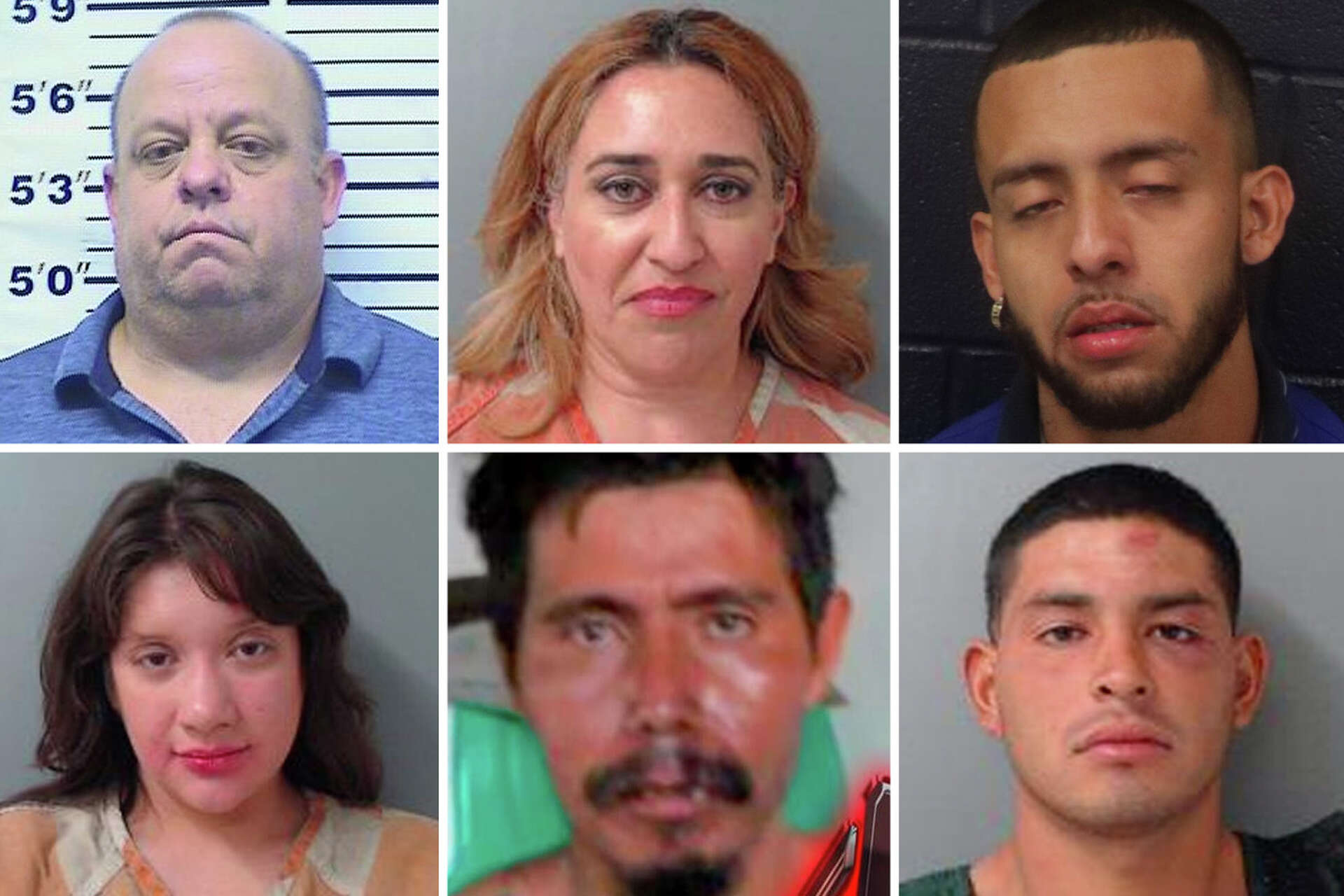
Navigating public records and booking photographs in New Jersey requires understanding a legal landscape that balances public oversight with strict state privacy guidelines. Unlike many jurisdictions where booking photos are broadly distributed online, New Jersey operates under specific statutory frameworks—including the Open Public Records Act (OPRA) and state Attorney General directives—that restrict how and when arrest imagery is shared.
If you're trying to locate official documentation or understand how arrest records work across the state's 21 counties, you need clear facts. Knowing where to look, what state law allows, and how to protect personal privacy prevents wasted effort and avoids exploitative third-party aggregator sites.
Understanding New Jersey Public Records Laws
Public access to government documents in New Jersey is governed primarily by OPRA (N.J.S.A. 47:1A-1 et seq.). This statute guarantees that citizens can inspect or obtain government records, but it comes with distinct boundaries regarding law enforcement materials.
Booking photographs and certain investigative files do not always fall under standard public disclosure. The state's legal framework prioritizes the presumption of innocence, meaning that police booking photos are handled differently than final court dispositions or criminal convictions. If you want more about the context here, Associated Press offers an informative summary.
The Role of OPRA in Law Enforcement Records
Under OPRA, you can request many types of police documents, such as incident reports and traffic collision logs. However, requests for specific multimedia or mugshots often face exemptions based on privacy rules, executive orders, and ongoing criminal investigations.
- Submit formal requests: To request records from state agencies like the New Jersey State Police, you must complete a written OPRA request form.
- Identify the correct custodian: Because New Jersey has a decentralized local government structure, requests for local arrest data usually go directly to municipal police departments or county sheriff offices rather than a centralized state database.
- Expect specific exemptions: Records involving juveniles, ongoing investigations, or items protected by specific privacy exemptions will be redacted or denied.
County-Level Access to Inmate Information
Because New Jersey lacks a single, universal state mugshot directory, searches usually happen at the county level. Each of the state's 21 counties manages its own jail facilities and sheriff's departments.
For example, searching for current inmate rosters in populous regions like Essex County or Ocean County involves visiting official county department of correction portals. These government-run databases typically display current inmate status, booking dates, and specific charges without requiring fees or commercial sign-ups.
Official Government Portals vs. Third-Party Sites
A major pitfall for researchers and individuals is running into commercial aggregator websites that scrape public databases. These third-party platforms often publish old booking photos and charge fees for removal.
- Prioritize official domains: Always look for
.govURLs maintained by county sheriffs or state departments. - Avoid pay-to-remove services: Reputable government agencies never charge fees to take down public records.
- Recognize data lag: Third-party databases rarely update when charges are dropped, whereas official court records reflect case outcomes accurately.
How to Clear or Expunge Arrest Records
If an arrest or charge did not result in a conviction, or if a specific amount of time has passed following a conviction, you may be eligible to clear your record through the New Jersey court system. Expungement removes qualifying arrests, charges, and convictions from public view, shielding them from background checks and public database searches.
Working through the expungement process involves filing petitions with the Superior Court of New Jersey. While you can navigate this process independently, many individuals consult legal aid organizations or defense attorneys to ensure every document is filed correctly according to current state statutes.
Frequently Asked Questions
Can anyone request a mugshot through an OPRA request in New Jersey?
No. State guidelines and privacy interpretations often exempt standard booking photographs from mandatory disclosure under OPRA to protect the privacy rights of unconvicted defendants.
Why do some commercial websites show New Jersey arrest photos if government sites don't?
Commercial mugshot publishing sites scrape data or rely on older historical records before modern restrictions took effect. They operate independently of state agencies, often using aggressive monetization tactics to charge subjects for record removal.
How do I check if someone is currently held in a New Jersey county jail?
You can search the online inmate lookup tool hosted by the specific county's Department of Corrections or Sheriff's Office where the arrest took place.
Are municipal police blotters open to the public?
Yes. Basic blotter information detailing daily police responses and arrest summaries is generally accessible, though specific personal identifiers for victims or minors are strictly redacted.


