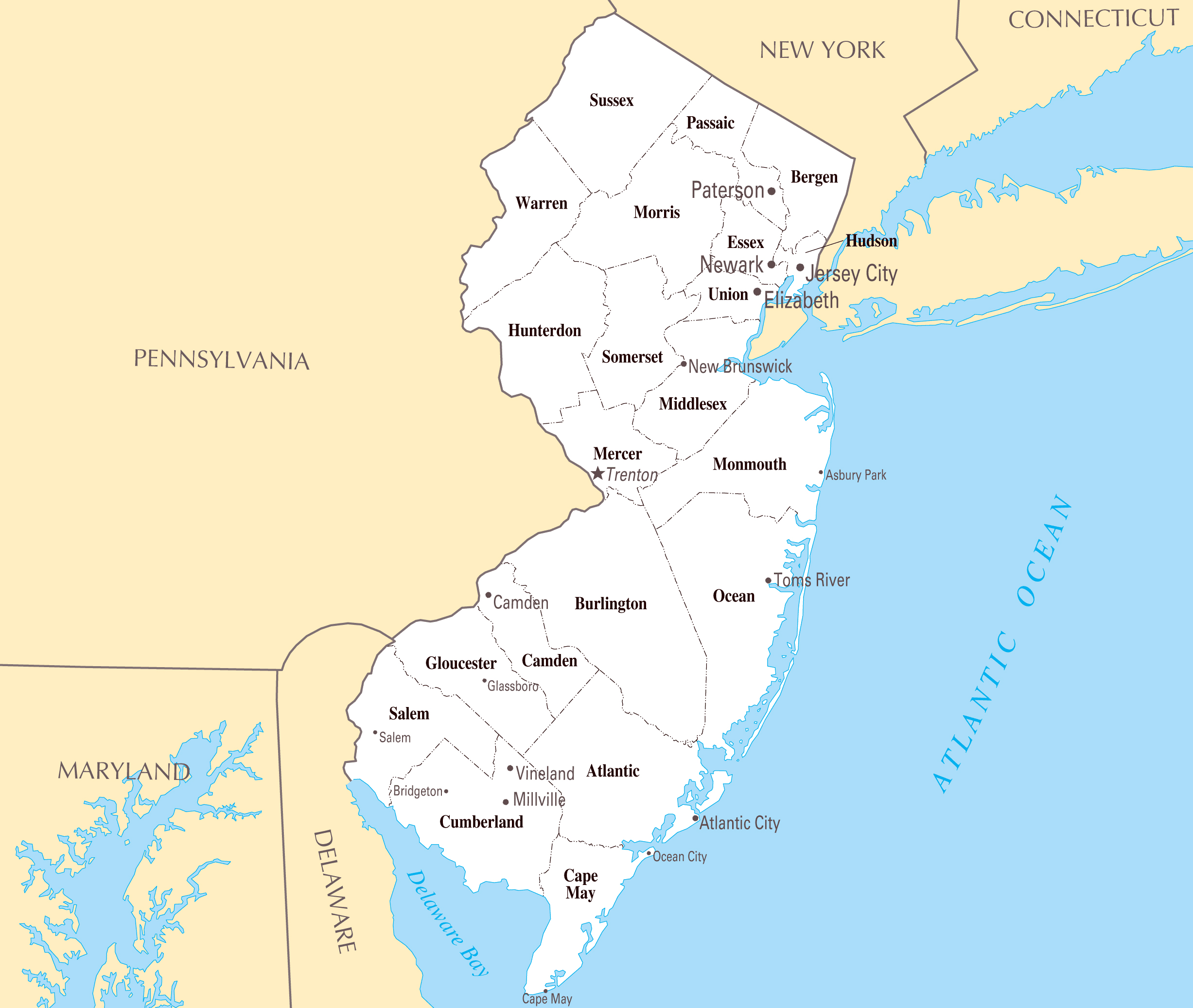
When you buy a car in New Jersey, understanding the state tax structure keeps you from getting surprised in the finance office. The standard state sales tax rate sits at 6.625%, which applies to most vehicle purchases across the state. New Jersey doesn't tack on municipal or county sales taxes for vehicles in the vast majority of towns, meaning you'll pay that exact same 6.625% whether you shop in Newark, Jersey City, or Trenton.
Figuring out what you actually owe requires looking past the sticker price. Dealership fees, trade-in values, and manufacturer incentives all shift the final baseline. This guide breaks down how the tax is calculated, what deductions you can claim, and how private party sales differ from dealership purchases.
The Standard Calculation: How NJ Tax Works
To find your vehicle sales tax, multiply the taxable purchase price by 0.06625. The state applies this tax to the actual purchase price or the vehicle's fair market value, whichever is higher. This prevents buyers from reporting artificially low sale prices on bills of sale to dodge taxes.
For example, if you buy a used car from a dealer for $20,000, the basic calculation looks like this:
$$20,000 \times 0.06625 = 1,325$$
Your state sales tax comes out to $1,325.
However, gross purchase prices rarely equal the final taxable amount. Dealership documentation fees, destination charges, and pre-delivery service fees are generally taxable. On the flip side, official state motor vehicle registration and title fees charged by the New Jersey Motor Vehicle Commission are excluded from the taxable base.
How Trade-Ins Lower Your Tax Bill
One of the most effective ways to lower your car tax burden in New Jersey is trading in an old vehicle. New Jersey law allows a trade-in tax credit, meaning the value of your trade-in is subtracted from the purchase price of the new car before the state calculates sales tax.
Imagine you're buying a $35,000 car and the dealer offers you $10,000 for your trade-in. Instead of paying tax on the full $35,000, you only pay tax on the difference:
- Gross Vehicle Price: $35,000
- Trade-In Allowance: -$10,000
- Taxable Subtotal: $25,000
- Sales Tax (6.625%): $1,656.25
Without the trade-in credit, you'd pay $2,318.75 in tax. That single trade-in saves you $662.50 directly on your tax bill.
The vehicle you trade in doesn't even need to be fully paid off, but negative equity works differently. If you owe more on your trade-in than it's worth, that negative equity gets rolled into the new loan balance, and you cannot use it to lower your taxable price.
Dealership Discounts Versus Manufacturer Rebates
The way a discount is applied changes how much tax you pay. Buyers often confuse dealer discounts with manufacturer rebates, but the New Jersey Division of Taxation treats them differently.
- Dealer Discounts: A direct price reduction negotiated with the dealer lowers the gross purchase price. Because the final sales price drops, you pay less sales tax.
- Manufacturer Rebates: Cash-back incentives or manufacturer rebates assigned to the down payment do not reduce the taxable price. If a manufacturer offers a $2,000 rebate, you still pay sales tax on the full pre-rebate sticker price.
Always check how price reductions are itemized on your buyer's order so you can anticipate the tax impact.
Buying a Car Out of State or Privately
Buying a vehicle outside of New Jersey introduces a few extra steps during registration.
If you purchase a car from a private seller in New Jersey, you won't pay sales tax at the exact moment of handover. Instead, you pay the 6.625% tax directly to the NJ MVC when you go to title and register the vehicle in your name. The MVC determines the taxable value using the purchase price on the signed title or a standard valuation guide if the listed price looks unusually low.
If you buy a car in a neighboring state and bring it back to New Jersey, you must still pay New Jersey's 6.625% sales tax upon registration. If you paid sales tax to another state at the time of purchase, New Jersey usually provides a credit for taxes already paid to prevent double taxation, provided you show proper proof of payment. If the other state's tax rate was lower than 6.625%, you'll owe New Jersey the difference.
Common Mistakes to Avoid
- Forgetting documentation fees: Dealership doc fees are taxable in New Jersey. Don't calculate your tax strictly off the negotiated vehicle price without factoring in dealer fees.
- Assuming private sales are tax-free: Some buyers think buying from a neighbor avoids taxes entirely. The MVC checks purchase prices against market value guides during registration, and sales tax is mandatory.
- Overlooking lease rules: If you lease a vehicle in New Jersey, sales tax is calculated differently depending on whether you use the total lease payment method or the original purchase price method. Make sure your leasing dealer clarifies how taxes are distributed across your monthly payments.
Frequently Asked Questions
Does New Jersey have any local car sales tax?
No. New Jersey maintains a uniform statewide sales tax rate of 6.625% for vehicle purchases. Local municipalities and counties do not add separate local sales taxes on cars.
Are electric vehicles exempt from sales tax in New Jersey?
New Jersey previously offered a statewide sales tax exemption for zero-emission electric vehicles, but that specific sales tax exemption expired. Standard vehicle sales tax rules now apply to EV purchases.
Do I pay sales tax on a car given as a gift?
If a vehicle is transferred strictly as a bona fide gift between eligible family members or individuals following specific state guidelines, it may qualify for a casual sale exemption from sales tax, provided proper MVC documentation is submitted.
What happens if I trade in two cars at the same time?
New Jersey allows a trade-in tax credit for multiple vehicles as long as they are part of the same overall purchase transaction at a registered dealership. Both trade-in values combine to reduce your taxable purchase price.



