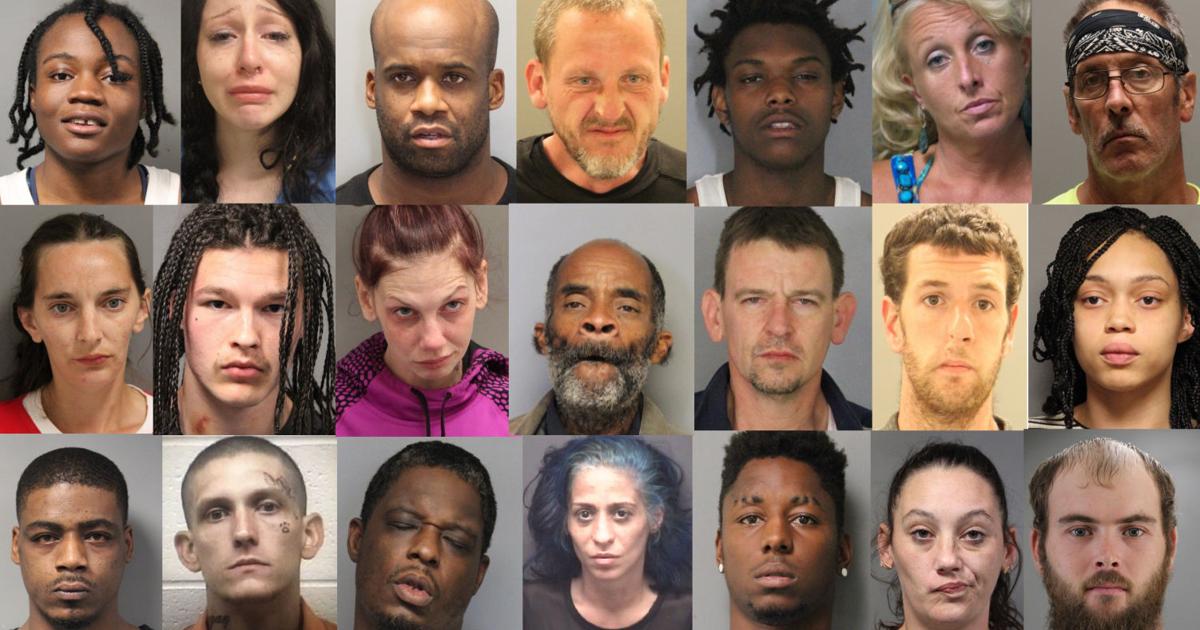
Accessing New Hanover County mugshots and understanding local arrest records involves navigating a specific set of procedures managed by county law enforcement agencies. When someone gets booked into the local detention facility, their booking photo and arrest details enter the public domain under North Carolina public records laws. Knowing how this system works helps residents, researchers, and individuals locate accurate information quickly.
The primary gateway for viewing current inmates and recent bookings is the New Hanover County Sheriff's Office portal. This official system provides direct access to active custody lists, daily arrest reports, and detention facility records, ensuring that the public can review up-to-date information without relying on third-party aggregators that often charge fees or display outdated content.
How the Booking and Mugshot Process Works
When law enforcement arrests an individual in Wilmington or surrounding areas within the county, deputies transport them to the New Hanover County Detention Facility for processing. The booking procedure follows a strict protocol designed to establish identity, secure personal property, and record legal charges.
During intake, staff capture fingerprints, record physical descriptions, and take the official booking photograph. This image serves as the recognized record for identification within the judicial system. Under North Carolina law, these booking photographs are generally classified as public records, meaning they are accessible to anyone requesting them through official channels or viewing them via authorized law enforcement databases.
Key Stages of Intake
- Identity Verification: Deputies check government-issued identification or use fingerprint scanners to confirm the individual's legal identity.
- Property Inventory: Personal belongings are cataloged, stored securely, and returned upon release.
- Photograph Capture: The booking camera captures a standardized facial photograph from the front and profile.
- Magistrate Review: A magistrate reviews the charges to determine bond amounts and release conditions.
Finding Current Inmates and Past Arrests
If you're trying to locate someone who was recently taken into custody, you don't need to guess which website to trust. The county provides official search tools that update continuously as individuals enter or leave the detention facility.
To check active custody status, visit the official sheriff's office inmate query page. You can search by entering the individual's first and last name or browsing the daily commitment logs. These logs typically show booking dates, specific criminal charges, bond types, and scheduled court appearances.
When searching official databases, keep these points in mind:
- Official records display only individuals currently in custody or recently processed through the local facility.
- Third-party mugshot websites often scrape these images and keep them online indefinitely, even if charges get dropped or expunged.
- Relying on official law enforcement portals protects you from inaccurate data and predatory removal fees charged by commercial operators.
Understanding Public Access and Privacy Rights
The tension between public transparency and personal privacy remains a central debate surrounding arrest records. Proponents argue that open access to criminal justice data maintains government accountability and keeps communities informed about local safety issues. Conversely, privacy advocates point out that published mugshots can damage reputations, affect employment prospects, and cause emotional distress—especially for individuals who are later found innocent or whose charges get dismissed.
North Carolina lawmakers and local agencies recognize these concerns. While booking photos remain public records by default, the state and local departments provide legal pathways for individuals to address erroneous records or seek expungement under specific statutory guidelines. If a court dismisses your charges or finds you not guilty, you can petition to have the arrest record and associated mugshot expunged from state databases.
Steps to Correct Errors or Request Record Updates
Mistakes happen in administrative data entry, and typographical errors in names or charges can cause confusion. If you spot an inaccuracy in an official New Hanover County record, you have the right to request a correction.
- Document the Error: Take note of the specific discrepancy, such as an incorrect middle initial, misspelled name, or wrong charge description.
- Contact the Agency: Reach out directly to the New Hanover County Sheriff's Office records division via phone or in-person inquiry.
- Submit Supporting Documentation: Provide official paperwork—such as court dispositions or identification documents—that proves the correct information.
- Follow Up: Ask the records clerk for an estimated timeframe for the internal correction to reflect in their database.
For third-party websites displaying old booking photos, you'll need to contact those specific site administrators directly, as county agencies don't control external commercial search engines.
Frequently Asked Questions
Are all mugshots in New Hanover County available to the public?
Yes, booking photos taken by the sheriff's office are generally considered public records under state law. However, juvenile records and certain sensitive case files remain sealed to protect minors and victims.
Why do mugshots stay online after charges are dropped?
Commercial third-party websites scrape public databases and archive the images independently. Because these sites operate outside government control, they often leave photos online to generate ad revenue or demand payment for removal.
How can I get my mugshot removed from third-party sites?
You must contact each website individually and submit their required removal request form. If your record has been expunged by a North Carolina court, many states now legally require commercial mugshot operators to remove the content upon receiving proof of expungement.
What is the difference between the jail inmate list and a criminal history check?
The jail inmate list only shows individuals currently housed in the local detention facility or processed within a short timeframe. A formal criminal history check, conducted through the North Carolina Department of Public Safety, provides a comprehensive statewide record of convictions and lifetime criminal history.



