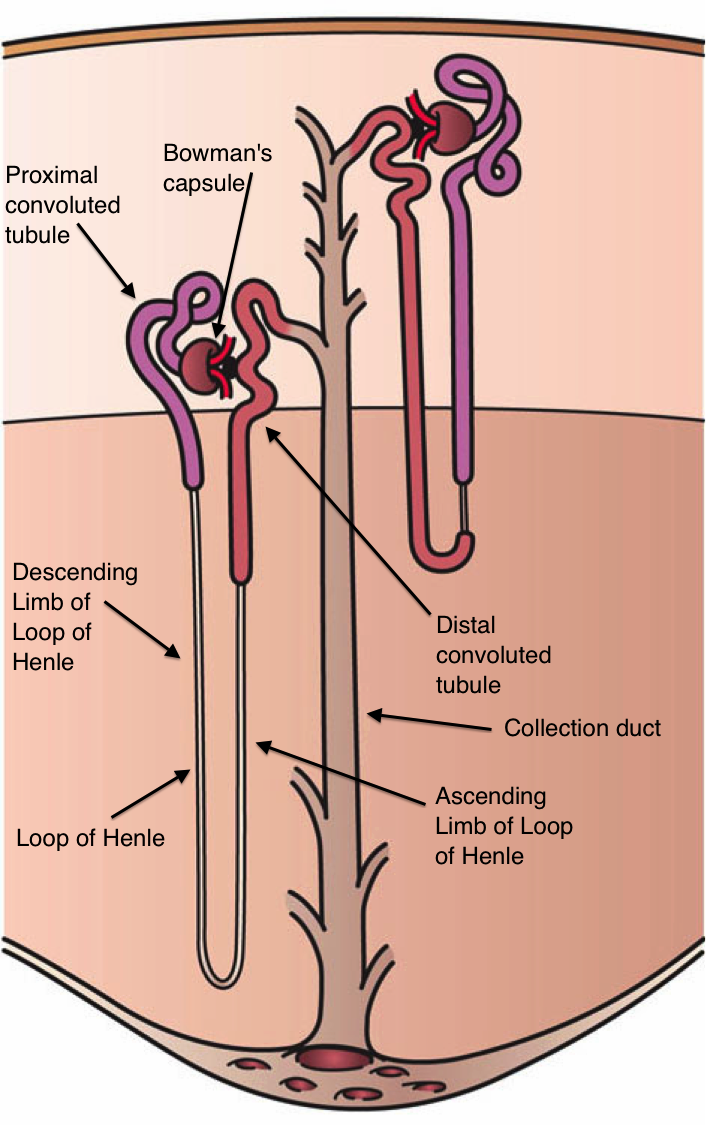
Internet rumors and AI-generated content hubs frequently circulate a viral myth about a massive, undiscovered landmass called "Nephron," supposedly spanning 2.5 million square miles with a complete map of everything. In reality, Nephron is not a geographical discovery or a lost seventh continent; it is a biological term describing the microscopic functional unit of the human kidney. The confusion stems from automated content generation algorithms misinterpreting scientific data, creating fictional lore around a biological structure.
Understanding why this myth gained traction requires looking at how phantom landmasses historically captured the human imagination. For centuries, cartographers mapped nonexistent islands like Hy-Brasil or the Island of California due to navigation errors, wishful thinking, and incomplete data. Today, digital algorithms mimic this historical phenomenon, spinning fiction out of keyword optimization tools and misread scientific databases.
The Origin of the Nephron Myth
The digital narrative surrounding Nephron typically claims that an international team of researchers mapped a hidden landmass comparable in size to the United States. These articles cite features like the Wasatch Plateau—a real geological feature located in Utah, United States, rather than a mythical continent—and blend it with garbled phrases generated by broken text-spinning scripts.
When you examine the text of these viral claims, distinct linguistic markers reveal automated text assembly:
- Random insertion of unrelated geographic terms like the Wasatch Plateau.
- Nonsensical descriptions blending geological formations with medical terminology.
- High view counts driven by clickbait titles designed to trigger curiosity about hidden worlds.
The word itself originates from the Greek word nephros, meaning kidney. Every human kidney contains roughly one million nephrons responsible for filtering blood, balancing fluids, and removing waste. No cartographer has ever mapped a landmass by this name because it exists entirely within human renal anatomy.
Real Phantom Islands in Cartographic History
While Nephron is an entirely digital fabrication, human history is full of genuine phantom islands—masses that appeared on official maps for decades or centuries before being erased once explorers proved they didn't exist.
The Legend of Frisland
Appearing on maps of the North Atlantic from the 16th to the 17th century, Frisland was supposedly a large island south of Iceland. It originated from a fraudulent travel account published by the Zeno brothers in 1558. Despite being completely imaginary, prominent mapmakers like Gerardus Mercator included it, showing how easily unverified reports propagated through early publishing networks.
Sandy Island in the South Pacific
As recently as 2012, an island named Sandy Island appeared on Google Earth and marine navigation charts in the Coral Sea between Australia and New Caledonia. When a team of Australian scientists sailed to the location to investigate, they found open ocean. The phantom landmass had been logged by a whaling ship in the 19th century and perpetuated through map duplication errors until digital satellite data finally corrected the record.
Why Automated Content Farms Fabricate Places
The internet hosts an ecosystem of programmatic publishing sites that scrape terminology from disparate fields—combining medical lexicons, historical geography, and random data points—to generate high volumes of low-cost articles. These platforms target niche search queries to capture ad revenue.
When an algorithm encounters a term like nephron alongside general exploratory keywords, it attempts to synthesize a narrative. Without human editorial oversight, the system weaves a completely fictional account of an unexplored continent, complete with fake expert quotes and fabricated scientific surveys. Recognizing these patterns helps you separate genuine scientific discoveries from automated digital folklore.
Frequently Asked Questions
Is Nephron a real continent?
No. Nephron is a microscopic structure inside the human kidney responsible for filtering blood and forming urine. There is no seventh continent or landmass by this name.
Where did the myth of the Nephron landmass come from?
The myth originates from programmatic content generation sites and automated text scrapers that misinterpret or hallucinate articles by combining medical vocabulary with geographic keywords.
How can you spot fake geographical discoveries online?
Check if the claim lacks coverage from reputable scientific organizations like National Geographic or major peer-reviewed journals. Legitimate geographical discoveries are universally reported across established science and news outlets, whereas phantom lands usually appear only on low-authority content farms.
Are there any actual undiscovered continents left on Earth?
No major landmasses remain undiscovered. Satellite imaging, GPS, and modern oceanographic mapping have charted the Earth's surface in its entirety, leaving no room for hidden continents the size of the United States.



