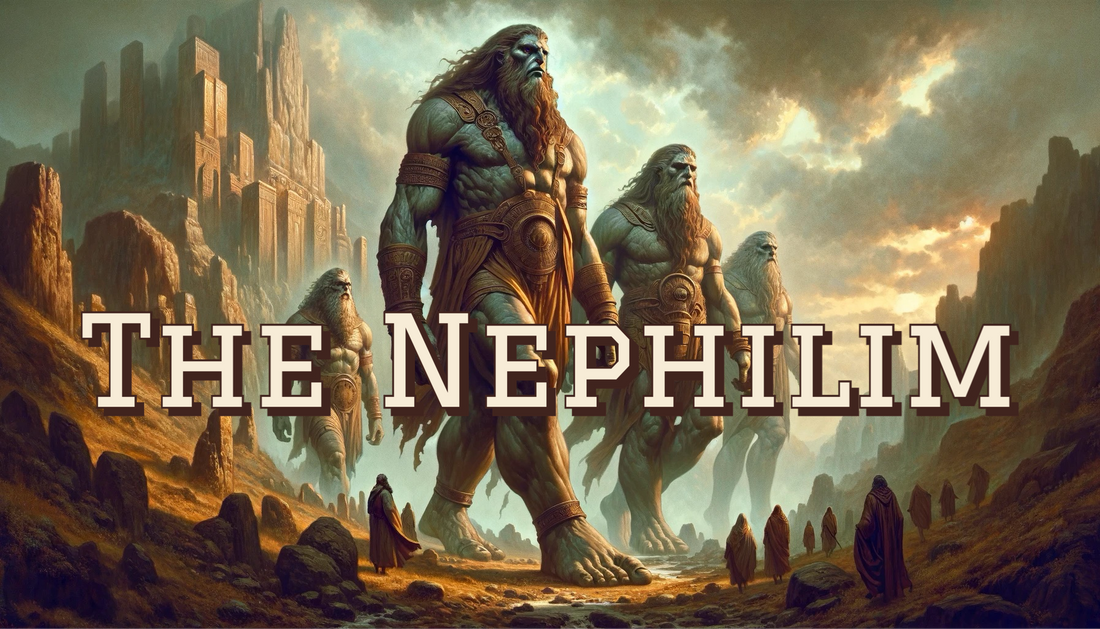
When people search for Nephilim powers and abilities, they usually hit a wall of modern fantasy tropes, tabletop roleplaying stats, and ancient texts. Mentioned briefly in biblical literature, these enigmatic figures occupy a strange space between canonical scripture and imaginative folklore. If you strip away the layers of pop-culture inflation found in video games and modern fiction, what do ancient texts actually say about their physical traits, origins, and capabilities?
The term "Nephilim" stems from Hebrew roots often translated as "fallen ones" or interpreted as legendary giants. According to historical and biblical texts like the Book of Genesis and the extra-canonical Book of Enoch, they weren't cosmic superheroes shooting energy beams. Instead, their defining traits were rooted in anomalous physical stature, raw martial dominance, and a disruptive cultural influence that reshaped the pre-flood ancient world.
Biblical Origins and the Meaning of the Nephilim
To understand what attributes are ascribed to the Nephilim, we first need to look at where they appear. The primary scriptural reference sits in Genesis 6:4, which notes that the Nephilim were on the earth in those days—and afterward—when the "sons of God" cohabited with the "daughters of men," bearing children who became the mighty heroes and warriors of old.
The exact nature of these beings sparks intense theological and historical debate: To understand the complete picture, we recommend the detailed analysis by The New York Times.
- The Fallen Angel View: Popularized by texts like the Book of Enoch, this interpretation posits that celestial watchers descended to earth, took human wives, and produced hybrid offspring endowed with extraordinary physical and psychological traits.
- The Sethite View: Conservative theological frameworks argue that the "sons of God" refer to the righteous lineage of Seth mixing with the ungodly lineage of Cain, producing dominant, aggressive warlords rather than supernatural hybrids.
- The Linguistic Root: The Hebrew word nefilim derives from naphal (to fall), leading many scholars to define them simply as tyrants, bullies, or fierce conquerors who brought violence to the ancient world.
Actual Physical and Martial Traits Described in Lore
In ancient accounts, any perceived "powers" of the Nephilim were physical, psychological, and societal rather than magical. They were characterized by extreme dominance over their contemporaries.
Extreme Stature and Physical Might
The most consistent attribute across ancient traditions is sheer size. While modern fiction turns them into towering monsters, historical texts describe them as giants or individuals of imposing physical presence. This physical superiority made them natural leaders, kings, and apex warriors in a primitive era.
Mastery of Early Metallurgy and Warfare
According to expanded pseudepigraphal texts like the Book of Enoch, the hybrid offspring didn't just fight; they accelerated human civilization dangerously fast. Lore suggests they introduced humanity to specialized weaponry, armor, metallurgy, and the art of combat. In these texts, they taught mankind how to forge iron and shape instruments of war, shifting prehistoric society from pastoral survival into aggressive empire-building.
Charisma and Intellectual Dominance
Beyond raw muscle, the Nephilim were noted for possessing sharp intellects and an overpowering personal magnetism. They didn't just rule by force; they commanded absolute compliance, setting themselves up as figures of awe and terror. Their psychological footprint was one of unmatched ambition, leading to widespread societal corruption and a culture completely fixated on dominance.
How Modern Pop Culture Invented Nephilim "Superpowers"
If historical and biblical texts limit their attributes to physical size, leadership, and martial prowess, where do modern concepts of pyrokinesis, angelic wings, and shape-shifting come from?
Modern entertainment completely overhauled the concept. Franchises like Darksiders, tabletop RPG supplements, and supernatural television shows adapted the Nephilim into balanced hybrids capable of channeling both celestial radiance and infernal fury.
Writers found a blank canvas in the brevity of biblical verses. Because scripture leaves their exact capabilities vague beyond calling them "mighty men of old", creators filled the void with fantasy elements. Real historical inquiry shows no evidence that ancient peoples believed these figures could manipulate holy fire, summon weapons from thin air, or teleport across dimensions.
Frequently Asked Questions
What does the word Nephilim actually mean?
The word translates directly from Hebrew as "fallen ones", derived from the verb meaning to fall or to cast down. In practical ancient contexts, it also carried connotations of tyrants or bullies.
Are the Nephilim considered human or supernatural?
It depends entirely on the source text. Canonical scripture treats them as historical figures or powerful ancient warriors, while apocalyptic literature like the Book of Enoch describes them as divine-human hybrid offspring.
Did the Nephilim survive the biblical flood?
According to standard biblical chronology, the physical race of Nephilim was wiped out by the global deluge. Later biblical references to giants like the Anakim or Goliath are interpreted either as genetic throwbacks, separate indigenous tribes, or linguistic descendants of the concept.
Do any historical texts outside the Bible mention them?
Yes. Extra-biblical texts from the Second Temple period, most notably the Dead Sea Scrolls and the Book of Enoch, provide extensive narratives regarding their origin, diet, and destruction.



