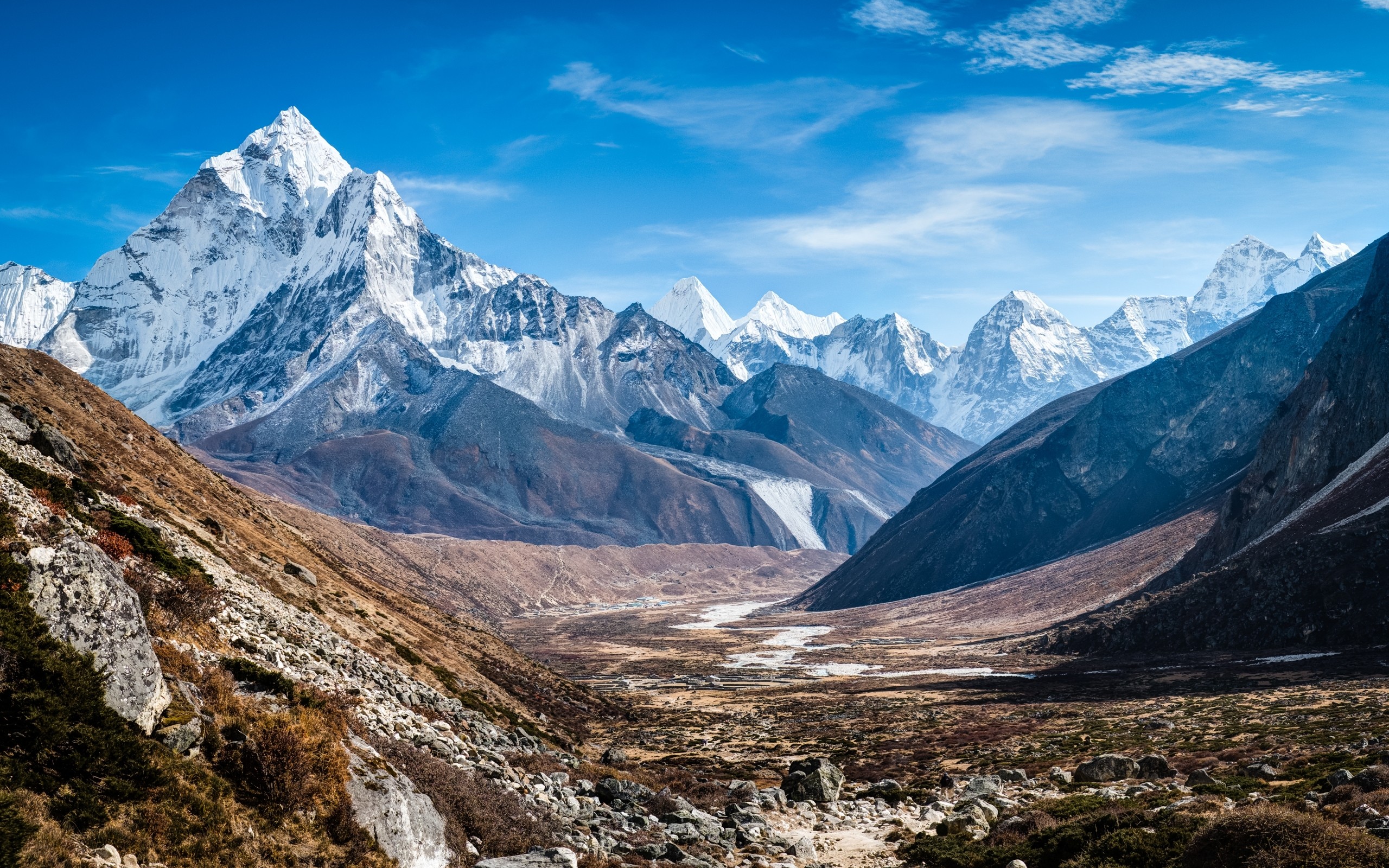
Choosing between Nepal and Hong Kong means deciding between high-altitude Himalayan summits and a high-octane vertical metropolis. Nepal draws mountaineers, spiritual seekers, and budget backpackers looking for rugged trekking routes and ancient temples. Hong Kong attracts urban explorers, food enthusiasts, and luxury travelers wanting neon-lit skylines, world-class transit, and Cantonese dim sum.
These two destinations share very little beyond being located in Asia. Nepal spans vast mountainous terrain with rustic infrastructure and deep cultural traditions rooted in Hinduism and Buddhism. Hong Kong covers a compact, highly developed Special Administrative Region defined by futuristic skyscrapers, efficient MTR networks, and a fast-paced capitalist economy.
Geography and Infrastructure
Nepal's landscape is dominated by the Himalayas, featuring eight of the world's ten tallest peaks, including Mount Everest. Traveling across the country means navigating winding mountain roads, domestic prop flights to remote airstrips like Lukla, or long-distance buses. Infrastructure outside the Kathmandu Valley and Pokhara is rugged, and unexpected weather delays are common.
Hong Kong operates on hyper-efficiency. Built across a series of islands and the Kowloon Peninsula, it squeezes millions of residents into one of the densest areas on earth. You won't need rugged boots or physical endurance to get around. The MTR Corporation rapid transit system, iconic double-decker trams, and Star Ferries make navigation seamless.
- Nepal transport: Primarily long-distance buses, private jeeps, domestic flights, and walking trails.
- Hong Kong transport: Comprehensive metro lines, Octopus card payment integration, public buses, and iconic harbor ferries.
- Terrain contrast: Rugged mountain trekking paths versus paved urban walkways, escalators, and skyscrapers.
Budget and Cost of Living
Your wallet will experience these two destinations very differently. Nepal is exceptionally budget-friendly. Independent travelers can easily manage on modest daily expenditures by staying in local teahouses, eating staple meals, and utilizing public transit.
Hong Kong ranks among the most expensive cities globally. Accommodation in central districts like Central or Tsim Sha Tsui commands steep nightly rates, and dining at upscale establishments adds up quickly. However, budget travelers can survive on affordable local cha chaan teng meals and cheap public transit if they avoid luxury splurges.
- Daily budget in Nepal: Expect to spend $25 to $50 USD per day for comfortable teahouse trekking and local meals.
- Daily budget in Hong Kong: Expect to spend $100 to $250+ USD per day for standard hotels, dining, and attraction tickets.
Culinary Landscapes
Food serves as a major highlight for both locations, though the styles diverge completely. Nepali cuisine focuses on wholesome, warming ingredients designed for mountain climates. The national dish, dal bhat, consists of lentils, rice, vegetable curry, and sometimes meat, providing heavy caloric fuel for hikers.
Hong Kong is a global culinary capital renowned for Cantonese cooking. Dim sum served from rolling carts, roasted meats glazed in sweet sauces, and egg tarts define the local palate. International dining is also ubiquitous, ranging from high-end fusion restaurants to authentic street-style diners.
- Must-try in Nepal: Dal bhat, fresh momos with spicy tomato achar, and traditional gorkhali lamb.
- Must-try in Hong Kong: Steamed shrimp dumplings (har gow), roast goose with plum sauce, and freshly baked egg tarts.
Culture, Heritage, and Vibe
Nepal's culture is deeply spiritual and tied to ancient traditions. Kathmandu, Patan, and Bhaktapur feature medieval squares, shrines, and sacred sites where daily rituals have continued for centuries. Festivals like Dashain and Tihar fill the streets with color and community gatherings.
Hong Kong blends British colonial history with vibrant Chinese heritage. Neon signs glow over bustling night markets like Temple Street, while tranquil spots like the Chi Lin Nunnery provide peaceful retreats. The cultural energy here is modern, fast-moving, and cosmopolitan.
Common Mistakes to Avoid
Travelers frequently misjudge the logistical realities of both places. In Nepal, failing to allow buffer days for domestic flight cancellations can ruin an entire itinerary. In Hong Kong, underestimating accommodation size and booking rooms too far from transit lines leads to unnecessary transit friction.
- Nepal mistake: Packing heavy urban luggage instead of durable, lightweight gear suitable for rustic teahouses.
- Hong Kong mistake: Relying solely on taxis instead of picking up an Octopus card for rapid MTR transit.
Frequently Asked Questions
Which destination is better for families with young children?
Hong Kong wins easily for families due to attractions like Hong Kong Disneyland, Ocean Park, and highly accessible public infrastructure that handles strollers with ease.
How many days should I allocate for each trip?
Plan at least 12 to 16 days for Nepal to account for acclimatization and trekking routes. For Hong Kong, 4 to 6 days provides enough time to cover urban highlights and outlying islands.
When is the best time of year to visit?
Nepal peaks during the autumn dry season from September to November and the spring window from March to May. Hong Kong shines from October to December when humidity drops and temperatures remain mild.
Is English widely spoken in both places?
English is spoken widely in Hong Kong across business, hospitality, and transit systems. In Nepal, English is common in tourist hubs like Thamel and along major trekking routes, but less prevalent in remote villages.


