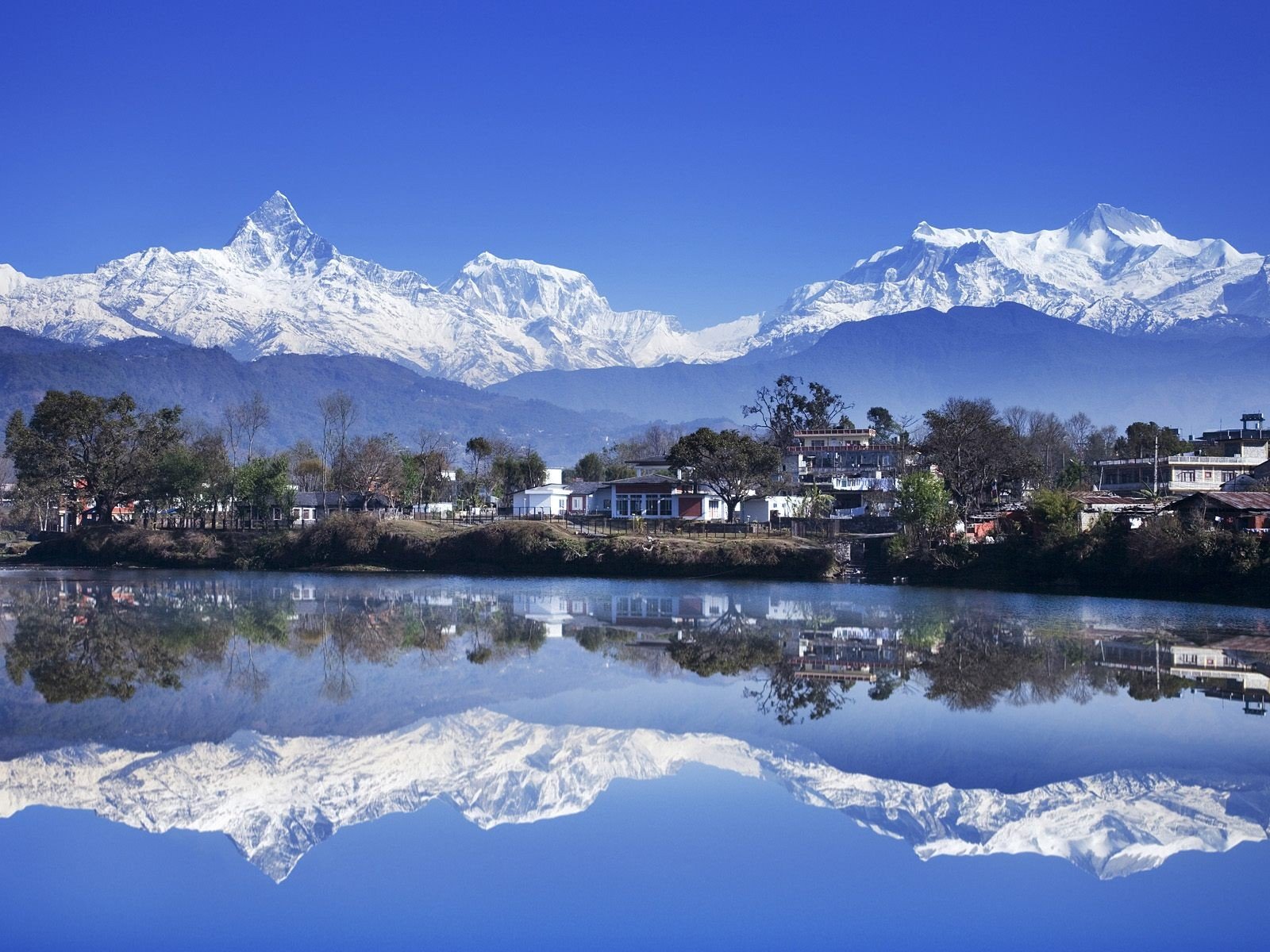
Planning a journey to South Asia during the first month of the year offers a distinct experience compared to the crowded peak seasons. While spring and autumn attract massive crowds, traveling to Nepal in January brings crisp blue skies, snow-dusted Himalayan vistas, and remarkably quiet trails. However, winter conditions vary drastically depending on where you go. The lowlands and national parks remain pleasantly mild, while high-altitude mountain passes experience sub-zero temperatures.
Understanding regional weather patterns is essential for an enjoyable trip. Kathmandu and the Terai plains feature cool days with daytime temperatures averaging around 18°C to 20°C, though mornings and evenings turn chilly. Meanwhile, higher mountain zones like Everest Base Camp or Annapurna elevations frequently drop well below freezing overnight. If you pack the right thermal layers and keep your itinerary flexible, January rewards you with pristine landscapes, unobstructed mountain views, and quiet wildlife viewing.
Weather Realities Across Nepal in January
Winter weather in Nepal is characterized by regional extremes. Low-altitude valleys and protected flatlands experience dry, stable weather, but mornings often bring heavy valley fog that takes a few hours to clear.
In the capital city of Kathmandu, daytime temperatures hover around a comfortable 15°C to 18°C under bright sun, but drop sharply to 2°C or 5°C once the sun sets. Moving south to the tropical Terai region, including national parks, daytime conditions feel warm and pleasant for outdoor exploration.
High-altitude trekking regions tell a different story. Above 3,000 meters, day temperatures might reach 5°C to 10°C in direct sunlight, but nights plunge into severe frost, often reaching -10°C to -20°C near base camps. Precipitation is rare in the high mountains, meaning you get some of the clearest, dust-free panoramic views of the year, provided you are equipped for biting winds and icy paths.
Wildlife Safaris in Chitwan and Bardia National Parks
January is an exceptional month for wildlife enthusiasts visiting Nepal's southern lowlands. Parks like Chitwan National Park and Bardia National Park experience cooler, dry weather that makes jungle safaris much more comfortable than the sweltering heat of the pre-monsoon months.
Early morning fog usually blankets the grasslands and riverbanks, creating an atmospheric backdrop for jeep safaris and elephant-free jungle walks. As the midday sun burns off the mist, visibility improves significantly.
- Greater One-Horned Rhinoceros: Spotting rhinos is common in Chitwan during January, as they frequently graze near the water sources or in tall elephant grass.
- Bengal Tigers: Cooler temperatures prompt tigers to move around more actively during daylight hours, increasing your chances of an opportunistic sighting along jungle trails.
- Bird Watching: Migratory birds arrive from Siberia and Central Asia in winter, swelling local bird populations and turning wetlands into a haven for ornithologists.
Jeep safaris require layered clothing because open-top vehicles get very cold during early morning departures. Booking accommodations near park buffer zones ensures you're ready for sunrise excursions.
Lower Elevation Treks and Winter Hiking
High-altitude mountain passes can be blocked by heavy winter snow, making technical high passes hazardous or impassable. Fortunately, Nepal offers fantastic lower-elevation alternatives that remain accessible and rewarding throughout January.
Shorter routes below 4,000 meters deliver magnificent mountain panoramas without extreme alpine dangers. For example, the Ghorepani Poon Hill trek provides stunning sunrise views over the Annapurna range while keeping you at manageable elevations where teahouses remain fully operational.
- Poon Hill Route: A manageable multi-day hike featuring rhododendron forests, Gurung culture, and clear morning vistas.
- Lower Langtang Valley: Accessible from Kathmandu, offering dramatic valley walls, local cheese factories, and rich Tamang heritage.
- Nagarkot and Dhulikhel Day Hikes: Ideal for travelers with limited time who want Himalayan sunrise views without multi-day commitments.
Teahouses along these lower routes stay open, offering cozy dining room stoves and warm hospitality, though rooms lack central heating. Carrying a sleeping bag rated for sub-zero temperatures guarantees a comfortable night's rest.
Essential Packing and Gear Strategy
Packing for a winter trip to Nepal requires a modular approach because you will experience tropical heat in the south and freezing alpine conditions in the north.
- Layering System: Bring moisture-wicking base layers, an insulating fleece mid-layer, and a high-quality down jacket for cold evenings.
- Footwear: Sturdy, waterproof trekking boots with good tread are vital for navigating icy patches on shaded trails. Microspikes or lightweight traction devices provide extra security.
- Sun Protection: High-altitude UV rays are intense, and snow glare multiplies sunlight exposure. Pack polarized sunglasses, high-SPF sunscreen, and lip balm.
- Hydration Management: Bring an insulated water bottle to prevent your drinking water from freezing during cold nights at elevation.
Frequently Asked Questions
Can I trek to Everest Base Camp in January?
Yes, the trek to Everest Base Camp is possible and offers unmatched solitude and crystal-clear skies. However, it is recommended only for experienced hikers comfortable with extreme cold, sub-zero nights, and potential flight delays to Lukla caused by winter fog.
Are national parks crowded during this month?
Domestic tourism peaks around public holidays, but international visitor numbers drop significantly compared to autumn. Wildlife parks like Chitwan offer a peaceful safari experience with fewer tourists crowding the viewing towers.
Do teahouses close down in winter?
Along popular lower-elevation routes, teahouses remain open. In higher remote areas like the upper Everest or Annapurna circuit trails, some seasonal lodges close, but enough accommodations stay open to service winter travelers.
What are the main transport risks in January?
Morning fog in Kathmandu and mountain airstrips like Lukla can cause domestic flight delays. Building a couple of buffer days into your itinerary ensures that weather disruptions won't derail your international connections.


